
How to Visit Vancouver in One Long Day Without Overloading the Schedule
A day trip from Seattle to Vancouver, British Columbia—not Vancouver, Washington—is possible, but it is a long international travel day rather than a quick…
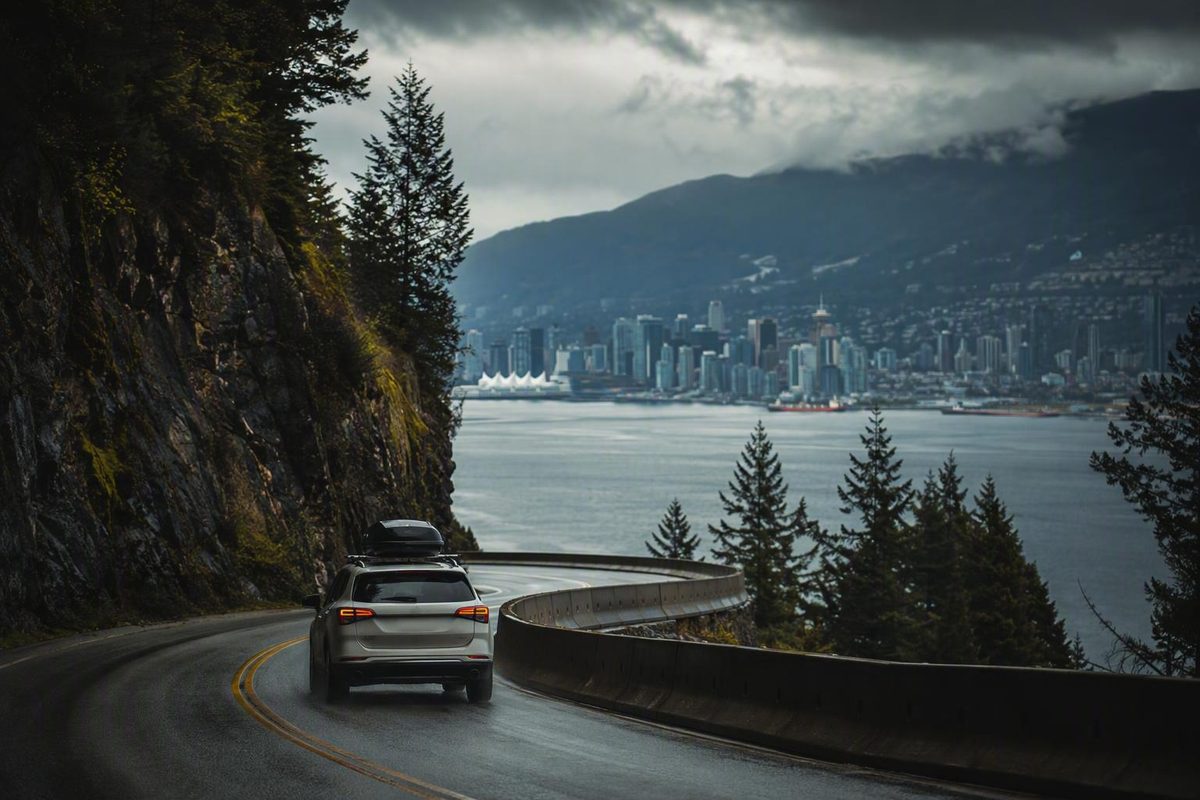
A day trip from Seattle to Vancouver, British Columbia—not Vancouver, Washington—is possible, but it is a long international travel day rather than a quick excursion.
Plan on roughly six to eight or more hours of round-trip ground transportation before adding parking, meals, local travel, and sightseeing. A direct drive is reported at about 142 miles and under three hours in favorable conditions, excluding the border crossing, but a practical itinerary should allow approximately three to four hours or more in each direction (Seattle-to-Vancouver driving context).
This article is a planning framework, not a source of live border rules, schedules, fares, or attraction hours. Verify all dynamic information with the relevant government agency, transportation operator, rental company, or attraction shortly before travel.
The central rule is simple: protect the trip home. If delays accumulate, cut sightseeing instead of extending your turnaround time. If that sounds too restrictive, stay overnight.
Is Vancouver Really Practical as a Day Trip From Seattle?
Yes—but only if your definition of a successful visit is seeing a focused sample of Vancouver.
A favorable drive may take approximately 2.5 to three hours each way before substantial traffic or border delays. For actual planning, approximately three to four hours or more per direction is more realistic. Four separate pressure points can affect the day:
- Leaving the Seattle area
- Entering Canada
- Moving through Vancouver
- Re-entering the United States
A smooth outbound journey does not guarantee an equally smooth return.
Use scenarios rather than building the trip around one promised travel time:
| Scenario | Illustrative round-trip transit | Planning implication |
|---|---|---|
| Smooth day | About 6 hours | An early departure, manageable traffic, short processing times, and no major interruption leave the most sightseeing time |
| Practical planning case | 7–8 hours | Moderate congestion, ordinary breaks, and some waiting reduce the usable day |
| Delay-heavy day | More than 8 hours | Traffic or border queues materially shorten sightseeing and may produce a late return |
These are planning models, not forecasts. Even if the direct drive looks short on a map, a same-day itinerary must absorb border processing, rest stops, parking, walking, meals, and the return journey.
A satisfying day normally means choosing two or three compatible areas. Stanley Park, the central waterfront, and nearby Gastown can work together. Trying to add North Vancouver, several museums, multiple shopping districts, a long dinner, and extensive park time turns the day into a race.
An overnight is usually the better choice if you:
- Cannot leave Seattle early
- Want an unhurried visit
- Are traveling with young children
- Need additional time for mobility or accessibility
- Want to explore several widely separated areas
- Do not want to return after a long day
- Would face serious consequences from an unexpectedly late arrival in Seattle
Driving, Bus, Train, Flight, or Guided Tour: Which Works Best?
No transportation option makes this a short day. The best choice depends on whether you value schedule control, freedom from driving, a central arrival, or having the basic logistics arranged for you.
In the table below, flexibility means the ability to choose your departure time, change the order of stops, and begin the return early.
| Option | Approximate one-way travel time | Flexibility | Arrival context | Parking responsibility | Main schedule risk | Same-day usefulness |
|---|---|---|---|---|---|---|
| Self-driving | Favorable estimate: 2.5–3 hours; practical allowance: 3–4+ hours | High | Wherever you decide to park | Traveler | Traffic, border queues, navigation, and a demanding evening return | Usually the most adaptable |
| Guided coach tour | Part of an advertised 10–12-hour outing (tour listing) | Low | Predetermined stops | Operator handles tour-vehicle parking | Border delays, group pace, and itinerary changes | Useful when convenience matters most |
| Intercity bus | Fastest listed example: 3 hours 15 minutes; average near 4 hours (dynamic bus listings) | Low | Verify the terminal for your service | None | Fixed departure, road traffic, and border delays | Possible with a favorable timetable |
| Amtrak Cascades | About 4 hours in a report dated August 2025 (dated transportation comparison) | Low | Verify the current station and onward transfer | None | Limited departure choices and missed-return consequences | Comfortable but schedule-dependent |
| Conventional flight | About 1 hour in the air in the same dated comparison | Moderate | Vancouver International Airport, followed by a surface transfer | None unless renting a car | Airport access, check-in, processing, waiting, and transfers | Air time alone does not show door-to-door usefulness |
| Seaplane | Verify current service directly | Moderate | Waterfront-oriented service when operating | None | Weather, availability, check-in rules, and baggage limits | Potentially convenient, but requires current research |
Self-driving
Driving provides the most control. You can leave before scheduled public transportation, change the stop order, skip an attraction when the day runs late, and begin the return whenever necessary.
The tradeoff is responsibility. The driver must select a crossing, navigate Vancouver, arrange parking, verify vehicle insurance, and remain prepared for several more hours on the road after sightseeing. Rental-car travelers also need to confirm that their agreement permits cross-border travel.
Self-driving is most useful for travelers willing to make firm decisions during the day. Its flexibility is lost if every planned stop is treated as mandatory.
Intercity bus
A bus removes the work of driving and parking, but it remains subject to road traffic and border processing.
Wanderu’s changing listings showed a fastest trip of 3 hours 15 minutes and an average of approximately 3 hours 58 minutes. These are shopping examples rather than promises for another date. Check the actual carrier, departure point, arrival point, border process, and timetable before booking.
The decisive question is not simply how long the bus takes. Ask whether the earliest practical outbound departure and latest acceptable return leave enough usable time in Vancouver after accounting for:
- Travel to the Seattle departure point
- Required pre-departure time
- Travel from the Vancouver terminal to the first attraction
- A buffer before the return departure
A missed return bus can become an overnight problem. Read the carrier’s rebooking and missed-departure terms instead of assuming a later service will have space.
Amtrak Cascades
Train travel removes Vancouver parking and can be more restful than driving. The larger constraint is often the timetable.
A comparison published in August 2025 reported an approximately four-hour Amtrak Cascades journey, two daily departures in each direction, and one-way fares of $59 to $84. Those figures are dated and should not be treated as the schedule or price for your trip.
If approximately eight hours are committed to the round trip, departure times determine whether the train creates a worthwhile visit. Verify the current station, check-in expectations, timetable, fare conditions, and what happens if disruption affects the return.
Conventional flight and seaplane
A scheduled one-hour flight is not a one-hour journey. A door-to-door comparison must include transportation to Sea-Tac, check-in, security and border procedures, waiting time, the flight, arrival processing, and transportation from Vancouver International Airport to the city. The sequence repeats on the return.
A seaplane is operationally different because the described service is oriented toward waterfront locations closer to the two city centers. That may reduce surface transfers, but current routes, schedules, fares, baggage rules, check-in requirements, and weather policies require direct verification. Do not infer present service from an older article.
Ferry
The available route descriptions do not identify a practical direct Seattle-to-Vancouver ferry. The water-based alternative goes through Victoria, requires transfers between departure points, continues by another ferry to the mainland, and then requires onward transportation to Vancouver.
That can suit a multi-stop regional trip. It is not an efficient shortcut for a destination-first Vancouver day trip.
Guided tour
A guided tour is the simplest option for someone who does not want to drive, select a crossing, navigate Vancouver, or find parking. The operator handles transportation and establishes the basic sightseeing sequence.
In return, you surrender control. The group determines the pace, the stop order may change, and advertised attractions can be shortened, replaced, or omitted. You must also reach the Seattle pickup point and accept that border or traffic delays can affect the return.
The Direct Driving Route and How to Approach the Border
For Vancouver proper, the standard direct corridor is:
- Take Interstate 5 north from Seattle.
- Continue to Blaine, the final U.S. city on this corridor.
- Use an appropriate open Blaine-area crossing.
- Continue toward Vancouver on British Columbia Highway 99.
The direct road distance is reported at approximately 142 miles, but that figure does not establish how long the journey will take on a particular day (distance and direct-drive estimate).
The two principal Blaine-area options described in the route evidence are Peace Arch and Pacific Highway. Pacific Highway is available to passenger vehicles even though travelers sometimes informally associate it with truck traffic. Neither crossing should be assumed to be faster at all times.
Check current information from the agencies operating the crossings before leaving Seattle and again as you approach Blaine. Electronic signs along I-5 may display waits, but lane status and official current information should guide the decision. Do not enter a restricted lane unless every traveler and the vehicle are eligible for it.
State Route 9 and the Sumas area are generally less direct when the destination is Vancouver proper. They may make sense for another regional destination or an unusual disruption, but they are not the default route for central Vancouver. Traveler route discussions consistently describe I-5 to Blaine and Highway 99 as the simpler central-Vancouver approach while emphasizing that conditions can alter the best choice (route and crossing discussion).
Chuckanut Drive is a scenic deviation, not a time-saving route. The same scheduling problem applies to adding Edmonds, Camano Island, the San Juan Islands, Lummi Island, or a long collection of Skagit Valley and Bellingham stops.
Those places may be worthwhile destinations, but they conflict with a Vancouver-first same-day itinerary. If coastal roads, islands, small towns, or multiple food stops are important to you, convert the journey into an overnight road trip. On a day trip, the outbound drive is transportation rather than the main attraction.
Border, Rental-Car, and Day-of-Travel Checklist
This guide cannot provide a universal document list. Before booking, consult the current Canadian government guidance applicable to your entry into Canada and the current U.S. government guidance applicable to your return. Requirements and admissibility questions must be resolved through the relevant authorities, not through a general itinerary article or travel forum.
Do this before paying for nonrefundable transportation, a guided tour, or a timed attraction. If you are uncertain about your circumstances, obtain an answer from the responsible government agency or an appropriately qualified professional.
Adults traveling with minors should separately find and review current official guidance for their circumstances. Do not assume the same documentation applies when a child travels with both parents, one parent, another relative, or a non-relative.
For a rental car, ask the rental company two direct questions:
- Does this specific agreement permit the vehicle to enter Canada?
- What paperwork must be carried in the vehicle?
Also ask what insurance applies while the vehicle is in Canada. Owners of personal vehicles should confirm applicable coverage directly with their insurer. Do not assume a personal policy, credit-card benefit, or rental package provides everything required.
One Vancouver day-tour marketplace listing states that a traveler denied entry may have to arrange alternative transportation, illustrating why the operator’s current terms must be read before booking (tour conditions).
Do not select a NEXUS or other restricted lane based on assumptions about a trusted-traveler membership. Verify the current lane rules, eligible documents, vehicle requirements, and eligibility of every occupant with the agencies operating the crossing.
Use this checklist during the week before travel, then repeat the dynamic checks close to departure:
- Entry and return requirements: Checked for every traveler and travel mode
- Admissibility: Any personal uncertainty resolved before booking
- Travel with minors: Current official guidance reviewed when relevant
- Rental authorization: Cross-border permission confirmed, preferably in writing
- Vehicle paperwork: Required documents identified and packed
- Insurance: Canadian coverage confirmed with the insurer or rental provider
- Crossing status: Current lanes, restrictions, and waits reviewed
- Weather: Checked for Seattle, Vancouver, and the full corridor
- Transportation: Bus, train, flight, seaplane, or tour reconfirmed
- Reservations: Arrival windows and late-arrival terms reviewed
- Parking and access: Current arrangements checked for intended areas
- Mobile service: Canadian roaming or another connectivity plan arranged
- Offline navigation: Maps and essential addresses downloaded
- Return plan: Firm turnaround time understood by the entire group
Border procedures, lane status, schedules, prices, parking, and attraction availability are dynamic. Recheck them close to departure rather than relying on a saved itinerary.
A Realistic Self-Drive Timeline With a Firm Turnaround
The following schedule is an illustrative planning model, not a prediction or guarantee.
| Time | Planning step |
|---|---|
| 5:30–6:00 a.m. | Review weather, border conditions, route, reservations, and driver readiness |
| 6:00–6:30 a.m. | Leave Seattle |
| Late morning | Reach Vancouver after traffic, border processing, and a short break |
| Late morning–early evening | Use approximately 5–7 hours for a focused visit if the journey remains on schedule |
| 5:00–6:00 p.m. | Begin the return drive |
| Evening or late evening | Reach Seattle, depending on traffic and re-entry processing |
The early start is intentional. In one personal account, travelers left Seattle at 6:30 a.m. and reached Vancouver at about 10:00 a.m. Their approximately 3.5-hour journey demonstrates that the trip can work, not that another traveler will receive the same result (personal Seattle-to-Vancouver timeline).
Decision point one: before leaving Seattle
Make a genuine go-or-no-go decision. Consider:
- Current border and road conditions
- Weather along the corridor
- Whether the driver is adequately rested
- Vehicle readiness
- Any fixed evening obligation
- The consequences of an unexpectedly late return
Do not build this day trip immediately before a flight, cruise, important event, or other high-consequence connection. Too many parts of the journey can vary.
Decision point two: after entering Canada
Recalculate the itinerary after crossing the border. If you reach Vancouver substantially later than planned, remove the lowest-priority attraction immediately. Do not assume that lost time can be recovered by rushing meals or delaying the return.
For the sample itinerary, use this cut order:
- Remove Granville Island.
- Shorten optional shopping, browsing, or an elaborate meal.
- Reduce time at secondary stops.
- Preserve the agreed return buffer.
The turnaround should remain firm even if the outbound journey ran late. Otherwise, one delay causes another: a late arrival leads to extended sightseeing, which leads to a later departure and a more demanding return.
Give the evening journey equal planning weight. “Leave Vancouver at 5:30” should mean everyone is in the vehicle and moving—not entering another shop, ordering another drink, or beginning the walk to a distant parking space.
A Focused First-Time Vancouver Itinerary
The most workable first visit groups attractions geographically and treats the schedule as adjustable.
Priority structure
- Core outdoor choice: Stanley Park
- Core central area: Canada Place and the waterfront
- Easy short addition: Gastown
- First major cut: Granville Island
Stanley Park can serve as the principal outdoor stop, but a day trip calls for a highlights visit rather than a comprehensive exploration. As an editorial planning allowance, reserve roughly 60 to 90 minutes and decide what you most want to see before arriving.
Next, move to Canada Place and the central waterfront. Gastown is close enough to add without crossing the city again. Treat the Steam Clock as a brief point of interest rather than the purpose of the itinerary.
Include a real meal or coffee break. A plan that assumes continuous sightseeing for several hours is likely to feel rushed after the early departure. A convenient meal near the waterfront or Gastown is more useful than crossing the city for a specific restaurant.
Granville Island should remain conditional. Add it only if:
- You arrived on schedule
- The group still has time and energy
- Current access appears manageable
- The return buffer remains intact
Check parking and access conditions before leaving Seattle rather than beginning a new search after reaching each neighborhood.
If you have approximately three usable hours
Choose:
- A 60-to-90-minute Stanley Park highlights visit
- Canada Place and a short waterfront walk
- A quick coffee or snack
Skip Gastown if parking, walking time, or a delayed arrival makes it awkward. Do not add Granville Island.
If you have approximately five usable hours
Choose:
- Stanley Park
- Canada Place and the waterfront
- A short Gastown walk
- A meal or coffee break
This is the strongest general-purpose first-time plan. It provides an outdoor stop and a compact urban sample without requiring repeated movement across Vancouver.
If you have approximately seven usable hours
Choose:
- Stanley Park
- Canada Place and the waterfront
- Gastown
- A proper meal
- Granville Island, only if the day remains on schedule
Seven usable hours are not guaranteed simply because you left Seattle early. Let actual arrival time determine which version of the itinerary you follow.
An Outdoors-Focused Alternative Built Around Capilano
Capilano Suspension Bridge Park can fit into a same-day trip, but it should replace much of the central-city itinerary rather than being added to it.
In the same personal account cited above, travelers who reached Vancouver at about 10:00 a.m. reported spending roughly three hours at Capilano. The account describes the suspension bridge, trails, Treetops Adventure, and Cliffwalk among the park activities (personal Capilano visit account).
Travel to North Vancouver plus a multi-hour attraction consumes a substantial portion of the day. If Capilano is your priority, normally omit Granville Island and avoid an extended Stanley Park visit.
An illustrative sequence is:
- Leave Seattle around 6:00–6:30 a.m.
- Cross into Canada and reassess the available time.
- Make Capilano the first major stop.
- Have a late lunch.
- Walk one compact central area—Canada Place and the waterfront, adding Gastown only if time remains.
- Return to the vehicle by the fixed turnaround time.
- Begin the drive to Seattle without adding another attraction.
This plan is best for travelers who actively prefer a structured outdoor attraction to a broader introduction to Vancouver. Capilano is not automatically essential; its suitability depends on your interests, budget, weather tolerance, and comfort with the activities.
Verify current hours, admission prices, reservation requirements, weather effects, and transportation or parking arrangements directly with the attraction. If delayed entry threatens the turnaround time, shorten the downtown portion instead of extending the evening.
Guided Tour Versus Self-Drive: Convenience, Restrictions, and Full Cost
The practical difference is control.
A guided tour handles transportation and basic routing. Self-driving lets you choose the departure, stops, meals, pace, crossing response, and exact turnaround time.
One Viator listing advertises a 10-to-12-hour round trip and approximately six to seven hours of exploration. The listed itinerary includes Stanley Park, Canada Place, the Gastown Steam Clock, and Granville Island, with Chinatown passed rather than visited. The listing also states a maximum group size of 55, although the actual vehicle can vary with the group.
Do not interpret those figures as a guaranteed duration, return time, or sightseeing period. Operators may reorder, shorten, replace, or omit attractions because of border delays, traffic, weather, closures, group considerations, or operating requirements.
Large-group travel can be efficient because one vehicle carries everyone. It can also add time for boarding, breaks, border procedures, and gathering passengers. A transportation-inclusive tour may still exclude parking near the Seattle pickup point and your transportation to and from that point.
Compare the total payable cost, not only the displayed base fare. Check for:
- Base fare
- Mandatory transportation or fuel surcharge
- Service fee or required gratuity
- Additional discretionary gratuity
- Meals and drinks
- Optional attraction admission
- Travel insurance
- Parking near the pickup point
- Transportation to and from the pickup point
- Child equipment or seating charges
- Costs resulting from denied entry or a missed departure
As a dated example, selected August 2026 departures on a Golden Bus listing displayed a base fare of $169.10. The same page stated a $5-per-person transportation surcharge for applicable departures and a minimum $15-per-person-per-day service fee, while excluding meals and optional admission.
Before booking, verify current:
- Prices and mandatory charges
- Included and excluded services
- Pickup and return arrangements
- Child policies
- Accessibility details
- Cancellation terms
- Border-denial terms
- Procedures for major delays
Commercial listings establish that a tour is offered. They do not independently establish its quality, reliability, or value.
Use this decision rule:
- Choose a guided tour when avoiding driving, navigation, and Vancouver parking matters more than independence.
- Self-drive when schedule control and a customized itinerary matter more than the work of driving and parking.
When to Abandon the Day-Trip Plan and Stay Overnight
Convert the trip to an overnight when any of the following applies:
- You cannot leave Seattle early.
- You want both Capilano and several central districts.
- You want a comprehensive Stanley Park visit.
- Scenic Washington stops are part of the goal.
- You prefer a relaxed lunch, dinner, shopping period, or evening activity.
- You are traveling with young children.
- Someone in the group needs a slower pace.
- A 10-to-14-hour day does not suit your group.
- The driver does not want to make the evening return.
- Fixed bus or train schedules leave too little sightseeing time.
- Missing the final acceptable bus or train would be unmanageable.
An overnight changes the effect of a delayed border crossing. Instead of trying to preserve every attraction by compressing meals and extending the evening, you can accept a late arrival and continue the next day.
Do not treat Vancouver as a quick add-on immediately after landing at Sea-Tac, before another flight, or within an already ambitious continuing road trip. Airport processes, vehicle collection, Seattle traffic, and border processing can consume the hours that made the plan appear workable.
Use one final test: After allowing six to eight or more hours for round-trip transportation, is there enough time and energy for your two highest-priority activities? If not, stay overnight.
A successful day trip is a deliberately limited international outing, not a comprehensive Vancouver visit. Leave Seattle early, verify current border and transportation information, choose one itinerary theme, remove optional stops when delays accumulate, and begin the return on schedule. If you want Capilano plus several downtown districts, scenic stops along the drive, or an unhurried evening, give Vancouver a night.
Frequently Asked Questions
How long does a day trip from Seattle to Vancouver take?
Ground transportation commonly consumes about six to eight or more hours round trip. A favorable drive may take approximately 2.5 to three hours each way before meaningful delays, while three to four hours or more per direction is a more conservative planning allowance. Bus listings have shown trips from 3 hours 15 minutes to approximately four hours, but those schedules and journey times are dynamic (Seattle–Vancouver bus examples).
What is the best driving route from Seattle to Vancouver, British Columbia?
For Vancouver proper, the standard direct route is Interstate 5 north from Seattle to Blaine, followed by an appropriate Blaine-area crossing and British Columbia Highway 99.
Peace Arch and Pacific Highway are the principal choices described for this corridor. Check current official crossing information before departure and again near Blaine rather than assuming either one will always be faster.
State Route 9 and Sumas are generally less direct for central Vancouver. Chuckanut Drive is a scenic detour, not a shortcut. One route guide estimates the nonstop drive at about 2.5 hours before variable border waits, reinforcing why scenic stops should be reserved for a longer trip (scenic-route planning context).
What documents do I need to cross the Canadian border and return to the United States?
This depends on the individual traveler and cannot be answered safely with a universal list.
Before paying for nonrefundable travel, check current Canadian government requirements for entering Canada and current U.S. government requirements for returning. If traveling with a minor, review the official guidance applicable to that situation.
Rental-car travelers must also confirm cross-border permission, required vehicle paperwork, and Canadian insurance coverage directly with the rental company.
Is it better to drive, take a bus or train, or book a guided tour?
Drive if you value an early departure, itinerary control, and the ability to cut stops or begin the return whenever necessary.
Take a bus or train if avoiding driving and parking matters more than flexibility. Verify that the actual timetable leaves enough usable time in Vancouver, and understand the consequences of missing the return.
Book a guided tour if you want transportation and basic routing handled for you. Expect less independence, group pacing, possible itinerary changes, and costs beyond the headline fare.
Is there a direct ferry from Seattle to Vancouver?
Not as a practical shortcut in the available route descriptions.
The described ferry alternative requires travel through Victoria, transfers between departure points, another ferry to the British Columbia mainland, and onward transportation to Vancouver. That can be an enjoyable regional itinerary, but it is poorly suited to a same-day Vancouver visit from Seattle.