
The First-Timer’s Shortlist for a Smarter San Juan Trip
Spend day one in Old San Juan with Puerto Rican food, then save extra days for Condado, art, music or one carefully chosen excursion.
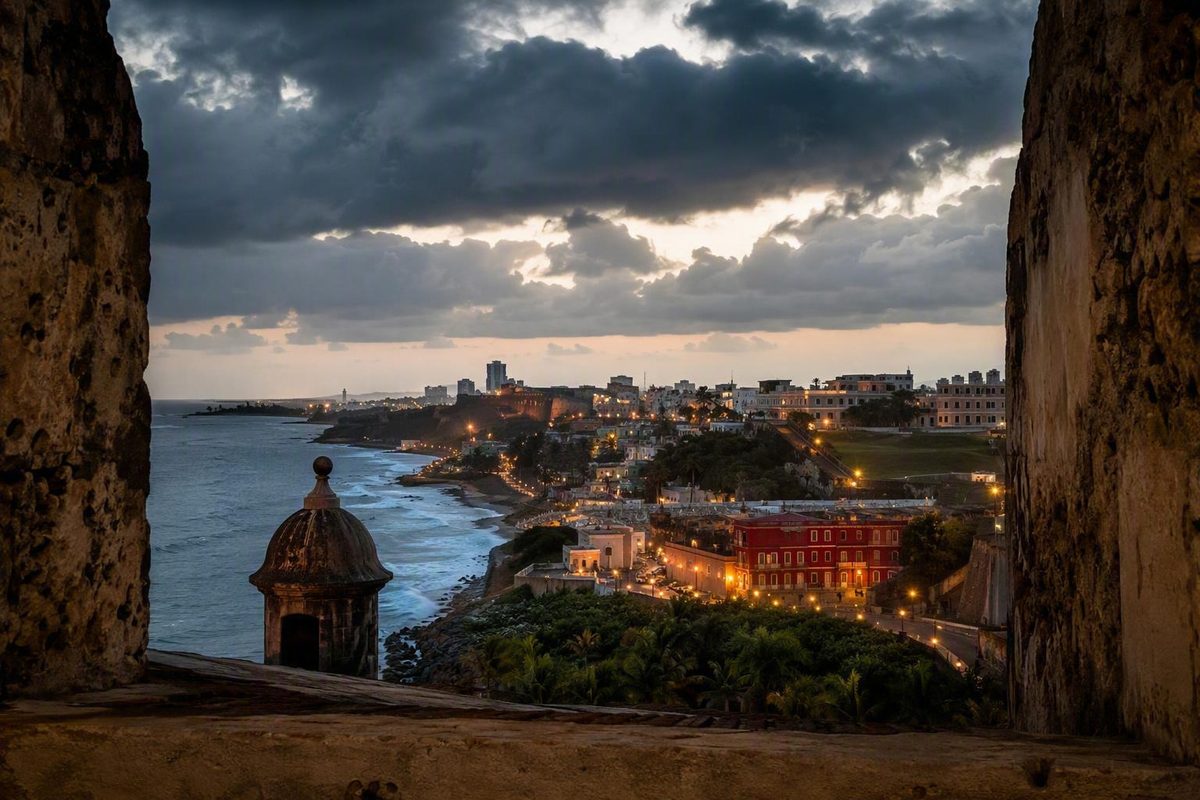
Search for “must do in San Juan Puerto Rico” and city landmarks quickly become mixed with rainforest hikes, offshore islands, distant beaches, and nighttime kayak tours. All may be worthwhile, but they do not belong in the same planning category.
For a first visit, start with Old San Juan and its fortifications. Add Puerto Rican food, then choose one water experience that matches what you actually want to do—paddle, snorkel, surf, swim where conditions permit, or simply spend time by the shore. Use the evening for art, cocktails, music, or dancing. If you have a third day, add one carefully selected excursion rather than trying to cross half the island.
This guide is an editorial synthesis of the supplied travel reporting and activity listings, not a record of firsthand inspection. Operational details can change, so confirm access, weather, safety warnings, accessibility, and transportation with the relevant attraction or operator shortly before visiting.
The five experiences to prioritize on a first visit
This top five reflects the strongest overlap among the available San Juan guides. It is not an objective definition of what every visitor must do. Travelers who dislike forts, cannot manage extensive walking, or prefer contemporary culture should change the order.
1. Explore Old San Juan on foot
Location: In San Juan Time category: Half day to full day Self-guided: Yes Physical demands: Moderate, potentially demanding in heat Best suited to: Visitors interested in architecture, history, photography, food, and several kinds of sightseeing within one district
Old San Juan concentrates historic streets, plazas, churches, walls, galleries, restaurants, shops, and waterfront paths in a relatively compact area. That makes it the most efficient starting point when time is limited.
“Walkable” still needs qualification. Cobblestones, slopes, stairs, fort grounds, and exposed stretches can be tiring. A sensible day alternates outdoor walking with indoor stops instead of attempting every church, museum, gallery, and scenic street.
2. Visit Castillo San Felipe del Morro
Location: In San Juan Time category: A major stop within an Old San Juan day Self-guided: Commonly explored independently Physical demands: Moderate to high, depending on the route and areas visited Best suited to: Travelers interested in fort architecture, military history, waterfront views, or San Juan’s most recognizable fort setting
El Morro combines layered fort architecture with a broad waterfront setting and expansive grounds. Travel accounts describe lookout points, barracks, a chapel, a lighthouse, and the large lawn associated with kite flying.
Several itineraries suggest reserving approximately two hours, but that is only a planning estimate; crowds, heat, mobility, interest, and open areas will affect the visit as shown in this first-timer itinerary.
If you can visit only one fort, El Morro is this guide’s editorial choice for its bay-entrance setting and visual scale.
3. Tour—or deliberately compare—Castillo San Cristóbal
Location: In San Juan Time category: One substantial stop; longer when paired with El Morro Self-guided: Yes Physical demands: Moderate to high, with tunnels, stairs, uneven surfaces, and exposed areas Best suited to: History-focused visitors and travelers who want to understand the broader defensive system
San Cristóbal is not merely a smaller substitute for El Morro. The forts addressed different threats: El Morro defended the approach from the sea, while San Cristóbal focused on landward attack. Its tunnels, bastions, stairways, and viewpoints create a different visitor experience.
History-focused travelers should consider both. Visitors who value leisurely meals, museums, shopping, or street photography may prefer to explore one fort properly.
4. Try Puerto Rican food and drink
Location: In San Juan Time category: Distributed throughout the day or organized as a guided tour Self-guided: Yes Physical demands: Depends on whether meals are combined with a walking tour Best suited to: Travelers interested in local culinary culture, subject to individual dietary needs
A manageable tasting plan begins with mallorca and coffee, then moves to dishes such as mofongo and tostones. An evening rum drink or piña colada can continue the theme.
A guided food walk may efficiently organize several tastings while adding historical interpretation. It is not necessary, however. Breakfast, lunch, and an evening drink can create a flexible self-guided food itinerary.
5. Choose a lagoon or coastal experience
Location: Condado, Condado Lagoon, and nearby urban shorelines are in San Juan Time category: A few hours to half a day Self-guided: Shore visits can be; instruction or equipment rental requires an operator Physical demands: Variable and dependent on the activity, conditions, and operator requirements Best suited to: Travelers seeking a change from fort-heavy sightseeing
Condado Lagoon is the strongest-supported in-city option in the supplied guides for kayaking or stand-up paddleboarding. Coastal planning is more complicated because an attractive shoreline is not automatically suitable for swimming. Choose by purpose and current conditions rather than by whichever beach appears first in a listing.
Keep the geography clear:
- In San Juan: Old San Juan, El Morro, Castillo San Cristóbal, Condado, and Condado Lagoon
- Near San Juan: Casa Bacardí, across the bay in Cataño
- Excursions: El Yunque, Luquillo, Fajardo, Culebra, Vieques, Icacos, and Puerto Rico’s bioluminescent bays
Commercial activity pages often group all of these under “San Juan,” even when an experience operates elsewhere. Confirm the exact meeting point, destination, transportation arrangements, and return location before booking.
Walk Old San Juan in a logical, heat-conscious order
Old San Juan is the natural first-day district because so many major sights sit within its historic core. The goal is not a rigid turn-by-turn route. Weather, street works, closures, opening schedules, and physical ability can all affect the best path.
A practical framework is:
- Begin around Castillo San Cristóbal.
- Follow Calle Norzagaray toward El Morro.
- Visit El Morro and view the cemetery beside it respectfully.
- Descend through the historic streets toward San José Church and the cathedral.
- Continue to the San Juan Gate.
- Finish on Paseo del Morro or Paseo de la Princesa.
This order places the most exposed fort section near the beginning of the sightseeing day. It then moves toward streets, churches, cafés, and waterfront paths where it is easier to slow down.
Start at San Cristóbal or El Morro?
Starting at San Cristóbal creates a logical westward progression along Calle Norzagaray to El Morro. It works particularly well for travelers committed to both forts.
Starting at El Morro may be better if it is your single non-negotiable landmark. You can explore it while your energy is highest, then move through Old San Juan without worrying that lunch or a museum visit will push the fort too late.
Neither version is a guaranteed accessible route. Even when two points appear close on a map, the route may include gradients, stairs, cobblestones, uneven pavement, and limited shade. Visitors with mobility needs should verify the specific entrance and route they intend to use.
Treat the cemetery as a memorial space
Santa María Magdalena de Pazzis Cemetery occupies a striking position beside El Morro and the water, but it should not be reduced to a photography backdrop. Treat it as a historic memorial space. Do not obstruct access, climb on structures, stage intrusive photographs, or disrupt people visiting graves.
The same principle applies throughout Old San Juan. Churches may be active places of worship, colorful façades may be people’s homes, and attractive balconies or courtyards may be private property. Photograph from public areas and respect services, residents, signs, and barriers.
Use the waterfront paths strategically
Paseo del Morro is described by one experiential guide as a comparatively level waterfront trail connecting the El Morro area with the San Juan Gate in its account of walking San Juan. That does not make the approach to the path—or Old San Juan generally—level or universally accessible.
Paseo de la Princesa provides another appealing finish near the lower part of the old city. The better promenade depends on your route, weather, energy, and whether the intended gate or path is open.
Add optional stops selectively
Old San Juan has enough secondary attractions to overwhelm a one-day plan. Choose one or two rather than turning the district into a checklist:
- Casa Blanca for another layer of colonial-era history
- Cuartel de Ballajá for architecture and cultural institutions
- Museo de las Américas for art and cultural exhibitions
- La Rogativa for a monument and waterfront setting
- Calle San Sebastián for restaurants, bars, and street life
- Local galleries for an alternative to fortifications
- San José Church or the cathedral for religious architecture, subject to services and access
Schedule exposed grounds early when possible. Use a museum, church, café, or long lunch as a break during the hottest or wettest part of the day, then return to the streets or waterfront when conditions improve.
Wear supportive shoes with reliable grip and carry water, sun protection, and compact rain protection. Wet stone and cobblestones can be harder to negotiate, while fort grounds may involve substantial sun exposure. Reduce the route when conditions or physical comfort require it.
El Morro or San Cristóbal: how the forts differ
The two major forts belong to the same broad defensive story but addressed different threats. El Morro protected the entrance to San Juan Bay from attacks arriving by sea, while San Cristóbal focused on landward defenses as summarized in this Old San Juan itinerary.
Choose El Morro for setting and broad first-visit appeal
El Morro is this guide’s recommended single-fort choice when time is short. The approach across the lawn, waterfront position, and layered interior communicate the fort’s scale even before visitors examine its individual spaces.
Supplied travel accounts mention barracks, lookout points, a chapel, a lighthouse, and extensive grounds. The lawn outside is also associated with kite flying. The setting can appeal even to travelers who do not want an in-depth military-history visit.
Approximately two hours is a reasonable starting estimate, not a fixed requirement. Allow more or less time according to open areas, weather, crowds, personal interest, and physical comfort.
Choose San Cristóbal for the land-defense story
San Cristóbal’s experience is shaped by tunnels, bastions, stairways, and elevated viewpoints. It explains the land-defense side of San Juan’s strategy that El Morro alone cannot.
Travelers interested in engineering, fortification design, or the development of the walled city may find both forts more informative than treating them as interchangeable attractions. Walking between them also reveals the northern edge of Old San Juan.
Can both fit into one day?
Yes, but the trade-off is real. A full Old San Juan day can include both forts, especially if you start at one and move efficiently toward the other. Doing so leaves less room for:
- A long Puerto Rican lunch
- Museo de las Américas or another museum
- Gallery browsing and shopping
- Multiple church interiors
- Extended photography stops
- Unhurried waterfront time
A history-first visitor may accept that compromise. Someone interested in the broader texture of Old San Juan may prefer El Morro, one museum, a proper meal, and several hours in the streets.
Both forts may involve sun exposure, walking, stairs, and uneven surfaces. Before visiting, consult current National Park Service information for hours, fees, ticket procedures, programs, closures, weather impacts, and accessibility. Do not rely on prices or ticket rules quoted in older travel blogs.
Make Puerto Rican food and drink part of the itinerary
Food should be scheduled rather than left to whatever time remains after the forts. A proper meal creates a useful indoor break and avoids spending the hottest part of the day walking while hungry.
A manageable first-timer tasting list includes:
-
Mallorca with coffee: A sweet, soft pastry or bread commonly dusted with powdered sugar
-
Other Puerto Rican dishes: Use menus and knowledgeable staff as a guide rather than forcing every specialty into one day
- Rum drinks: One way to explore rum as part of Puerto Rican culinary culture
- Piña colada: A familiar drink with a disputed origin story
Guided food tour or self-guided meals?
A food-and-walking tour can combine several tastings with interpretation of Old San Juan’s history and food culture. That structure may be useful during a short stay or cruise visit.
The trade-offs are a fixed start time, set walking pace, less control over individual dishes, and less freedom to linger elsewhere. Ask the operator about allergies, vegetarian or vegan needs, alcohol, walking distance, stairs, age restrictions, and restroom access.
A self-guided version is straightforward:
- Begin with mallorca and coffee.
- Schedule a Puerto Rican lunch during the midday heat.
- Include tostones as part of a meal rather than a separate mission.
- Finish with a rum drink or piña colada if desired.
Neither method is inherently better. Guided tours add organization and interpretation; independent meals provide flexibility.
Treat the piña colada origin as disputed
Avoid repeating a definitive invention claim. Barrachina in Old San Juan and the Caribe Hilton are associated with competing accounts of the piña colada’s origin. The disagreement is part of the drink’s story, and a visitor guide does not need to declare a winner.
Plan evening drinks around the experience, not the reputation
La Factoría is one example of an Old San Juan venue associated in travel reporting with multiple bar spaces, cocktails, and live salsa. Treat it as a possible evening stop, not a guaranteed nightly program.
Verify the current schedule, entry requirements, identification rules, dress expectations, and private-event closures. Do not organize an evening solely around a ranking or an old review; operating status, music, atmosphere, menus, and crowd levels can change.
Choose the right beach or lagoon experience
San Juan’s water options are not interchangeable. Decide whether you want to paddle, surf, snorkel, swim where permitted, or remain on shore before selecting a location.
For kayaking or stand-up paddleboarding: Condado Lagoon
Condado Lagoon is the clearest in-city paddling option in the supplied travel coverage. An experiential guide describes its urban shoreline, mangrove areas, and kayaking and stand-up paddleboarding opportunities in this overview of the lagoon.
Do not interpret “lagoon” as a guarantee of easy or suitable conditions. Before booking, ask the operator about:
- Required paddling or swimming ability
- Minimum ages and supervision rules
- Flotation equipment
- Weight and equipment limits
- Weather-cancellation procedures
- The precise launch and return points
- Assistance entering and leaving the craft
- Accessibility for the intended participant
Operator requirements and water conditions should determine suitability. Wildlife may be present, but sightings cannot be guaranteed.
For an urban shoreline: Condado Beach
Condado Beach provides an urban coastal setting and is associated with shoreline recreation and wind sports. It should not be presented as a routine swimming recommendation.
An affiliate San Juan travel guide explicitly warns of dangerous currents and tells adults and children not to swim or bathe there in its Condado Beach safety notice. This is not an official public-safety advisory, so verify current conditions through posted warnings and on-site authorities. Always follow official notices and lifeguard instructions over general travel guidance.
For potentially calmer water: Playita del Condado
The same affiliate guide describes nearby Playita del Condado as a smaller option with calmer water and limited snorkeling. That comparison does not guarantee safe swimming on a particular date.
Conditions, water quality, warnings, visibility, and crowding can change. Families, non-swimmers, and inexperienced snorkelers should verify the actual entry conditions and available supervision before entering the water. Rental availability or a tour listing is not proof of safe conditions.
For surfing or snorkeling: verify the actual location
Surf lessons and snorkeling tours appear throughout the wider San Juan activity market, but many operate outside the historic center or outside San Juan altogether. “San Juan” in a listing may refer to hotel pickup, a broad marketing region, or the city from which visitors commonly book.
Culebra and Icacos are not San Juan beaches, and Luquillo is outside the city. Many boat excursions require reaching Fajardo or another east-coast departure point before the water activity begins.
Before booking, identify:
- The precise departure point
- Whether transportation is included
- The actual activity location
- Swimming and fitness requirements
- Required safety equipment
- Weather-cancellation procedures
- The return location and plan for a late finish
Do not spend most of a short San Juan stay transferring to a distant marina unless that excursion is a genuine priority.
Go beyond the forts with art, music, and evening culture
A first visit can easily become overfocused on Spanish colonial landmarks. The forts matter, but they do not represent the full range of Puerto Rican art and contemporary city life.
Add a museum focused on Puerto Rican art
Museo de Arte de Puerto Rico presents work by Puerto Rican artists and includes landscaped gardens. It can provide a useful counterweight to a day dominated by military and colonial history.
The Luis A. Ferré Performing Arts Center is another possible addition outside Old San Juan. Check each institution’s current exhibitions, performances, operating hours, ticket procedures, and accessibility rather than relying on promotional superlatives.
Use Museo de las Américas within an Old San Juan day
Museo de las Américas is located in Cuartel de Ballajá near El Morro, making it geographically convenient as a midday indoor stop or an alternative to touring both forts.
Confirm the current program before visiting. Gallery access and exhibitions can change, and proximity alone does not mean the subject matter will suit every traveler.
Independent Old San Juan galleries provide smaller-scale alternatives for travelers interested in contemporary work or crafts. Respect photography rules and do not assume an exhibition mentioned in an older guide remains installed.
Make music and dance an evening option
Salsa can be experienced through a lesson, scheduled performance, or night out. La Factoría in Old San Juan and La Placita in Santurce are examples mentioned in visitor reporting, but neither should be treated as a guaranteed salsa venue every night.
The experience varies by date, time, venue, and event. Check current programming and arrange return transportation before staying late.
Include queer history and LGBTQ+ nightlife thoughtfully
Queer-history walking tours can introduce perspectives often absent from conventional colonial sightseeing. LGBTQ+ bars and nightlife venues may also form part of an inclusive itinerary.
Individual positive travel accounts do not prove universal safety or welcome. Venue status and personal experiences vary, so evaluate current conditions and transportation as you would for any nightlife plan. A guided daytime history walk may suit visitors who want cultural context without centering the experience on bars.
Keep an indoor backup plan
Rain or intense midday heat need not erase an entire sightseeing block. Possible alternatives include:
- Museo de Arte de Puerto Rico
- Museo de las Américas
- An open gallery
- An active church outside service times
- A café or extended lunch
- A food tour with substantial indoor stops
- A scheduled performance
- A culinary or cocktail class
Confirm access before crossing the city. “Indoor” does not necessarily mean open, air-conditioned, step-free, or available without a reservation.
Decide whether Casa Bacardí or El Yunque fits your trip
Popular “San Juan” lists often include attractions beyond the city. Use three geographic labels to understand the commitment.
Near-city outing: Casa Bacardí in Cataño
Casa Bacardí is in Cataño, not San Juan proper. It can suit travelers specifically interested in rum production, tasting, or cocktail preparation, but it still requires transportation across or around the bay.
Supplied travel reporting describes distillery, tasting, and cocktail-focused formats. Do not assume every format operates daily, follows the same route, or includes the same spaces. Confirm transportation, age and identification rules, included drinks, accessibility, and availability directly with the attraction.
Some published accounts involved hosted or enhanced access. Special barrel-room entry should not be treated as representative of a standard public tour. Read the description of the exact experience being booked.
Casa Bacardí generally fits more naturally into a third day than a tightly packed Old San Juan day. If rum is only a mild interest, an in-city tasting or cocktail may use your time more efficiently.
Substantial day trip: El Yunque
El Yunque requires a larger block of time and more preparation. Planning references supported by the supplied reporting include:
- El Portal visitor-center exhibits
- Highway 191
- Roadside viewpoints
- La Coca waterfall
- Yokahú Observation Tower
- Open hiking trails and designated recreation areas
A day-trip account describes those features while emphasizing that conditions and access must be checked before travel in its El Yunque planning overview.
These are planning references, not promises that every site or trail will be open. Weather, maintenance, storm damage, parking limitations, trail work, and other restrictions may affect access.
Bring footwear with traction, water, rain protection, and clothing appropriate for wet conditions. Carry a swimsuit only if your confirmed route includes a place where entry into the water is currently permitted. Never infer that a waterfall, river, or pool is open or suitable for swimming merely because it appears in an older itinerary.
A rental car offers independence but leaves the driver responsible for navigation, parking, weather, and changing access. An organized tour may reduce the transportation burden, but it also imposes a fixed schedule, group pace, and operator-selected itinerary.
Shortly before departure, consult current official El Yunque or U.S. Forest Service information for entry procedures, reservations if any, parking, road and trail status, closures, weather, and swimming restrictions.
Longer or transfer-dependent excursions
Fajardo, Culebra, Vieques, Luquillo, Icacos, and bioluminescent-bay experiences require more planning than a “from San Juan” label may suggest.
- Fajardo: A common departure area for east-coast boat and kayak activities
-
Culebra and Icacos: Usually require reaching a marina before boarding
-
Luquillo: A mainland beach and food outing outside San Juan
- Bioluminescent bays: May involve darkness, kayaking, mangrove routes, weather exposure, and a late return
A bioluminescent-bay trip is not a casual add-on after a full day walking Old San Juan. Ask about paddling difficulty, transfers, flotation equipment, darkness, weather policies, and return transportation.
For a three-day first visit, choose one excursion. Combining El Yunque, an offshore island, a bio-bay trip, and a distillery creates a transportation itinerary rather than a San Juan visit.
Build a realistic one-, two-, or three-day plan
A workable itinerary reduces backtracking and preserves enough energy for the evening. It should also contain alternatives rather than assuming perfect weather and unrestricted access.
One day: the essential Old San Juan route
Begin at El Morro near the start of the sightseeing day. Explore according to your available time and physical comfort, view the cemetery respectfully, and continue through the historic streets.
Include the cathedral and San Juan Gate before moving toward Paseo de la Princesa. Stop for a Puerto Rican lunch rather than trying to eat while walking. In the evening, choose cocktails, a scheduled salsa experience, or a relaxed dinner if energy allows.
If both forts are priorities, begin at one, cross the northern side of the district, and visit the other. Accept that this version leaves less time for museums, galleries, shopping, and spontaneous café stops.
Two days: history first, water and culture second
Day one: Old San Juan
- One or both forts
- Calle Norzagaray and selected historic streets
- One church, museum, or gallery
- San Juan Gate
- Paseo del Morro or Paseo de la Princesa
- Puerto Rican lunch and an optional evening drink
Day two: Condado and contemporary culture
- Kayaking or stand-up paddleboarding at Condado Lagoon, if operator requirements and conditions suit you
- A coastal stop selected according to current warnings
- Museo de Arte de Puerto Rico or a gallery
- Evening music, a performance, cocktails, or dancing
This structure keeps the first day geographically concentrated and avoids forcing a water activity into an already demanding fort itinerary.
Three days: add one excursion
Retain the two city days, then choose one:
- El Yunque for visitor-center exhibits, viewpoints, natural areas, or open trails
- Casa Bacardí for a focused rum experience near the city
- A carefully planned east-coast boat or snorkeling trip
- A bioluminescent-bay outing if the paddling and return logistics suit you
Do not combine several distant outings merely because each is marketed as a San Juan departure.
Cruise-visit variation
Passengers arriving at Old San Juan piers are generally closer to the historic district, while passengers arriving at the Pan American Pier usually need ground transportation. Confirm the exact terminal rather than relying on “San Juan” in the cruise itinerary as explained in this cruise-oriented guide.
Build a substantial return margin around the ship’s stated requirements. Pier access, traffic, and all-aboard time matter more than fitting in one additional attraction.
Limited-mobility variation
Shorten the walking loop and connect separate zones by taxi or rideshare. Prioritize a few sites with independently confirmed access rather than attempting the complete fort-to-fort route.
A possible structure is:
- Transportation to one fort or viewpoint
- A short historic-street segment
- A church or museum with confirmed access
- Lunch
- San Juan Gate or a suitable waterfront section
- Transportation back
Ask each attraction or operator about curb conditions, step-free entrances, elevators, seating, accessible restrooms, and vehicle requirements. Do not assume a generally walkable district is accessible throughout.
Heat-or-rain variation
Place exposed fort grounds early. Use the middle of the day for a museum, church, gallery, café, culinary activity, or long lunch, then return outdoors later if conditions improve.
In heavy rain, stone and cobblestones can become more difficult to negotiate. Reduce the route instead of rushing between shelters. In intense heat, hydration and rest take priority over completing a checklist.
Getting around without turning the trip into a driving problem
A rental car is generally unnecessary for a day centered on Old San Juan. Walking and ground transportation are usually more practical than retrieving, moving, and repeatedly parking a vehicle between nearby sights.
Parking is not impossible, but traveler accounts describe it as potentially difficult when demand is high. If you drive, identify a realistic parking option before entering the district and expect to walk from it.
Walking and rideshare work well for the city core
Treat Old San Juan primarily as a walking district with optional transportation support. Taxis or rideshare can connect larger visitor zones such as Old San Juan and Condado or shorten the day for someone struggling with hills or heat.
Do not depend on an old journey-time or fare estimate. Traffic, events, road work, cruise activity, rain, and driver availability can all affect the trip.
A car becomes more useful for an independent El Yunque visit or a wider Puerto Rico itinerary. Even then, compare the responsibilities of driving with an organized excursion that includes transportation.
Think carefully before driving into the mountains
A travel account of Puerto Rico day trips describes some mountainous routes as narrow and extremely curving, which may matter to motion-sensitive passengers and drivers unfamiliar with that terrain in its discussion of mountain excursions.
Do not select a route solely because its mileage appears short. Road character, weather, daylight, planned stops, and driver confidence may matter more than distance.
Use a pre-departure verification checklist
Shortly before leaving, confirm:
- Official attraction hours
- Closures and maintenance notices
- Reservation or ticket requirements
- Identification and age rules
- Posted beach and surf warnings
- Weather and heavy-rain forecasts
- El Yunque road and trail conditions
- Swimming restrictions
- The exact tour departure point
- Whether transportation is included
- Return transportation after evening activities
- Accessibility for the specific entrance, route, vehicle, or vessel
- Cruise terminal and all-aboard details, when applicable
Also verify the municipality. An activity advertised under San Juan may actually operate in Cataño, Fajardo, Bayamón, Carolina, Luquillo, or elsewhere.
Avoid organizing the trip around old prices, marketplace rankings, review totals, or temporary street decorations. These details change quickly and do not determine whether an experience suits your schedule, interests, or physical abilities.
Frequently asked questions
What are the top five must-do experiences in San Juan for a first visit?
A practical editorial top five is:
- Walk Old San Juan.
- Visit El Morro.
- Explore or compare Castillo San Cristóbal.
- Try Puerto Rican food and drink.
- Choose a lagoon or appropriate coastal experience.
Old San Juan, both forts, Condado, and Condado Lagoon are in-city experiences. Casa Bacardí in Cataño is a near-city outing; El Yunque, Luquillo, Fajardo, Culebra, Vieques, and the bioluminescent bays require additional transportation.
Can I see Old San Juan, El Morro, and Castillo San Cristóbal in one day?
Yes. Start at one fort, follow the northern side of Old San Juan toward the other, then descend through the historic streets toward the cathedral, San Juan Gate, and waterfront.
The compromise is pace. Visiting both forts leaves less time for museums, galleries, shopping, meals, and spontaneous stops. Plan for slopes, cobblestones, stairs, heat, and exposed grounds.
Do I need a rental car while staying in San Juan?
Usually not for a city-focused stay. Old San Juan can be explored largely on foot, while taxis or rideshare can connect it with Condado and other visitor areas.
A car becomes more useful for an independent El Yunque visit or wider island itinerary. An organized excursion may suit travelers who do not want to manage navigation, parking, weather, or unfamiliar roads.
Is Condado Beach safe for swimming?
Do not use Condado Beach as a default swimming recommendation. An affiliate travel guide warns of dangerous currents and advises adults and children not to swim or bathe there in its published Condado Beach warning.
Because that is not an official safety source, check current posted warnings and follow lifeguards or public authorities on the day. Nearby Playita del Condado is described by the same guide as having calmer water, but that does not guarantee suitable conditions.
Are El Yunque and Casa Bacardí actually in San Juan?
No. Casa Bacardí is in Cataño, making it a near-city outing rather than a San Juan attraction proper. El Yunque is a substantial trip outside the city and requires planned transportation.
Treat both as separate itinerary blocks. Casa Bacardí may fit into part of a day, depending on the booked format and transportation. El Yunque generally deserves most or all of a day once transportation, access, weather, and any hiking are considered.
The simplest first-visit plan is still the most workable: spend your first day in Old San Juan, pair its historic core with Puerto Rican food, and use additional days for Condado, art, music, or one carefully chosen excursion. Shortly before departure, verify official access rules, posted beach warnings, weather, closures, accessibility, and transportation rather than relying on old prices or tour listings.