
A 4-Day NYC Itinerary That Keeps the Car Parked
Plan four days in New York City after arriving by car, with clustered sights, parking cautions, congestion tolls, transit costs and rain options.
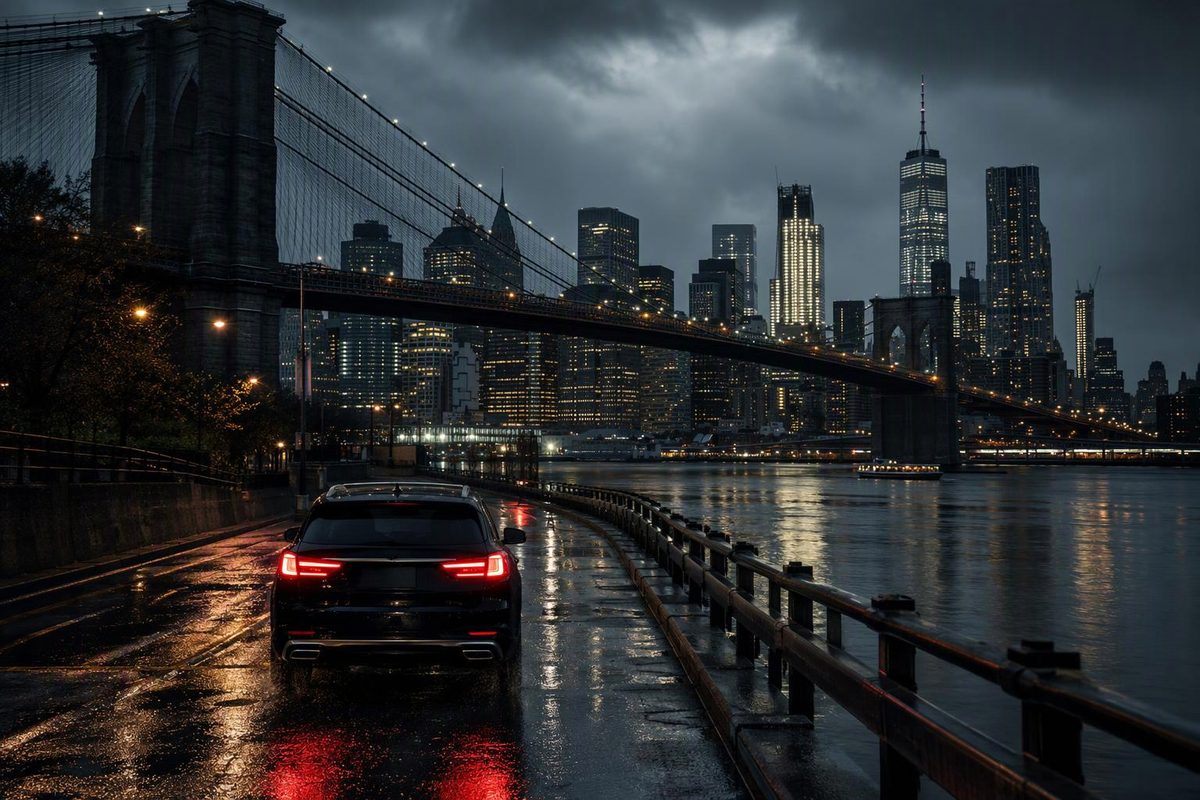
For a four-day New York City trip by car, park once and use the subway, buses and walking until departure. Driving between attractions adds traffic, congestion-toll exposure and repeated parking searches without reliably saving time.
Enter your group and transit use; the result shows the known transport cost before parking.
NYC Transit And Congestion Cost Check
This calculates fares and one selected congestion-zone entry. Parking, lodging, taxes and garage fees remain separate.
Known Cost For The Stay
$79
- Transit for 2 riders
- $70
- Selected zone entry
- $9
- Parking and lodging
- —
The $35 seven-day cap applies per rider when that rider uses the same eligible payment method for every tap.
Change The Congestion-Zone Entry
Source: MTA figures cited in this guide—$3 subway/local bus fare, $35 seven-day cap, and passenger-vehicle E-ZPass congestion tolls of $9 peak or $2.25 overnight as of September 24, 2026.
The schedule covers four full days, but Days 1–3 also work as a shorter trip. Expect substantial walking, particularly on Days 1 and 3; use buses or the subway to shorten longer links.
Four-Day Trip Plan At A Glance
| Day | Area | Main Stops | Timing |
|---|---|---|---|
| 1 | Central Park and Midtown | Central Park, one museum or observation deck, Grand Central, Times Square | 9 a.m.–9 p.m. |
| 2 | Lower Manhattan and Brooklyn | Staten Island Ferry, 9/11 Memorial, Brooklyn Bridge, DUMBO | 8:30 a.m.–8 p.m. |
| 3 | West Side and Greenwich Village | High Line, Chelsea, West Village, Washington Square | 9 a.m.–8 p.m. |
| 4 | Harbor or Queens | Liberty and Ellis Islands or one Queens museum and its neighborhood | 8 a.m.–6 p.m. |
Keep one evening uncommitted. A delayed train, long meal or attraction queue should not force the rest of the trip off schedule. As with a realistic road-trip itinerary, anchor each day around one or two priorities rather than treating every stop as mandatory.
Choose Parking Before Choosing Attractions
Manhattan’s Congestion Relief Zone includes local streets and avenues south of and including 60th Street. The FDR Drive, West Side Highway/Route 9A and specified Hugh L. Carey Tunnel connections are excluded while a vehicle remains on those roadways.
As of September 24, 2026, a passenger vehicle with a valid E-ZPass pays $9 for its first peak-period entry of the day or $2.25 overnight. Tolls by Mail rates are higher. Peak hours are 5 a.m.–9 p.m. on weekdays and 9 a.m.–9 p.m. on weekends. Check the MTA’s current zone map and rates before arrival because rates and operating rules can change.
Compare the full cost of three arrangements:
- A hotel with confirmed on-site parking.
- A prebooked garage near the hotel.
- Lodging near a subway station outside central Manhattan, with legal off-street parking for the entire stay.
For a hotel or garage, confirm taxes, oversize-vehicle fees, opening hours and whether taking the car out triggers a new charge. Do not assume an open curb space is legal overnight. Rules vary by block and time, and alternate-side street-cleaning restrictions may require moving the vehicle.
Metered parking is a poor multi-day solution. First-hour rates reach $5.50 in Midtown and Lower Manhattan, with higher second-hour rates and posted time limits. NYC DOT says rates and permitted duration depend on the specific block. Check the sign and meter where you park rather than relying on a citywide assumption. The city publishes its official meter rates and rules.
If you drive a campervan, converted van or commercially registered vehicle, confirm its legal classification and route before entering the city. Commercial vehicles are prohibited on many city parkways, including the Belt, FDR, Henry Hudson and Cross Island; NYC DOT lists the applicable parkway restrictions.
Day 1 Covers Central Park And Midtown
9–11:30 a.m.: Central Park. Enter at Columbus Circle or the park’s southeast corner near Fifth Avenue. A manageable first visit connects the Pond, Mall, Bethesda Terrace and Bow Bridge. Do not try to cover the entire park. Central Park has no public parking inside it, and all park drives except the four transverse roads are car-free.
Noon–4 p.m.: Choose one anchor attraction. Pick the Metropolitan Museum of Art for a museum afternoon, or leave the park toward Midtown for one observation deck. Allow two to three hours plus lunch. Multiple back-to-back ticketed attractions leave little margin for security lines and transit.
4:30–6:30 p.m.: Midtown. If you chose an observation deck, continue on foot to Rockefeller Center, Fifth Avenue and Grand Central. From the Met, take a downtown bus or subway to save time and energy, then choose Grand Central or Rockefeller Center rather than rushing through both.
Evening: Times Square and dinner. Times Square works as a short after-dark stop, not a half-day activity. If attending a Broadway show, eat near the theater and follow the ticket issuer’s arrival guidance.
Day 2 Links The Harbor, Lower Manhattan And Brooklyn
8:30–10:30 a.m.: Staten Island Ferry round trip. From Whitehall Terminal, the free ferry takes about 25 minutes each way and generally runs every 30 minutes outside weekday rush periods. Boarding and turnaround make this a 90-minute to two-hour outing rather than a 50-minute one. Confirm departures on the official Staten Island Ferry schedule.
10:45 a.m.–1:30 p.m.: Financial District. Walk through Battery Park, then choose Wall Street and Trinity Church or the 9/11 Memorial and Museum. The outdoor memorial is free and open daily. The museum requires advance admission and is currently open Wednesday–Monday plus select Tuesdays. Its guidance suggests at least 45–90 minutes inside, although visitors may want longer. Verify hours and tickets through the 9/11 Memorial & Museum.
2:30–5:30 p.m.: Brooklyn Bridge and DUMBO. Allow about an hour to cross on foot when crowds and photo stops are included. Continue through Brooklyn Bridge Park and DUMBO instead of immediately returning to Manhattan.
Evening: Brooklyn Heights or Manhattan. Dinner in Brooklyn avoids another transfer before eating. In heavy rain, replace the bridge walk with a longer museum visit.
Day 3 Follows The High Line Into The Village
9–11 a.m.: High Line. Start near 30th Street and walk south toward the Meatpacking District, placing Chelsea and Greenwich Village naturally ahead. Current hours are 7 a.m.–10 p.m. from April through November and 7 a.m.–8 p.m. from December through March. Check the High Line visitor page for temporary closures and elevator status.
11 a.m.–2 p.m.: Chelsea and lunch. Choose the Whitney Museum, galleries or Chelsea Market. Trying to cover all three turns this into a long indoor afternoon.
2–6 p.m.: West Village and Washington Square. Continue south through the West Village and finish at Washington Square Park. This section is best explored on foot, but it is also the easiest place to shorten if the group is tired.
Evening: Keep it flexible. Use this time for a reserved restaurant, comedy show or anything displaced by weather—or stop early.
Day 4 Is Either The Harbor Or Queens
Option A: Liberty And Ellis Islands
Treat Liberty and Ellis Islands as the day’s main commitment. Buy only through Statue City Cruises, the National Park Service’s authorized ticket seller, and select an early departure if visiting both islands.
Pedestal and crown access require limited advance tickets. The printed ticket time is entry to the security queue, not a guaranteed ferry departure, and the National Park Service warns that peak waits can reach an hour or more. Review the official Statue of Liberty planning guidance before booking.
Do not combine this option with a fixed early-afternoon event or another large museum.
Option B: One Queens Neighborhood
For a largely indoor day, choose MoMA PS1 in Long Island City or the Museum of the Moving Image in Astoria. Add a meal and short neighborhood walk nearby rather than traveling across Queens for another attraction.
This option avoids committing to an exposed ferry day in cold rain or high wind. Check the chosen museum’s hours and weekly closure day before assigning it to Day 4.
Check Transit Before Each Day And Roads Before Departure
The subway and local bus fare is $3 for most riders. Use the same contactless card, phone, wearable or OMNY Card for every tap. The current seven-day fare cap is $35, and no account or app is required. MetroCards can no longer be purchased or refilled. Current fares and payment details are on the MTA fare page.
Check MTA planned service changes each morning, especially on weekends. A station that works well on a weekday may have rerouted or suspended service during weekend maintenance.
Before retrieving the car, use 511NY to check crashes, construction and weather-related road conditions. New York State DOT identifies 511NY as its statewide traffic and travel service.
Schedule garage pickup outside the evening rush if possible, and confirm the closing time and retrieval procedure. Once the car is out, make departure the next activity rather than attempting one last Manhattan stop with luggage in the vehicle.