
A Practical Way to Plan Each Day on Oahu Without Rushing the Island
Waikiki, Honolulu, southeast Oahu, the Windward Coast and North Shore get separate attention, with room for traffic, weather and reservations.
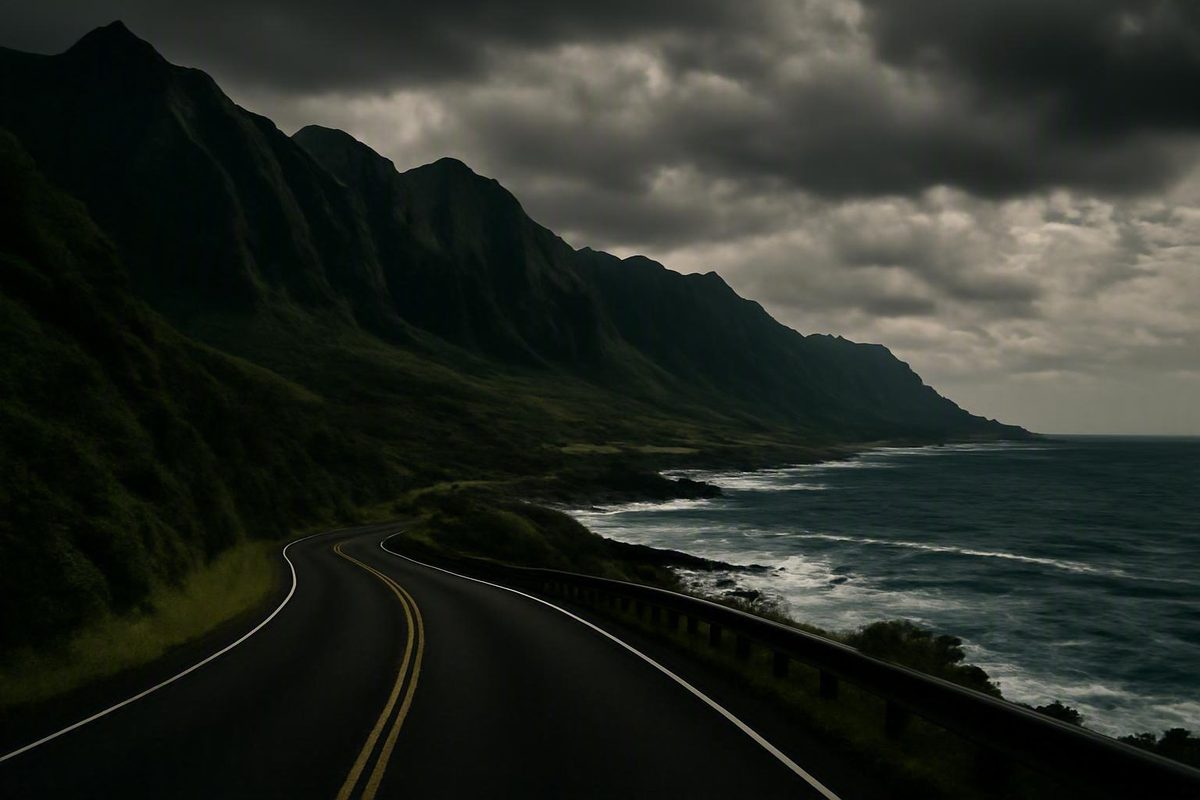
If you searched for an “oahu daily itenerary,” the useful phrase—and the one used throughout this guide—is Oahu daily itinerary. The spelling matters less than the planning principle: Oahu works better as a series of regional days than as one long list of attractions.
The five-day schedule is the balanced core plan. It gives Waikiki, Honolulu, southeast Oahu, the Windward Coast, and the North Shore separate attention without assuming that traffic, parking, weather, reservations, or ocean conditions will cooperate perfectly. A later section shows how to compress the plan into three days or extend it to seven.
How to Use This Oahu Itinerary
Start by dividing Oahu into five practical sightseeing modules:
- Waikiki and Diamond Head
- Pearl Harbor and Honolulu
- Southeast Oahu
- The Windward Coast
- The North Shore
This regional structure reduces unnecessary backtracking. It also makes the schedule easier to revise. If a reservation changes, rain reaches one side of the island, or the group needs a slower morning, you can move an entire module instead of rebuilding the trip stop by stop.
The five-day plan assigns one module to each day, but you do not need to follow the days in numerical order. Put reservation-dependent activities on the dates you can secure them, check operating days, and arrange the remaining modules around those anchors.
Use the one-anchor rule
A realistic sightseeing day contains:
- One anchor attraction: the main reason for the day
- One secondary activity: a beach, garden, museum, walk, or moderate scenic stop
- A genuine meal and recovery break
- Optional viewpoints: included only when time, parking, weather, and energy permit
An anchor might be the USS Arizona program, a Hanauma Bay visit, a reserved Kualoa-area activity, or a substantial hike. Treating three such experiences as equal priorities usually creates a day governed by the clock rather than the place.
Driving time is only one part of the calculation. A map estimate does not include finding parking, walking from the car, checking in, waiting in a queue, using restrooms, eating lunch, changing after a beach visit, or stopping for photographs. Those transitions accumulate quickly.
One seven-day trip report estimates that a broad route connecting major sights could involve at least several hours of driving before stops, with traffic adding more time. That illustrates why a route may be drivable without being comfortably visitable in one day. See the seven-day Oahu itinerary’s driving discussion.
A separate island-drive outline distinguishes roughly four hours behind the wheel from a substantially longer day once meals, breaks, and activities are added. It also treats its named stops as options rather than a requirement to complete the entire list. See the Prince Waikiki island-drive outline.
A list such as “Haleʻiwa, Laniakea, Pipeline, Sunset Beach, Shark’s Cove, and Waimea Valley” is therefore a menu, not a promise. Choose among the stops. Do not assume all of them belong in one comfortable afternoon.
Treat every schedule below as a planning framework rather than a guarantee. Traffic, roadwork, parking, rain, surf, closures, queues, and the group’s energy can all change the sensible version of the day.
Before Day One: Reservations, Transportation, and Schedule Buffers
Before assigning activities to dates, identify anything that may use timed entry, limited capacity, or advance booking. The main candidates in this itinerary are:
- Diamond Head
- Hanauma Bay
- Pearl Harbor programs
- Kualoa Ranch activities
- Boat trips, helicopter flights, paddling excursions, and other major tours
- Special museum, palace, or cultural programs
Fees, operating days, release schedules, parking rules, entry procedures, and bag policies can change. Confirm every time-sensitive detail on the relevant operator’s official website before travel and again shortly before the scheduled visit.
The travel guides cited in this article report conflicting or potentially outdated booking windows for several attractions. For that reason, this itinerary does not reproduce a specific booking time, release day, fee, or closure schedule as though it were current.
Once a reservation is confirmed, make it the day’s anchor. If Hanauma Bay entry is in the morning, build that day outward from Hanauma Bay. If a Kualoa activity has a fixed check-in time, do not begin with distant stops that could make you late. The reservation controls the route; the template does not control the reservation.
Decide when you actually need a car
A rental car is most useful for:
- Southeast-coast stops beyond the urban core
- The Windward Coast
- The North Shore
- Days involving several places that are not connected by one simple transportation route
A Waikiki-focused day may be manageable on foot, by taxi, rideshare, shuttle, or another local transportation option. Pearl Harbor and central Honolulu may also be possible without keeping a rental car all day, depending on the exact venues and transportation available on your dates.
TheBus, taxis, rideshares, attraction shuttles, and organized tours are possible alternatives to self-driving. Do not assume, however, that general islandwide service makes a specific itinerary practical. Verify route frequency, transfers, walking distance, accessibility, and the final return option. A route that is straightforward by car may require several transit connections, while a guided tour may reduce navigation but limit how long you spend at each place.
If renting only for regional days, compare hotel parking costs with the time needed to collect and return the vehicle. An early pickup can consume part of the morning. Collecting the car the evening before may be easier, but only after accounting for overnight parking and the additional rental period.
Protect arrival and departure days
Keep arrival day light. A short Waikiki walk, an uncomplicated meal, or time at the hotel is enough. Flights, baggage collection, ground transportation, hotel procedures, and jet lag make arrival timing unreliable.
Departure day is not an unrestricted sightseeing day. Check-out, luggage, refueling or returning a car, airport travel, and check-in requirements reduce usable time. Choose something near the hotel or airport only if the flight schedule leaves a comfortable margin.
Avoid attraction stops during a hotel transfer when luggage would remain in a vehicle. Arrange storage with the hotel if it offers that service, or use another provider you have confirmed in advance. A published Oahu road-trip article warns that rental vehicles may be targeted for burglary and advises travelers to keep bags and valuables out of sight; the more conservative choice is not to leave travel luggage in the vehicle at all. Read the vehicle-security advice in Tripadvisor’s Oahu road-trip itinerary.
Finally, build buffers rather than relying on guaranteed drive times. Rush-hour traffic, a parking search, a passing shower, or an attraction queue can erase the gap between tightly scheduled reservations.
Day 1: Waikiki and Diamond Head
Make this the lightest full day, especially if you arrived the previous evening or crossed several time zones. The aim is to begin with one clear activity and enough flexibility to recover.
Morning anchor: Diamond Head
Use Diamond Head as the morning anchor only after confirming current entry and parking requirements with the operator. Do not assume that arriving without the required arrangements will work.
Allow for the entire visit, not merely the listed trail distance:
- Travel from the hotel
- Parking or drop-off
- Check-in
- The ascent
- Stairs and tunnels
- Rest breaks
- Photographs
- The descent
- The return to Waikiki
Earlier hiking generally provides more room before the heat of the day, but it does not guarantee an empty trail or immediate parking. A family account reported finding a later morning hike hot and reaching the nearby market with little time before some vendors began closing. The experience is anecdotal, but it shows how quickly a paired morning can contract. See the family’s Diamond Head and market timing.
Do not schedule a late hike because an old article describes sunset access. Park hours, final entry, parking procedures, and reservation requirements need current confirmation. If the entry you secure is later than you prefer, either keep the hike as the sole anchor or replace it. Do not assume you can rush the route before closing.
Afternoon: keep Waikiki flexible
After the hike, return to Waikiki for lunch and a low-pressure afternoon. Choose one of the following:
- Beach time
- A walk along the waterfront
- A hotel or pool break
- A relaxed meal
- Shopping
- A short scenic outing
- An evening cruise or cultural program, if already reserved
These are alternatives, not consecutive assignments. A beach period followed by dinner may be enough for travelers adjusting to a time change.
If your visit falls on Saturday, the KCC Farmers’ Market may be a post-hike option after you verify its current hours and operating details. Pairing it with Diamond Head works best when the hike begins early and the group moves efficiently. Do not sacrifice rest breaks or rush the trail merely to reach the market.
Low-exertion version
Skip the summit and use the morning for a Waikiki walk, a gentle beach period, or a scenic drive or ride. Follow it with lunch and one optional evening activity.
This version also suits a late arrival, high heat, or a group member who is uncertain about stairs or uneven surfaces. Before selecting a substitute, check its shade, seating, restroom access, surfaces, and parking-to-entrance distance rather than assuming that “short” means easy.
Day 1 pacing: Diamond Head or a low-exertion scenic outing, followed by Waikiki. Do not add Koko Crater or another strenuous trail.
Day 2: Pearl Harbor and Honolulu
Pearl Harbor is the anchor. The scope of the visit determines whether the day leaves room for Honolulu afterward.
Shorter Pearl Harbor version
Concentrate on the visitor center and USS Arizona program, subject to current access, ticketing, and operational procedures. A third-party itinerary reports that USS Arizona access includes a boat component and uses timed procedures, but its booking instructions may no longer be current. Confirm the current system directly with the operator before visiting. Review the source-reported Pearl Harbor program details.
After a focused visit, choose only one or two nearby Honolulu interests. Possible themes include:
- Hawaiian history
- A palace or museum
- Chinatown or another food-focused area
- A city walk
- A single memorial or historic site
- A return to Waikiki for a relaxed evening
Select places according to their current opening hours and the time actually remaining. Do not force a museum into the schedule merely because the Pearl Harbor portion ended earlier than expected.
Comprehensive Pearl Harbor version
If you want to add separately operated ships, museums, or other major sites in the Pearl Harbor area, allow most or all of the day. A commercial travel guide describes the wider complex as requiring several hours and recommends approaching a comprehensive visit without rushing. Review the Pearl Harbor scope discussion from Hawaii Guide.
Do not place a meaningful Windward Coast or North Shore visit after this version. It may look efficient on a map, but it creates a late cross-island drive after a day already filled with check-in procedures, exhibits, walking, and queues.
Bags, valuables, and recurring events
Travel guides have reported bag restrictions at Pearl Harbor, but current requirements must be confirmed with the operator before leaving the hotel. Check what is permitted and whether storage is available. Do not respond to a bag restriction by leaving valuables or luggage in a parked car.
If fireworks, live entertainment, or another recurring Waikiki event aligns with the evening, treat it as optional and confirm it on the same day. Published schedules and personal reports vary, and events can change or be canceled.
Poor-weather version
This is one of the itinerary’s more indoor-leaning days. Depending on current operations, expand the museum or history component and reduce exposed city walking. Pearl Harbor still involves outdoor movement, and individual programs may be affected by operating conditions.
If a particular program is disrupted, use one verified Honolulu museum, palace visit, food stop, or shopping area as the fallback. Check current hours before traveling across the city.
Day 2 pacing: focused Pearl Harbor plus limited Honolulu, or comprehensive Pearl Harbor alone.
Day 3: Southeast Oahu—One Hike, Hanauma Bay, and Selected Viewpoints
Can you combine Diamond Head, Koko Crater, Hanauma Bay, and Makapuʻu in one day? The recommended answer is no.
Multiple exertion-heavy hikes plus snorkeling create an overloaded schedule, and timed entry adds pressure. The realistic version is one primary hike, Hanauma Bay if reserved and operating, food and recovery time, and a limited number of scenic stops.
If Hanauma Bay is reserved
Make the confirmed entry the anchor. Arrange the rest of the day around its check-in requirements rather than trying to insert it between other fixed plans.
Choose no more than one primary hike:
- Koko Crater: the strenuous option
One personal itinerary describes Koko Crater as short in distance but demanding, reporting 1,048 railroad ties and nearly 1,000 feet of elevation gain. Those are page-reported measurements rather than official specifications, but they explain why distance alone understates the effort. See the reported Koko Crater measurements.
If selecting Koko Crater, place it early, allow time to recover, and eat before expecting the group to continue. If fatigue would affect judgment or physical control in the water, remain on shore. If the Hanauma Bay reservation makes an early hike impractical, prioritize Hanauma Bay and omit the hike.
If choosing Makapuʻu, remember that lower exertion does not mean effortless or suitable for everyone. Confirm trail status and consider heat, wind, surface conditions, shade, and the group’s ability.
Halona, Sandy Beach, Waimānalo, and other nearby coastal stops are optional. Pick one or two only if parking is straightforward and the day remains comfortable. A viewpoint can take much longer than expected once a parking wait, walk, restroom stop, and photographs are included.
If Hanauma Bay is sold out or unavailable
Do not substitute unmonitored snorkeling automatically. Use the scenic-route version:
- Complete one chosen hike early.
- Stop for food and recovery.
- Select a limited number of southeast-coast viewpoints.
- Choose a shore-based beach stop according to current access and conditions.
- Return without adding another demanding trail.
The objective is not to recreate Hanauma Bay somewhere else. It is to preserve a coherent regional day without introducing an unsuitable water activity.
Low-exertion version
Skip Koko Crater. Build the day around viewpoints, a relaxed beach or garden visit, and a meal. Keep Makapuʻu only if its current conditions and required effort suit the group; otherwise, use a lookout without committing to a substantial walk.
Any decision to swim or snorkel should be based on current on-site warnings, lifeguard direction where available, and the conditions encountered that day—not on a prior traveler’s description or a broad seasonal assumption. If there is no clear basis for entering the water, stay on shore.
Day 3 pacing: Hanauma Bay plus one chosen hike, or one hike plus a short scenic route. Never treat Diamond Head, Koko Crater, and snorkeling as three standard activities for one day.
Day 4: Windward Coast—Lookouts, Gardens, and One Beach Area
This day follows a continuous route from Waikiki or Honolulu toward the Windward side. Avoid repeatedly crossing the mountains to connect unrelated stops.
A workable sequence is:
- Optional Nuʻuanu Pali viewpoint
- One garden or cultural stop
- Lunch
- One primary beach area
- An optional short coastal stop on the return
Nuʻuanu Pali can be the first viewpoint if current access and weather cooperate. If cloud, rain, or strong wind makes the stop uncomfortable or obscures the view, move on rather than waiting indefinitely.
Choose one garden or cultural stop
Select one:
- Hoʻomaluhia Botanical Garden
- Byodo-In Temple
- Another substantial Windward cultural or garden experience
Do not automatically schedule both. Each requires more than the time spent looking around: driving in, parking, walking, and leaving all count. Choosing one creates space for lunch and a beach visit without turning the day into a sequence of arrivals and departures.
If you have a reserved Kualoa-area activity, let it replace the garden and become the anchor. Do not stack a substantial tour, two gardens, a hike, and several beaches into the same day.
Choose one primary beach area
Select Kailua, Lanikai, or Waimānalo according to:
- Current weather and ocean conditions
- Confirmed public access
- Legal parking availability
- The group’s intended activity
- The daylight and energy remaining
Kailua-area parking can be difficult during busy periods and should not be assumed. One locally framed itinerary specifically warns that Kailua Beach may be crowded and parking scarce at popular times. See the Windward-day parking discussion.
If parking is unavailable, continue to a planned alternative rather than circling residential streets indefinitely. Respect posted restrictions, driveways, and neighborhood access.
Do not promise calm water or suitability for swimming at any of these beaches. Conditions encountered on the day should determine whether the stop is for swimming, another water activity, or a beach walk.
Active version
Choose one:
- A single Windward hike
- A reserved paddling activity
- Extended beach time with an activity suited to current conditions
A hike or paddling session replaces prolonged beach time; it is not an automatic addition. Confirm access, check-in, weather, wind, and return logistics before committing.
Relaxed version
Use Nuʻuanu Pali if conditions are favorable, visit one garden or cultural site, have an unhurried lunch, and take a beach walk. This version leaves room for a passing shower, a parking delay, or a spontaneous food stop.
Windward conditions may disrupt outdoor plans. In one personal three-day account, rain and strong wind led the traveler to abandon a planned camping experience. That single report does not predict conditions for another visit, but it supports keeping the day movable rather than forcing a reserved outdoor activity when circumstances deteriorate.
Day 4 pacing: one lookout, one substantial garden or cultural stop, and one beach area.
Day 5: North Shore Without the Stop-Counting
Leave ample room for the North Shore. No-traffic estimates are not promises, and delays can occur both on the way there and while moving between popular stops.
Build the day around three choices:
- A Haleʻiwa or town stop
- One or two beach viewpoints
- One substantial activity, such as Waimea Valley
Lunch, parking searches, and unplanned traffic are part of the schedule—not interruptions to it.
Choose, do not collect, beach stops
Possible stops include:
- Laniakea
- Pipeline
- Sunset Beach
- Shark’s Cove
- Waimea Bay
- Another legally accessible viewpoint suited to the route
Choose one or two. If parking is full or traffic is backing up, continue to the next planned option. Turning around repeatedly to complete a list wastes time and can encourage rushed decisions.
Winter surf may make some North Shore beaches more appropriate for shore-based viewing than swimming or snorkeling, but daily conditions override seasonal generalizations. A North Shore driving guide specifically cautions that Pipeline can have dangerous waves and recommends watching from shore and following lifeguard direction. See the guide’s North Shore condition notes.
Do not promise sea turtles or any other wildlife encounter. If wildlife is present, do not touch, crowd, or block it. A wildlife stop remains worthwhile only when parking and viewing can be done legally and respectfully.
A realistic North Shore outline
Morning: Drive north with a traffic buffer. Begin with Haleʻiwa or continue directly to the substantial activity, depending on its reservation or operating hours.
Midday: Complete Waimea Valley or another chosen anchor, then have lunch.
Afternoon: Visit one or two beaches as viewpoints. Enter the water only when current on-site guidance and conditions support the intended activity.
Late afternoon: Return before fatigue makes the drive unnecessarily difficult, or remain for an evening meal if the group is comfortable with a later return and current road conditions.
Do not combine a meaningful North Shore day with a comprehensive Pearl Harbor visit. A focused Pearl Harbor stop followed by a brief North Shore drive-through is different from experiencing both areas, and even that compressed plan leaves little resilience for delays.
Should you change hotels?
Splitting a seven-day stay between Waikiki and the North Shore can reduce repeated long drives and provide a different pace. The tradeoff is a transfer involving packing, check-out, confirmed luggage arrangements, check-in, and possible parking or resort charges.
Never turn the transfer into an attraction-heavy drive with luggage left in the car. Transfer directly, confirm storage in advance, or stop only after the luggage is secured. If the group dislikes moving or has only five sightseeing days, one base is usually simpler even though it requires a longer North Shore outing.
Day 5 pacing: one town, one or two viewpoints, and one substantial activity.
How to Turn the Five-Day Plan Into Three or Seven Days
The five-day itinerary is the editorial core of this guide because it gives each major region a distinct purpose. Several travel itineraries likewise recommend approximately five days or more when visitors want a mix of Honolulu, beaches, hiking, and regional outings without compressing every area into the same day. Compare the five-day planning approach.
Three days requires meaningful omissions. Seven days permits more separation, recovery, and contingency time.
Three-day Oahu itinerary
This is a prioritization plan, not a complete island experience.
Day 1: Pearl Harbor and a limited Waikiki or Honolulu evening
Choose a focused Pearl Harbor visit rather than the comprehensive version. Afterward, select one Honolulu interest or return to Waikiki for a walk and meal. Do not add the North Shore.
Day 2: One southeast activity and Hanauma Bay if available
Start with one early hike or another primary southeast activity. Add Hanauma Bay only if entry is confirmed and the preserve is operating. Do not schedule a second demanding hike. Use one viewpoint as an optional extra, not a requirement.
Day 3: Windward Coast to selected North Shore stops
Follow a continuous route from Honolulu through the Windward side and onward toward the North Shore. To preserve a realistic pace, omit either:
- A substantial Windward activity, such as a long hike or paddling session, or
- A substantial North Shore activity, such as an extended Waimea Valley visit
A workable version might include Nuʻuanu Pali if conditions allow, one Windward garden or beach area, lunch, Haleʻiwa, and one North Shore viewpoint. It should not include every beach, a major tour, a hike, and a long cultural attraction.
If beaches and hiking matter more than history, substitute the Waikiki and Diamond Head module for Pearl Harbor on Day 1. Do not try to preserve Pearl Harbor, Diamond Head, Waikiki, southeast Oahu, the Windward Coast, and the North Shore in three days by stacking several anchors into each day.
Seven-day Oahu itinerary: one-base version
Keep the five regional days, then add:
Day 6: Reservable Windward or Kualoa-area activity
Use this for one substantial tour or activity. Build the rest of the day around its confirmed time and location. Add only a meal and perhaps a nearby beach walk or viewpoint.
Day 7: Flexible recovery and fallback day
Use the final full day for one of the following:
- A beach or resort day
- A food-focused Honolulu day
- A low-exertion cultural visit
- A repeat visit to a favorite area
- A replacement for an activity lost to weather, surf, closure, or unavailable entry
Do not fill this day in advance unless a high-priority reservation requires it. Its value lies in flexibility.
Seven-day Oahu itinerary: split-stay version
Spend the first portion in Waikiki and the final portion on or near the North Shore. This reduces repeated North Shore driving and makes a slower northern day easier.
The inconvenience is the move itself. Packing, checking out, securing bags, driving, and checking in can consume a substantial part of the day. Do not leave luggage visible in the car while visiting beaches or trails. Transfer directly, use storage you have confirmed, or schedule a simple stop only after the luggage is secured.
Whichever seven-day structure you choose, keep one day movable. Weather, surf, closures, and reservation availability may determine when an activity is sensible. Five to seven days creates room to respond; three days makes every disruption more consequential.
Plan B: Rain, High Surf, Fatigue, and Limited Mobility
A useful itinerary gives each outdoor or reservation-dependent day its own fallback. One generic rainy-day list is less effective because the substitute must also fit the day’s location, transportation, and remaining time.
Day 1 fallback: Diamond Head or Waikiki
If heat, rain, fatigue, or mobility concerns make Diamond Head unsuitable, stay in Waikiki or choose a lower-exertion scenic outing. Options include a beach walk, shopping, a relaxed meal, or an indoor activity in Honolulu.
Do not substitute another exposed trail merely to preserve the idea of hiking.
Day 2 fallback: Pearl Harbor and Honolulu
If an outdoor or boat-dependent Pearl Harbor component is disrupted, consider an available museum, Honolulu history venue, palace visit, food stop, or shopping area. Verify current operations before crossing the city.
If the group needs to reduce walking, choose one venue and allow time for drop-off, seating, restrooms, and transportation back to the hotel.
Day 3 fallback: Hanauma Bay and southeast Oahu
If Hanauma Bay is unavailable, use the scenic-route version: one suitable hike or low-exertion viewpoint sequence, lunch, and a shore-based beach stop selected for current conditions.
Do not automatically replace Hanauma Bay with snorkeling at an unmonitored location. Different sites have different access, entry, current, surf, and supervision considerations.
If heat or fatigue makes Koko Crater inappropriate, substitute a garden, scenic lookout, city activity, or relaxed beach walk. The goal is not to find a different strenuous climb.
Day 4 fallback: Windward Coast
If rain or strong wind affects paddling, hiking, or the beach, emphasize one garden or cultural site if it is open and conditions permit. Alternatively, return toward Honolulu for an indoor-leaning afternoon.
If visibility is poor at Nuʻuanu Pali, skip the lookout. If beach parking is unavailable, move to the preselected alternative rather than improvising in restricted residential areas.
Day 5 fallback: North Shore
During high surf, convert beach stops to shore-based viewing only where viewing is permitted and a safe position is available. Stay outside closed areas and follow instructions posted on site.
If road conditions or traffic make the full North Shore day impractical, shorten the route. Haleʻiwa and one viewpoint can still form a coherent outing. The day does not fail because several names remain unchecked.
Adapt for mobility, age, and energy
Families, older adults, and travelers with mobility limitations should verify details that broad itinerary descriptions often omit:
- Stairs and tunnels
- Surface type and steepness
- Shade and seating
- Restrooms
- Distance from parking or drop-off to the entrance
- Wheelchair or stroller access
- Beach access over sand
- Length of standing or check-in queues
- Availability of accessible transportation
Do not infer accessibility from trail distance, a photograph, or a blogger’s description of an activity as easy. Confirm details with the operator or site responsible for the attraction.
Carry water and sun protection, wear footwear suited to the activity, and respect closures. Keep valuables out of sight and do not leave luggage in a vehicle. Do not touch or crowd wildlife. Stay out of sacred, restricted, and environmentally sensitive areas even if photographs show other visitors entering them. A commercial Hawaii planning guide likewise warns against entering restricted cultural sites or disturbing culturally significant places. Review its cultural-conduct cautions.
The morning decision checklist
Before leaving each day, check:
- Weather: What is expected in the region you are visiting?
- Surf and water conditions: Is the intended beach activity appropriate today?
- Road conditions: Are there closures, incidents, or major delays?
- Reservations: Is the confirmation correct, and what is the check-in requirement?
- Current hours: Is the anchor operating today?
- Parking and access: Is there a realistic legal plan?
- Group energy: Is everyone fit for the scheduled exertion?
- Fallback: Which single substitute will you use if the anchor fails?
Oahu Daily Itinerary FAQ
How many days do first-time visitors need on Oahu?
This guide uses five full sightseeing days as its balanced core. That is an itinerary framework rather than a universal requirement: it allows separate days for Waikiki and Diamond Head, Pearl Harbor and Honolulu, southeast Oahu, the Windward Coast, and the North Shore.
Three days can work if you make deliberate omissions. Treat it as a highlights trip rather than an attempt to cover the island comprehensively. Seven days provides more room for a reservable activity, recovery, beach time, and weather-related changes.
Count full sightseeing days rather than hotel nights. A late arrival and early departure do not create two unrestricted itinerary days.
Do I need a rental car for every day of an Oahu itinerary?
No. A rental car is generally most useful for southeast Oahu, the Windward Coast, and the North Shore. A Waikiki day may be manageable on foot or with taxis, rideshares, shuttles, or other transportation.
Pearl Harbor and central Honolulu may also be possible without a car, depending on the exact itinerary. TheBus can be an option, but verify the route, frequency, transfers, accessibility, walking distance, and final return time for the date of travel.
Renting only for regional days may reduce parking costs, but collection and return procedures take time. Compare those logistics before deciding.
Can Pearl Harbor and the North Shore be visited on the same day?
A focused Pearl Harbor visit followed by a limited North Shore drive may be physically possible under favorable conditions, but it is not the recommended plan for travelers who want a meaningful experience in both places.
A comprehensive Pearl Harbor visit can occupy most or all of the sightseeing day. A useful North Shore day also needs room for traffic, lunch, parking, one substantial activity, and selected viewpoints. Combining them removes the buffer needed for delays.
Give them separate days whenever the trip length permits.
Can I do Diamond Head, Koko Crater, and Hanauma Bay in one day?
Do not use that combination as the standard plan. Diamond Head and Koko Crater are separate exertion-heavy anchors, while Hanauma Bay adds reservation and water-condition considerations.
Choose Diamond Head for the Waikiki day. On the southeast day, choose Koko Crater or Makapuʻu—not both—and add Hanauma Bay only when entry is confirmed and the preserve is operating.
If the schedule forces a choice, omit an activity instead of compressing recovery time or entering the water when the group is no longer physically prepared for it.
What should I do if Hanauma Bay is unavailable or ocean conditions are unsafe?
Use the southeast scenic-route version: choose one suitable hike or low-exertion outing, stop for lunch, visit a limited number of viewpoints, and select a shore-based beach stop according to current access and conditions.
Do not assume another beach is a safe snorkeling substitute. If conditions do not support the intended activity, remain on shore and comply with posted closures or instructions. You can also move an indoor Honolulu activity into that day and save the southeast coast for another available date.
A Better Oahu Trip Is Not a Longer Checklist
A successful Oahu trip is not measured by the number of stops completed. Choose one regional anchor each day, confirm time-sensitive details with the responsible operators, and check road, weather, and ocean conditions each morning.
When the plan no longer fits the conditions, replace the activity. That is better than rushing across the island, forcing an overloaded schedule, or entering an unsuitable situation simply to complete a list.