
Hāpuna Is the Practical Winner—Unless Your Priorities Point Elsewhere
If you can visit only one beach, choose Hāpuna for a conventional beach day, provided access is open and the water is appropriate when you arrive.
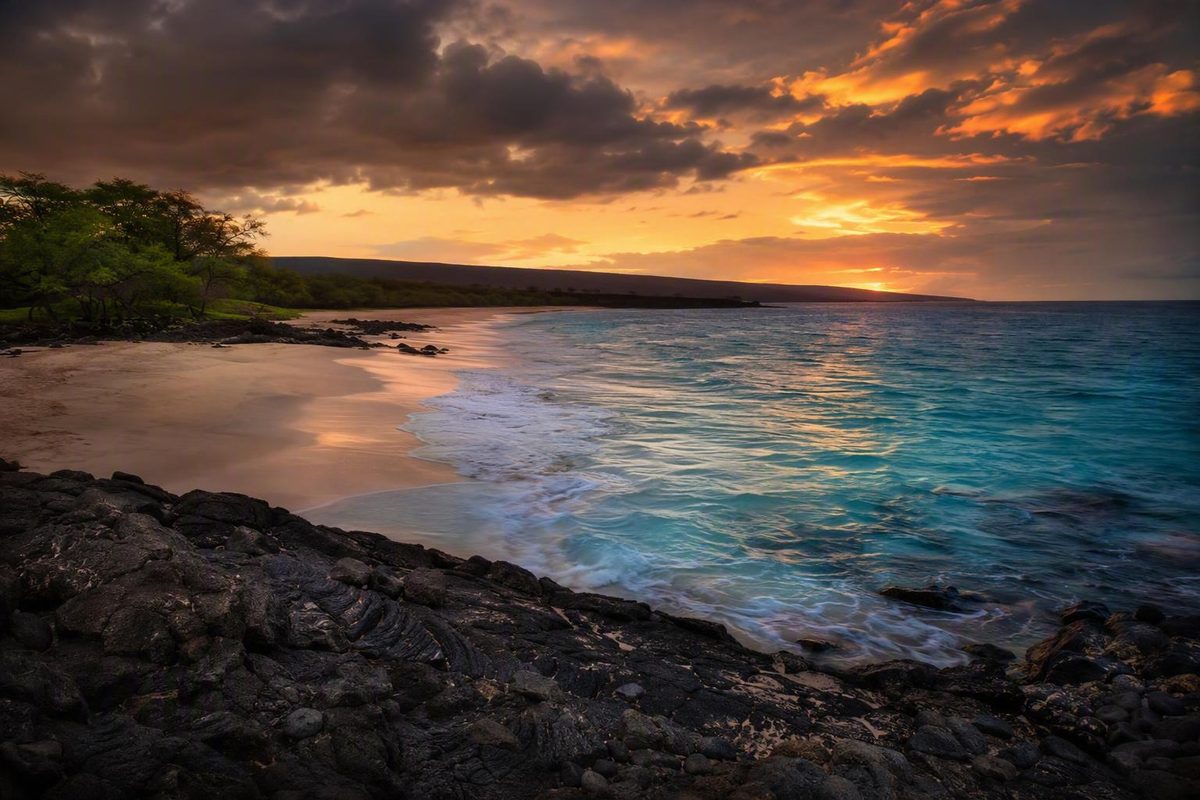
The short answer: Hāpuna is the best all-around choice for most visitors
If you can visit only one beach on Hawaiʻi Island, choose Hāpuna Beach State Recreation Area for a conventional beach day—provided access is open and the water is appropriate when you arrive.
Hāpuna is the strongest all-around recommendation because it combines a broad white-sand shoreline with room to walk, relax, swim, or bodyboard when conditions permit. Recent travel guides consistently report parking, restrooms, washing facilities, picnic space, and lifeguard stations, although operational details should be confirmed before departure. One family-focused guide describes Hāpuna’s long sand, large parking area, showers, covered picnic areas, and lifeguard presence in its review of family-friendly Hawaiʻi Island beaches.
“Best all-around” does not mean objectively most beautiful, permanently calm, or safest for every visitor. It means Hāpuna offers the most balanced combination of beach quality, recreation, access, and practical amenities. A secluded cove may be more scenic, a shallow reef may be better for snorkeling, and a protected ocean pool may suit a young child better.
The decisive qualification is the ocean. Large swells can create powerful shorebreak, while currents can make part or all of Hāpuna unsuitable for swimming. Hawaii visitor-safety guidance advises using lifeguarded beaches, checking signs and daily conditions, and staying out when the water looks rough, murky, or brown in its ocean and beach safety guidance. Posted warnings, barriers, current official reports, and instructions from an on-duty lifeguard override every ranking in this article.
If Hāpuna does not fit your goal, choose:
- Makalawena for solitude and undeveloped scenery
- Kahaluʻu Beach Park for accessible, beginner-oriented shore snorkeling
- Onekahakaha Beach Park near Hilo or Spencer Beach Park in Kohala for a family-oriented setting
- Punaluʻu for an accessible black-sand landscape and possible turtle viewing
- Papakōlea for green-sand geology and an exposed hike
- Kaunaʻoa, also called Mauna Kea Beach, for a resort-front white-sand crescent when public parking is available
Before leaving, check the current Hawaiʻi beach-hazard reports and confirm park access through the applicable state or county park authority. Fees, parking procedures, facilities, closures, and lifeguard coverage can change and should not be inferred from an older travel report.
How this guide was assessed: The recommendation compares beaches by shoreline setting, intended activity, access effort, reported amenities, and principal limitations. Official and local safety guidance governs hazard advice; personal and commercial travel guides are used only for bounded descriptions of beach character and visitor experience. The result is an editorial planning framework, not a safety rating.
Choose by priority: the Big Island beach decision guide
A beach that works for a full day on sand may be a poor snorkeling site. A productive reef may have no comfortable sandy entry. A spectacular green- or black-sand shoreline may be worth seeing even when entering the water is unwise.
The table below is a planning comparison, not a numerical score or guarantee. Facilities are listed only as commonly reported and may be unavailable when you visit. Confirm current access and operations before relying on them.
| Beach | Region | Setting or sand type | Best use | Access effort | Reported facilities | Principal limitation | Primary destination type |
|---|---|---|---|---|---|---|---|
| Hāpuna | South Kohala | Broad white sand | Most complete conventional beach day | Relatively straightforward from parking | Parking, restrooms, washing and picnic areas; lifeguard stations reported | Large surf, shorebreak, currents, crowds, limited shade | All-around beach day |
| Kaunaʻoa / Mauna Kea Beach | South Kohala | Resort-front white-sand crescent | Sand, swimming, and scenery when conditions allow | Easy after parking | Resort-adjacent setting; verify public provisions | Limited public parking can prevent access | Swimming and scenery |
| Makalawena | North Kona | Undeveloped white sand, coves, and lava | Solitude and scenery | Exposed walk over rough lava or another authorized approach | No dependable beach facilities | Heat, difficult footing, self-supported visit | Secluded beach day |
| Kahaluʻu Beach Park | Kona | Shallow reef and rocky entry | Beginner-oriented shore snorkeling | Short approach from parking | Park facilities commonly reported | Rocks, reef, crowds, and changing water | Snorkeling |
| Onekahakaha Beach Park | Hilo | Shallow, protected ocean pool | Young-child water play and picnicking | Straightforward park access | Family-oriented park amenities reported | Rocks, tides, slippery surfaces, ocean influence | Family |
| Spencer Beach Park | Kohala | Sandy beach with shade | Family beach day and picnic | Straightforward park access | Bathrooms, shade and picnic areas reported | Calmer-water potential is not a guarantee | Family and swimming |
| Maniniʻowali / Kua Bay | North Kona | White sand and exposed blue water | Convenient Kona-side beach day | Parking-lot access | Restrooms and showers reported | Crowds, parking pressure, strong waves | Swimming and beach day |
| Magic Sands / Laʻaloa | Kona | Small, changeable white-sand pocket | Quick stop, sunset, wave watching | Roadside or lot access | Restrooms, showers and lifeguard station reported | Forceful shorebreak; sand can disappear | Conditional swimming or sightseeing |
| Punaluʻu | Kaʻū | Black sand and palms | Photography, picnic, possible turtles | Direct from parking | Basic visitor facilities reported | Rough water and a strong-current concern | Sightseeing |
| Papakōlea | South Point / Kaʻū | Olivine-green sand | Geology, hiking, unusual scenery | Long, hot, exposed approach | No dependable facilities after setting out | Heat, access uncertainty, waves and currents | Hiking and sightseeing |
| Carlsmith Beach Park | Hilo | Lava-rock lagoon | Protected-water swimming or snorkeling | Straightforward park access | Restrooms, picnic space and grass reported | Rocky edges and continued ocean exchange | Family and snorkeling |
| Richardson Ocean Center | Hilo | Dark sand, lava rock, protected bay | East-side snorkeling | Straightforward park access | Parking, showers, restrooms and picnic space reported | Rocky terrain and changing currents | Snorkeling |
| Two Step / Hōnaunau Bay | South Kona | Lava shelf opening into deeper water | Snorkeling for capable swimmers | Short land approach, then rock entry | Limited conventional beach comfort | Immediate depth, surge, difficult exit | Snorkeling for capable swimmers |
The main tradeoffs are straightforward:
- Hāpuna wins on balance, not specialization. It offers the familiar sand-and-facilities experience without a hike or resort-controlled parking, but its exposed shoreline can receive serious surf.
- Makalawena wins on seclusion. Lower visitor volume comes with rough footing, heat, and no dependable beach amenities.
- Kahaluʻu wins for accessible shore snorkeling near Kona. Its reef and rocky entry make it a poor substitute for a sandy play beach.
- Onekahakaha and Spencer are family-oriented alternatives. Protected or comparatively sheltered water can reduce some exposure without eliminating rocks, tides, currents, or unexpected waves.
- Punaluʻu and Papakōlea win on distinctive scenery. Punaluʻu is the easier stop; Papakōlea should be planned as a hike rather than a casual beach visit.
- Kaunaʻoa competes with Hāpuna on classic scenery. Limited public parking makes it a less dependable first choice.
Why Hāpuna wins—and when it does not
Hāpuna most closely matches what many visitors picture when planning a beach day: a substantial strip of pale sand, enough room to walk or settle in, and water that may support swimming and bodyboarding when conditions are favorable.
That combination matters on Hawaiʻi Island. Many attractive coastlines consist of lava shelves, boulders, tide pools, narrow coves, or rocky entries. Some require exposed walks; others have constrained parking or few practical amenities. Hāpuna removes enough of those complications to become the most useful default for a mixed group.
The advantages that matter in practice
A broad sandy shoreline: Hāpuna supports a recognizable beach day rather than only a viewpoint, reef entry, or rocky swimming hole. Swimmers and non-swimmers can enjoy the same destination in different ways.
Flexible recreation: Walking, sitting, sunbathing, and playing on the sand require no snorkeling experience. Swimming and bodyboarding may add options when the water is suitable, but they are not the only reasons to visit.
Reported visitor facilities: Parking, restrooms, washing facilities, and picnic areas simplify a day involving towels, food, chairs, or children’s supplies. Because availability can change, confirm current state-park information rather than treating a travel guide as an operating notice.
Potential lifeguard guidance: A lifeguarded beach gives visitors an opportunity to request site-specific advice. Lifeguard presence does not make the ocean safe, and coverage should never be assumed, but on-duty guidance is valuable at an unfamiliar shoreline.
Where Hāpuna falls short
Hāpuna can be busy, particularly during desirable weather, weekends, and holidays. Its width helps distribute visitors, but parking and the atmosphere on the sand still vary. Shade may be limited, so arrive prepared with permitted sun protection rather than assuming a tree or shelter will be available.
Surf is the more important limitation. Travel accounts describe Hāpuna both as a family favorite and as a beach with powerful waves, shorebreak, and current concerns. Those descriptions can all be true because they reflect different days, seasons, abilities, and positions along the beach.
A photograph, yesterday’s review, or one visitor’s calm morning is not a forecast. Before unloading everything, read the signs and watch the shoreline. If waves are forcefully knocking people down, the water looks rough or discolored, or a restricted area has been marked, stay out.
If a lifeguard is on duty, describe the group’s abilities specifically. “Everyone can swim” is less useful than explaining that one adult is comfortable in open water, another is not, and a child has only pool experience.
Do not rely on older reports for admission charges, parking rules, concessions, facilities, or hours. Published travel sources conflict on Hāpuna’s fees, and operational details can change. Check current official park information before departure.
The right decision may be to enjoy Hāpuna from dry sand, have a picnic, or move to another beach. The ranking earns Hāpuna the first look—not an obligation to enter unsuitable water.
Hāpuna vs. Kaunaʻoa vs. Makalawena
These three beaches represent the central west- and northwest-coast choice:
- Hāpuna: convenient, flexible, and equipped for a conventional beach day
- Kaunaʻoa: classic resort-front scenery with uncertain public parking
- Makalawena: undeveloped character and relative solitude with a demanding approach
This is a comparison of logistics and experience, not a contest over which curve of sand is most beautiful.
Choose Hāpuna for the practical default
Hāpuna is the most broadly useful option for a mixed group arriving by rental car. It requires less access effort than Makalawena and does not depend on obtaining one of Kaunaʻoa’s limited public parking spaces.
It also preserves flexibility. If swimming is unsuitable but the beach remains open and conditions on land are acceptable, visitors can still walk, picnic, or spend time on the sand. That flexibility is weaker at a place visited primarily for snorkeling or reached after a hot hike.
Choose Hāpuna when:
- You want a substantial sandy beach rather than a lava entry.
- Restrooms and washing facilities matter.
- Some members of the group may remain out of the water.
- You value possible lifeguard guidance.
- You do not want access effort to dominate the outing.
The tradeoff is popularity and exposure to potentially significant surf.
Choose Kaunaʻoa for resort-front character
Kaunaʻoa, commonly called Mauna Kea Beach, is a scenic white-sand crescent in front of the Mauna Kea Beach Hotel. It supports classic beach recreation when the ocean cooperates, but its public access is less dependable than Hāpuna’s.
The official island tourism guide identifies Kaunaʻoa as hotel-adjacent and notes its limited parking in its overview of Hawaiʻi Island beaches. Public spaces can fill, delaying or preventing a visit.
Choose Kaunaʻoa when:
- Resort-front scenery matters more than access certainty.
- Your schedule is flexible.
- You have an easier-access backup.
- A failed parking attempt will not disrupt the day.
Confirm current public-access arrangements before driving there. Do not build a tightly scheduled itinerary around obtaining a limited space.
Choose Makalawena for prepared seclusion
Makalawena offers undeveloped scenery, coves, white sand, lava terrain, and fewer visitors than the most convenient beaches. That relative solitude is partly a result of the effort required to reach it.
Recent travel accounts describe a hot, exposed walk over rough lava and recommend carrying water and wearing suitable footwear; the beach itself has no dependable facilities. One such account details those tradeoffs in its Big Island beach comparison.
Do not assume a rough road is open, legally usable, or allowed under a rental agreement. Verify current park access and the rental contract. If those points are unclear, plan only around a currently authorized pedestrian approach.
Choose Makalawena when:
- Solitude and undeveloped scenery are the main goals.
- Everyone can complete the approach and return in heat.
- You can carry water, food, sun protection, and all waste.
- You do not need restrooms, showers, or concessions.
- You are prepared to turn around if access or conditions are unsuitable.
The decision rule is simple: Hāpuna for convenience, Kaunaʻoa for resort-crescent scenery despite parking uncertainty, and Makalawena for a self-supported outing.
Best choices for families and beginner snorkeling
Family swimming and beginner snorkeling are different needs. A shallow ocean pool may suit a young child but offer little reef exploration. A productive snorkeling site may have rocks, immediate depth, or no comfortable place to play on sand.
Choose for the least capable swimmer, not the most enthusiastic adult.
Onekahakaha for a Hilo-area family setting
Onekahakaha Beach Park has a shallow, protected swimming area and is commonly recommended as a family-oriented Hilo option. Its park format and manageable water-play focus can be more useful to families than a broad but exposed surf beach.
Protection does not remove every hazard. Keep young children within immediate reach and maintain active supervision.
Spencer Beach Park for a Kohala family picnic
Spencer Beach Park is a practical Kohala alternative associated with shade, bathrooms, picnic areas, and generally calmer-water potential. It may suit a family that values a picnic-centered day or finds Hāpuna too exposed.
“Generally calmer” is a comparison, not a promise. Inspect the water and follow posted guidance before anyone enters.
Hāpuna for sand and space—until surf removes the advantage
Hāpuna remains a strong family candidate because of its broad sand, room for different activities, reported facilities, and potential lifeguard guidance. It works especially well for groups containing both swimmers and people who prefer to stay ashore.
That advantage disappears when shorebreak becomes forceful. If waves are knocking adults down at the waterline, carrying a child into the impact zone is not an acceptable workaround.
Kahaluʻu for beginner-oriented snorkeling near Kona
Kahaluʻu Beach Park is the clearest recurring recommendation for accessible, beginner-oriented shore snorkeling near Kona. Its shallow reef places marine habitat close to shore, while the park setting is less logistically demanding than a remote cove. A Kona dive operator likewise distinguishes Kahaluʻu as a beginner option from deeper lava-entry sites in its comparison of Big Island beaches.
The entry is rocky. Move slowly, use an appropriate entry point, and avoid contact with coral.
Beginning snorkelers should remain within their comfort zone, use a buddy, and return before fatigue or anxiety develops. Do not depend on flotation equipment to make unsuitable water acceptable.
Why Two Step is not the automatic beginner choice
Two Step at Hōnaunau Bay uses a lava-shelf entry into deeper water. Capable snorkelers may value the direct access, but the site lacks the forgiving character of a conventional sandy beach.
Excellent underwater photographs do not establish beginner suitability. Anyone uncomfortable entering moving water from rock—or climbing back onto a lava shelf—should choose another location.
For any family or snorkeling outing:
- Match the site to the least capable swimmer.
- Keep young children within immediate reach.
- Snorkel with a buddy.
- Follow posted restrictions and on-duty lifeguard instructions.
- Leave the water before fatigue, anxiety, cold, or deteriorating visibility becomes a problem.
Black, green, and changing sand: beaches to see rather than assume you can swim
Hawaiʻi Island has pale, black, and olivine-green shorelines. Those colors explain why certain beaches are famous, but visual appeal says nothing about swimming suitability.
Treat an unusual-sand beach first as a geological and scenic destination. Make a separate decision about entering the ocean.
Punaluʻu: the accessible black-sand stop
Punaluʻu is the practical choice for seeing a famous black-sand landscape without a major hike. Direct parking-area access makes it suitable for photography, picnicking, and a scenic stop on a southern-island route.
Sea turtles may rest on or near the shore, but sightings are not guaranteed. If wildlife is present, give it space. Do not approach for a close photograph, obstruct its path, touch it, or offer food.
Punaluʻu should not be treated as a dependable swimming beach. Independent destination guidance describes rough water and a strong current through the boat channel while recommending the site for scenery and possible turtle viewing in its regional Big Island beach guide.
Papakōlea: green sand as a hiking destination
Papakōlea’s green appearance comes from olivine-rich material in its volcanic setting. The more important planning fact is its long, hot, exposed approach, with little shade and no dependable facilities after setting out.
Prepare as for a coastal hike. Carry drinking water, sun protection, suitable footwear, route information, and enough time to return without rushing. Every member of the group must be able to complete the outing under the day’s conditions.
Access arrangements can change. Do not assume off-road driving or an informal truck ride is authorized. Check current land-management rules and use only a permitted route. If authorized access is unavailable or conditions are unsuitable, do not improvise.
Papakōlea is primarily a geological and hiking destination, not a routine swimming recommendation. Waves, currents, difficult access, and remoteness magnify the consequences of a poor decision.
Magic Sands: a beach whose shoreline changes
Magic Sands, or Laʻaloa Beach, shows that sand coverage is not fixed. Strong or seasonal surf can remove much of the visible sand and expose lava rock, changing the available space, entry, and usefulness of the beach.
Its Kona location is convenient, but the beach is small, parking is limited, and shorebreak can be forceful. Depending on the day, it may work better as a sunset or wave-watching stop than as a full swimming outing.
The same wildlife rule applies everywhere: turtles, monk seals, and other animals may appear, but sightings are never promised. Give wildlife room to rest and move without being surrounded.
Plan by coast so the beach does not consume the whole driving day
Hawaiʻi Island is large enough that the highest-ranked beach can be the wrong choice if it lies far from your accommodation and the rest of your itinerary. Choose by region before choosing by reputation.
Check the day’s route, road conditions, closures, parking arrangements, and park access before leaving. Avoid planning around an old exact drive time; traffic, weather, construction, and your starting point can all change the trip.
Kohala: the strongest area for a classic white-sand day
For visitors staying near Waikoloa, the Kohala resorts, or Waimea, Hāpuna is the practical first candidate. Kaunaʻoa is the resort-front alternative, subject to limited public parking. Spencer Beach Park offers a more family- and picnic-oriented option, while Waialea may be worth considering when shade is a priority and current access permits.
Kohala has the island’s strongest concentration of familiar white-sand beach experiences. That does not mean every beach will be calm, available, or uncrowded. Keep a nearby second choice rather than committing the day to one parking lot.
Kona: choose among snorkeling, white sand, and convenience
Kona-area options divide naturally by purpose:
- Kahaluʻu for accessible shore snorkeling rather than a broad sandy beach.
- Kua Bay, officially Maniniʻowali Beach, for white sand and direct parking-area access, with crowd, shade, parking, and wave limitations.
- Magic Sands for urban convenience, a short visit, or sunset, subject to changing sand coverage and shorebreak.
- Two Step for capable snorkelers comfortable with a lava entry and deeper water.
- Makalawena for a dedicated, self-supported outing rather than a spontaneous stop.
Hilo: lagoons, coves, and rocky snorkeling settings
Hilo-area recreation centers more on lagoons, lava-rock coves, tide pools, grassy parks, and protected bays than on long resort-style white-sand beaches.
- Onekahakaha is the clearest family-oriented option for shallow protected water.
- Carlsmith offers lagoon-style swimming and snorkeling beside lava rock rather than a conventional sandy shore.
- Richardson is the more snorkeling-focused choice in this group, with dark sand, lava formations, and a protected bay.
These parks may make more sense than crossing the island solely for a west-side beach, particularly when the goal is a short swim, picnic, or snorkel rather than an all-day white-sand experience.
The south: sightseeing first
Punaluʻu is a logical southern sightseeing stop because its black-sand landscape can be reached without a major hike. Plan for photography, picnicking, and possible wildlife observation—not a promised swim.
Papakōlea is a preparation-intensive outing rather than a quick addition to a South Point drive. If the group is not equipped and enthusiastic about an exposed hike, choose another scenic stop.
Whenever parking or water conditions could invalidate the first choice, identify a nearby, easier backup before departure.
Use same-day conditions—not a ranking—to make the final call
A beach ranking can help determine where to drive. It cannot decide whether anyone should enter the water after arrival.
Before departure
Run through this checklist:
- Review current official ocean-hazard information for the relevant coast.
- Check the weather and surf outlook.
- Confirm park access, closures, and parking arrangements.
- Check whether lifeguard coverage is expected without assuming a schedule or presence.
- Select a nearby backup beach or non-water activity.
- Pack drinking water, sun protection, food, medication, and suitable footwear.
- Tell someone your plan before an exposed hike or less-developed outing.
Current conditions matter more than generic seasonal descriptions. A beach associated with calmer water during one season can still be rough on a particular day.
On arrival
Before unloading every chair and cooler:
- Read all signs, flags, and notices.
- Respect barriers and restricted areas.
- Watch the water before entering.
- Note powerful shorebreak, irregular wave sets, rapid movement alongshore, or distressed swimmers.
- Stay out of rough, murky, or brown water.
- Ask an on-duty lifeguard which area, if any, suits your group.
- Reassess if conditions change.
Snorkelers should use a buddy and monitor their position rather than drifting while focused on marine life.
Safety does not end at the waterline
Dry sand can be inundated by rising surf, and shorebreak can knock down people standing at the edge. Wet rocks, ledges, cliffs, crevices, and shoreline structures can be slippery or exposed to unexpected waves.
Do not turn your back to the ocean for a photograph. Follow fences, signs, and barriers even when other visitors ignore them. Hawaii Ocean Safety advises remaining alert to waves and tides on the sand, avoiding slippery shoreline features, and calling 911 rather than attempting an untrained rescue if someone is swept into the ocean in its official shoreline-safety guidance.
If the water looks rough or unclear, a barrier is in place, or you are uncertain, do not enter. Choose another beach or switch to a walk, picnic, viewpoint, or other land-based activity.
Frequently asked questions
Is Hāpuna Beach always safe for swimming?
No. Hāpuna is the best all-around recommendation because of its sand, space, practical access, reported facilities, and potential lifeguard guidance—not because it is always safe.
Large swells can create powerful shorebreak, and currents may make part or all of the beach unsuitable. Check official conditions, read the signs, observe the water, and ask an on-duty lifeguard before entering. If conditions look forceful or uncertain, stay out.
Is Hāpuna or Makalawena better?
Choose Hāpuna for convenience, broad sand, reported facilities, possible lifeguard guidance, and a conventional full beach day.
Choose Makalawena for relative solitude and undeveloped scenery, but only if everyone is prepared for heat, rough footing, an exposed approach, and no dependable beach facilities. Verify current access and do not assume a rough road is authorized or permitted by a rental agreement.
For most first-time visitors, Hāpuna is the better default. For prepared visitors who value seclusion over convenience, Makalawena may be more rewarding.
What is the best Big Island beach for young children?
There is no permanent answer because children’s abilities and ocean conditions differ. Onekahakaha Beach Park is a strong Hilo-area option because of its shallow, protected setting. Spencer Beach Park is a practical Kohala alternative associated with shade and picnic amenities. Hāpuna works well for sand and space when the surf is suitable.
At any beach, choose for the least capable swimmer and keep young children within immediate reach. Shallow or protected water is not hazard-free.
What is the best beach for beginner snorkeling near Kona?
Kahaluʻu Beach Park is the strongest recurring choice for beginner-oriented shore snorkeling near Kona. Its shallow reef is comparatively accessible, although the entry is rocky and conditions still change.
Use a buddy, stay within your comfort zone, avoid coral contact, and follow posted or lifeguard guidance. Water shoes may help with rocky footing but provide no protection from currents, surf, or surge.
Two Step is not an automatic substitute. Its lava-shelf entry leads into deeper water and better suits snorkelers comfortable with rock entry and exit.
Can you swim at the Big Island’s black- and green-sand beaches?
Sand color does not establish swimming suitability.
At Punaluʻu, recurring current concerns make sightseeing, photography, picnicking, and possible turtle viewing better default plans than swimming.
At Papakōlea, the exposed hike, remote setting, waves, and currents make it primarily a geological and hiking destination. Do not plan the outing around entering the water.
For the most complete conventional beach day, start with Hāpuna. Choose Makalawena for prepared seclusion, Kahaluʻu for beginner-oriented shore snorkeling, Onekahakaha or Spencer Beach Park for a family-focused setting, and Punaluʻu or Papakōlea primarily for distinctive scenery. Ultimately, the best beach on the Big Island is the one that fits your location and abilities—and has acceptable same-day conditions under current official reports, posted warnings, barriers, and lifeguard guidance.