
Who Will Love the Hana Highway—and Who Should Choose Another Maui Day
Usually yes for active sightseers, but plan on roughly 10-12 hours. Your start, stops, traffic and turnaround choice can shift the schedule.
The short verdict: worth it for the right traveler, not for everyone
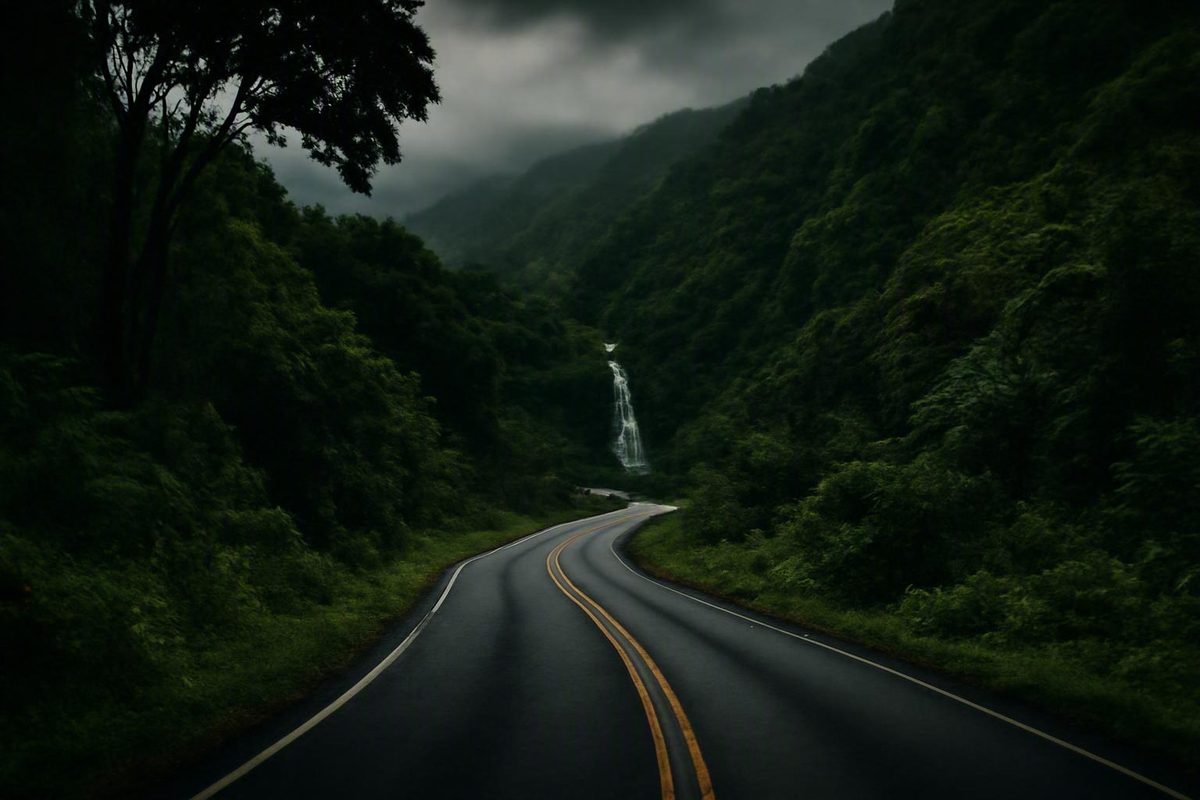
Is the Road to Hana worth it? Usually, yes—if you want an active day of rainforest, waterfalls, beaches, walks, and exploratory stops, and you are comfortable spending much of the day on a winding road. It may not be worth it if your ideal Maui day is restful, your itinerary is short, or prolonged car time and repeated curves are likely to overshadow the scenery.
The evidence is favorable but not unanimous. Many firsthand accounts describe the journey as a Maui highlight. Yet one experienced road-tripper found East Maui beautiful while concluding that traffic, stressful driving, scarce pullouts, and limited ocean views made the route feel overrated. He was glad to have done it once but would not repeat it—a useful counterpoint to claims that every visitor must go. Read the dissenting firsthand account.
The Road to Hana is also easy to misunderstand. Its value lies primarily in the journey and the stops, not in the satisfaction of reaching Hana town. Rainforest walks, coastal landscapes, waterfalls, beaches, parks, food stands, and waysides provide the payoff. If you rush past them to reach the town, the trip can feel like an exceptionally long drive to a modest endpoint.
Use this quick fit test:
| Your priority or concern | Best choice |
|---|---|
| Rainforest, waterfalls, beaches, walks, and a full day of exploration sound exciting | Full self-drive |
| The attractions appeal, but navigating curves, bridges, traffic, and parking does not | Guided tour |
| You want selected scenery without committing the entire day | Partial drive with a planned turnaround |
| Longer hikes and unrushed stops matter more than minimizing cost | Overnight self-drive |
| Motion sickness, car fatigue, crowds, or losing a full Maui day are deal breakers | Skip it and choose another activity |
A full trip is most likely to feel worthwhile when everyone accepts that the road is part of the challenge, not merely transportation between attractions. The driver should be comfortable maintaining sustained attention, passengers should tolerate repeated curves, and the group should agree in advance that missing several possible stops is normal.
Daily conditions can change the verdict. Rain can strengthen waterfall flow while reducing visibility or making outdoor stops less appealing. Dry weather can leave anticipated falls underwhelming. Congestion and unavailable parking can remove stops from the itinerary. One family’s positive account also describes variable waterfall conditions, while a reader reported being unable to use some full parking areas. That mixed firsthand experience illustrates why the payoff cannot be guaranteed.
The honest conclusion is not that every Maui visitor should drive the Road to Hana. It is that scenery-oriented travelers should seriously consider doing it once—provided the day’s demands fit their interests, stamina, schedule, and tolerance for uncertainty.
What makes the drive worth the effort
The Road to Hana combines several kinds of East Maui scenery in one outing: dense rainforest, waterfalls, rugged coast, beaches, short walks, longer trails, small food stops, and overlooks. Its appeal comes from variety. One stop may offer a rocky shoreline, the next a forest walk, and the next a waterfall or snack stand.
That rhythm makes the route better suited to active sightseers than to travelers seeking an effortless scenic cruise. Much of the satisfaction comes from parking where permitted, leaving the car, exploring, and repeating the process. If every transition out of the vehicle feels inconvenient, the road may become tedious. If each stop feels like a new discovery, the same day can feel unusually rich.
Recurring highlights include:
- Waiʻanapanapa State Park, known for its dark volcanic-sand coastal setting
- Keʻanae Peninsula, where the attraction is coastal scenery rather than a major hike
- Hamoa Beach, frequently remembered favorably in traveler accounts
- Waterfalls and waysides, when conditions and permitted access cooperate
- The Kīpahulu area, which can anchor a hiking-focused itinerary
- Roadside food, which adds character but should not be treated as reliably available
Waiʻanapanapa receives particularly consistent praise for its combination of black sand, lava coastline, vegetation, and ocean. In one family account, a self-drive lasting more than 13 hours placed Waiʻanapanapa first and Keʻanae Peninsula close behind. That ranking reflects one family’s preferences, but the length of the outing also shows how quickly a stop-filled day can expand. See the family’s itinerary and assessment.
Do not expect continuous ocean panoramas through the windshield. Significant portions of the highway pass through vegetation and rainforest, and the driver will often be concentrating on the next curve or crossing rather than looking outward. Coastal views arrive in intervals, and some require leaving the main road or walking from an appropriate parking area.
Waterfalls are variable as well. A photograph taken after abundant rain does not promise the same scene during a dry period. Wet conditions may improve the appearance of a waterfall while making a trail or outdoor stop less enjoyable. Poor visibility can also diminish views that looked dramatic in someone else’s account.
A mixed itinerary is therefore more resilient than one based entirely on waterfalls. Combine a coastal stop, a rainforest or waterfall stop, a beach or park, and—if appropriate—one longer walk. If one attraction disappoints or cannot be used, the outing still has a purpose.
The central scenic advantage is not one singular sight. It is the accumulation of contrasting environments and short experiences. Travelers who appreciate that stop-focused rhythm are the people most likely to find the effort worthwhile.
What the Road to Hana actually takes out of your day
Treat the Road to Hana as a full-day excursion, not a routine drive to a town. One planning guide estimates approximately 10 to 12 hours for a sightseeing day, depending on the starting point, stops, traffic, and turnaround choice. That estimate is a planning range, not a guaranteed schedule.
Firsthand outings can run longer. The family itinerary noted above exceeded 13 hours, while other accounts describe trips occupying nearly all available daylight. The useful conclusion is not that every journey lasts the same amount of time, but that a stop-filled itinerary can consume an entire Maui day.
The schedule expands because almost every part of the trip takes longer than it appears on a map:
- Traffic moves slowly through repeated curves.
- One-lane bridges may require waiting.
- A full parking area can force a search or a skipped stop.
- Photographs, meals, swimming, and short walks accumulate.
- A substantial hike can occupy a large part of the day.
- Restroom and regrouping stops add time.
- The return to accommodations elsewhere on Maui may remain lengthy after sightseeing ends.
Published mileage, curve, and bridge counts differ because sources use different starting points, endpoints, and definitions of the route. Those discrepancies matter less than the practical reality: this is sustained low-speed travel with frequent turns, constricted crossings, and repeated stops.
The driver also carries a different burden from the passengers. Passengers can look through the trees or watch for waterfalls; the driver must concentrate on the road, approaching traffic, crossings, pedestrians, signs, and vehicles entering or leaving stopping areas. Even when the route feels manageable, it may not feel relaxing.
Switching drivers can distribute the mental load when both people are comfortable with the road and authorized to operate the vehicle. It does not eliminate the need for attention or careful time management.
Common value reducers include:
- Motion sickness: The curves can be unpleasant for sensitive passengers.
- Slow traffic: Progress may be much slower than expected.
- Parking pressure: A desired attraction may not have an appropriate available space.
- Rain or poor visibility: Outdoor stops and views can lose appeal.
- Missed entrances: Weak reception and subtle turnoffs can complicate navigation.
- Fatigue: The return often feels harder than the outbound journey.
- Limited connectivity: Offline navigation is prudent because route guides report unreliable cellular coverage in parts of the drive.
A detailed route guide recommends treating the outing as a full-day commitment, preserving daylight, using offline navigation, and limiting the itinerary to a few principal attractions. Its planning guidance also explains why nonstop drive time is a poor basis for scheduling the day.
Opportunity cost is the final expense, even when no additional money changes hands. The trip may replace a beach day, snorkeling outing, Haleakalā visit, resort day, or another Maui excursion. The evidence does not establish an objectively superior choice. The relevant question is whether an active scenic road trip ranks above those alternatives for your group.
On a longer Maui stay, committing one day to the route may be easy to justify. On a short visit, apply more scrutiny. Do not choose the Road to Hana merely because it appears on generic checklists. Choose it because its particular combination of scenery, walking, and road-based exploration is more appealing than what you would give up.
Who should go—and who should reconsider
The Road to Hana is best suited to travelers who enjoy active scenic days rather than passive transportation. A strong candidate usually likes several of the following:
- Rainforest landscapes
- Waterfalls and rocky coastlines
- Beaches with distinctive settings
- Short walks or longer hikes
- Roadside food and unscripted stops
- Flexible itineraries
- Early starts and long days
- Scenic driving that requires concentration
Hikers may receive more value than drive-only visitors, but they face the sharpest time tradeoff. A substantial trail should be the center of the itinerary, not another item added to an already crowded checklist. Combining a major hike with numerous beaches, parks, and waterfall stops is likely to produce rushing or a late return.
Travelers who should reconsider include people with significant motion sensitivity, nervous or inexperienced drivers, anyone who strongly dislikes extended car days, and visitors who need a restorative day. A tour may solve the driving problem, but it does not remove the curves or the time spent inside a vehicle.
Short-stay visitors should be especially deliberate. Ask each traveler to identify the Maui experience they would most regret missing. If the answers center on snorkeling, beach time, Haleakalā, or relaxing together, the Road to Hana may not deserve the day. If the answers are rainforest, waterfalls, hiking, and a memorable drive, it probably does.
Families
Families with young children and teenagers have completed and enjoyed independent drives, but those accounts demonstrate feasibility rather than universal suitability. A child who enjoys hiking, frequent novelty, and car travel may have a very different experience from one who becomes carsick, dislikes early starts, or needs predictable meals and breaks.
Parents should assess their own children’s tolerance for curves, long transitions, wet clothing, schedule changes, and skipped stops. Fewer priorities are usually more useful than an ambitious checklist. A partial route or overnight stay may deliver more enjoyment than proving that a full drive can fit into one day.
Mobility and physical demands
The road can be experienced from a vehicle, but many attractions are not simple curbside viewpoints. Depending on the selected stop, visitors may encounter stairs, rocks, roots, mud, uneven ground, or longer trails. One firsthand account specifically describes stairs at Waiʻanapanapa and notes potential accessibility difficulty. Review that account only as an example, then verify present conditions for each selected destination.
Do not infer accessibility from a photograph or a broad “easy stop” label. Distinguish between entering a park, reaching a viewpoint, accessing a shoreline, and completing a trail. Before departure, check current official accessibility and closure information for each place you intend to visit.
A partial itinerary built around suitable viewpoints may offer better value than a full route whose principal stops do not match the group’s mobility needs.
Motion sensitivity
Plan for sustained curves rather than an occasional winding segment. Choose seating based on the traveler’s prior experience, keep the itinerary flexible, and take breaks only where stopping is permitted.
Anyone considering motion-sickness medication should seek individualized advice from a qualified healthcare professional and follow the product label. The trip should fit the least comfortable traveler in the group, not merely the most enthusiastic one. A day that leaves one passenger persistently unwell is unlikely to feel worthwhile, however impressive the scenery.
Full self-drive, guided tour, overnight stay, or partial route?
There is no universally best format. The right choice depends on whether the limiting factor is driving stress, time, cost, stamina, or the desire for longer stops.
| Option | Main advantages | Main disadvantages | Best for |
|---|---|---|---|
| One-day self-drive | Control over stops, pace, food, and turnaround; potentially lower cost | Navigation, parking, time management, and driver fatigue | Confident drivers who value flexibility |
| Guided tour | No driving burden; less planning; commentary and logistics may be included | Higher cost, preset itinerary, group pace, and substantial vehicle time | Travelers who want the sights but not the driving |
| Overnight self-drive | Less rushing and more time for hikes, parks, and beaches | Lodging expense, another travel day, and potentially limited evening choices | Travelers prioritizing depth over efficiency |
| Partial-route turnaround | Smaller time commitment and less fatigue | Misses later-route attractions and does not reach Hana | Short stays, uncertain travelers, and motion-sensitive groups |
One-day self-drive
Self-driving provides the most control. You can prioritize a hike, leave an underwhelming stop quickly, linger where conditions are favorable, bring your own food, and turn around when the group has had enough. It may cost less than buying several tour seats, although any comparison must use current prices for fuel, admissions, reservations, food, and rental arrangements.
That freedom comes with responsibility. Someone must navigate, monitor time, identify permitted parking, and make difficult decisions when the schedule slips. The driver cannot fully enjoy the scenery while the vehicle is moving. A self-drive works best when the group accepts a firm priority list and never pressures the driver to stop abruptly.
Guided tour
A tour transfers the driving and much of the logistical burden to an operator. Everyone can look outward, and a knowledgeable guide may add cultural, historical, and practical context. This option is attractive when the sights appeal but nobody wants to manage the road.
A tour is not automatically comfortable or good value. It remains a long day on a winding route. Traveler reviews describe knowledgeable guides and memorable scenery, but also cramped seating, extensive van time, rushed stops, operational problems, and mismatched expectations. The mix of positive and negative reviews shows why the operator, vehicle, group size, itinerary, and actual stop duration matter.
Before booking, ask:
- Which stops are planned, and which depend on conditions?
- How much time is normally allowed at the principal stops?
- What type of vehicle is used?
- How many passengers are carried?
- Are seat requests possible?
- Are meals, park arrangements, or hotel transfers included?
- Does the tour return conventionally or continue beyond Hana?
- What happens if weather or road conditions change?
- Can the schedule accommodate a meaningful hike?
Do not assume a tour prevents motion sickness. It removes the driving task, not the curves or the time spent in a vehicle.
Overnight self-drive
An overnight stay addresses the problem that most damages one-day itineraries: rushing. Splitting the route allows longer walks, more flexibility when a parking area cannot be used, and a less fatigued return. It is particularly attractive when Kīpahulu or another substantial activity is a priority.
The tradeoffs are additional lodging and meal costs, another vacation day committed to East Maui, and potentially fewer evening or dining choices than in Maui’s larger resort areas. Compare current options rather than relying on historical prices or old business listings.
Choose an overnight for pacing and access—not because it guarantees better weather, easier parking, or more attractions.
Partial-route turnaround
A partial drive is not a failed Road to Hana trip. It is a deliberate way to experience some of the route’s rainforest and coastal character while preserving time and energy. Hoʻokipa, Twin Falls, and Keʻanae are illustrative anchors, but their current access, operating conditions, and parking arrangements must be checked before relying on them.
Set the intended turnaround point before leaving and resist adding “just one more” stop. A partial route works because it limits commitment. If it gradually becomes an improvised full drive, it loses its central advantage.
Avoid definitive cost comparisons among the four options. Tour rates, lodging prices, fees, food, and fuel change. Build a realistic version of each itinerary and compare current total costs only then.
Choose three or four priorities, not every stop
The fastest way to make the Road to Hana feel overrated is to treat it as a collection exercise. There are more possible stops than one day can comfortably accommodate. A detailed route guide recommends selecting approximately three or four principal attractions rather than attempting everything. That limited-priority approach is more realistic for a full-day drive.
A balanced shortlist might include:
- Waiʻanapanapa State Park for the black-sand coastal setting
- Keʻanae Peninsula for a contrasting coastal landscape
- One permitted waterfall, wayside, or short rainforest stop
- Kīpahulu or the Pīpīwai Trail for travelers prepared to make hiking the day’s anchor
Hamoa Beach is another frequently appreciated possibility. Include it according to the day’s route and verified current information, without assuming that access, parking, water conditions, or swimming suitability will match an older traveler report.
The Pīpīwai Trail belongs in a different planning category from a roadside photograph. A route guide describes it as a four-mile round trip requiring roughly two to three hours, so it should replace several shorter stops rather than be squeezed between them.
Hana town need not occupy much of the itinerary unless you have a specific reason to spend time there. For many travelers, the journey and surrounding attractions deliver the main value. The town can function as a route marker, meal opportunity, or overnight base rather than the climax of the day.
Organize the plan in three levels:
- Must-do: One or two stops that justify the trip for your group
- Optional: Attractive stops to use if time, weather, and parking cooperate
- Skip-if-full: Places that are not worth waiting, backtracking, or stopping improperly to reach
This ranking keeps one unavailable parking area from derailing the day. If the first choice cannot be used, continue to the next priority instead of circling, obstructing traffic, entering private property, or improvising a stopping place.
Before departure, use current official information to verify whether reservations are required, which areas are open, what access rules apply, and what physical demands are involved. In particular, do not assume walk-up entry at Waiʻanapanapa. Check the official park information for current reservation requirements, entry procedures, fees, closures, and parking instructions before fixing the rest of the itinerary.
A good plan is not the one that names the most places. It is the one that provides enough time outside the car to understand why you made the drive.
Do not treat the main highway and the road beyond Hana as the same drive
The conventional approach to Hana and the more remote road beyond it are separate planning decisions. Combining them under the single phrase “Road to Hana” obscures meaningful differences in road character, isolation, turnaround options, and possible vehicle-contract restrictions.
For most first-time visitors, the conventional out-and-back approach is the simpler default. It still involves curves, narrow areas, one-lane bridges, traffic, and fatigue. But it avoids assuming that continuing beyond Hana is merely more of the same.
Third-party guides describe portions beyond Hana as narrower, more isolated, and unpaved in places. An older traveler review likewise described the section beyond Hamoa Beach as markedly more difficult than the main approach, with blind curves and damaged road edges. Because that review concerns a 2008 trip, it demonstrates only that the segments can differ; it is not a current road report. Read the historical account with that limitation in mind.
Completing a loop can add substantial time. Whether a particular road is permitted under a rental agreement depends on the contract attached to the actual vehicle. Do not substitute a blog’s generalization about rental companies for the written terms you accepted.
This article does not establish that the back-side route is currently open, safe, suitable for a given vehicle, or permitted. Before considering it, verify:
- Current official road notices and closures
- Weather and flood alerts
- Available daylight
- The exact rental contract and prohibited-road terms
- Vehicle condition and fuel
- The driver’s comfort with remote, narrow, or unpaved sections
- Whether turning around remains practical
A commercial route guide also advises treating the back side as a distinct, remote drive and describes unpaved sections and major potholes. That is general planning guidance, not a live statement of road status. Current official notices must take priority.
If road status, weather, daylight, rental terms, or driver confidence are uncertain, return conventionally. Completing a loop adds little value if the decision requires ignoring the information available on the day.
The planning checklist that protects the day’s value
Good planning cannot guarantee favorable weather, flowing waterfalls, clear views, or available parking. It can prevent avoidable problems from consuming the day.
Before leaving
- Depart early. Preserve a meaningful daylight buffer rather than planning around a guaranteed return time.
- Fuel before the route. Do not rely on a particular station being available later.
- Download navigation and essential information. Assume connectivity may become unreliable.
- Carry food and water. Roadside vendors and their hours should not be treated as guaranteed.
- Review the vehicle and rental terms. Give special attention to any proposed travel beyond Hana.
- Select a short priority list. Decide in advance which stop will be dropped first.
- Set a turnaround rule. Base it on remaining daylight, current conditions, and driver fatigue.
Pack for the actual stops
Bring footwear suited to the selected terrain, rain protection, sun protection, food, water, and any swimming supplies genuinely needed by the itinerary. A dry change of clothes and a bag for wet items can make the return more comfortable.
Do not pack as if every possible activity will happen. Carrying gear for a long hike, several swims, and numerous roadside stops does not make that schedule realistic.
Check Waiʻanapanapa before building the day around it
Do not reproduce reservation details from an old article or screenshot. Use current official park information to determine whether advance booking is required and to verify entry procedures, fees, parking rules, accessibility information, and closures.
If the park uses timed entry when you visit, that time becomes the itinerary’s fixed point. Arrange the flexible stops around it rather than hoping to fit it into an already crowded schedule.
Make same-week and same-day checks
Review current official information for:
- Road closures and construction
- Weather and flood alerts
- Park and trail access
- Reservation requirements
- Rental restrictions
- Daylight
- Notices affecting selected attractions
The Road to Hana is poorly suited to an itinerary copied months earlier and followed without adjustment.
Have a parking contingency
If an appropriate space is unavailable, continue to the next priority. Do not wait in a traffic lane, block access, enter private property, or use an area where stopping is not permitted. Travel guides consistently advise using designated parking and skipping full stopping areas rather than forcing the stop. That approach protects both the schedule and the road.
This is another reason to rank attractions instead of treating every place as compulsory. The flexible traveler loses one stop; the rigid traveler may lose substantial time and create a problem for others.
Have a weather contingency
If official alerts, heavy rain, poor visibility, muddy conditions, or current closures undermine the original plan, shorten the route or substitute simpler stops. Do not bypass a closure or warning because an older photograph shows people beyond it.
A stronger-looking waterfall does not automatically mean the surrounding conditions are suitable for the planned activity.
Have a fatigue contingency
If the driver is tiring earlier than expected, turn around. Do not sacrifice the daylight buffer to preserve the final attraction on the list. The return still contains the same winding road and constrained crossings encountered on the outbound journey.
Use respectful road behavior
Park and stop only where current signs and rules permit, remain off private property, and follow closures. Avoid abrupt stops. If faster traffic accumulates behind you, allow it to pass only at a place where doing so is both safe and permitted.
The best preparation is not a minute-by-minute itinerary. It is a short priority list supported by current information, offline tools, a daylight margin, and permission to change the plan.
Frequently asked questions
Is the Road to Hana dangerous for an average driver?
The conventional route is demanding but has been described as manageable by many cautious, confident drivers. That is experiential guidance, not an official safety determination. One family account found it reasonable with slow, attentive driving while acknowledging curves, blind corners, rain, bridges, and tight stopping areas. Their experience should not be treated as a guarantee for another driver or another day.
A driver who is comfortable on winding roads may experience the route very differently from someone who is nervous, distracted, or already fatigued. Check current official road and weather information before leaving. Treat the road beyond Hana as a separate decision.
How long should I allow for the Road to Hana?
Allow a full day for a stop-focused trip. One planning guide estimates approximately 10 to 12 hours with sightseeing, although the result can be shorter or longer depending on the starting point, turnaround, traffic, parking, and chosen activities. Use the estimate as a planning range rather than a promise.
If you cannot preserve a daylight buffer while allowing time outside the car, choose a partial route.
Is it better to drive the Road to Hana or take a guided tour?
Drive yourself if flexibility is the priority and your group has a confident driver. A self-drive gives you control over stops, food, pace, hikes, and the turnaround point.
Choose a tour if avoiding navigation, parking decisions, and driver fatigue matters more than controlling the itinerary. Compare the vehicle, group size, planned stops, stop duration, route, inclusions, and recent reviews. A tour removes the driving task, not the curves or vehicle time.
Is staying overnight in Hana worth it?
It can be, especially if you want a substantial hike, longer park or beach visits, or a less fatigued return. Splitting the route also provides more flexibility when weather or parking changes the first day’s plan.
The tradeoffs are lodging expense, another vacation day committed to East Maui, and potentially fewer dining or evening options than in larger resort areas. It is most worthwhile for travelers who value depth and pacing.
Can I experience part of the Road to Hana without driving all the way to Hana?
Yes. A planned partial drive can provide rainforest, coastal scenery, and selected early-route attractions without consuming the full day. Hoʻokipa, Twin Falls, and Keʻanae are possible anchors, subject to verified current access and parking conditions.
Choose a fixed turnaround point and a short priority list before leaving. Reaching Hana is not required to appreciate the journey.
The final decision rule is simple: take the Road to Hana if a long, active day of rainforest, beaches, waterfalls, walks, and selected stops sounds better than a relaxed Maui day. Choose a tour if the attractions appeal but the driving does not. Choose a partial route or overnight stay if time or fatigue is the concern. Skip it without regret if prolonged curves, crowds, or sacrificing a full vacation day outweigh the likely scenic payoff.
The best version is not the one with the most stops. It is the one matched to your interests, stamina, driving confidence, and the conditions you actually encounter.