
Understanding what does service engine soon mean
A flashing light is widely treated as urgent, while a steady light on a normally running car is often less urgent but still worth diagnosing soon.
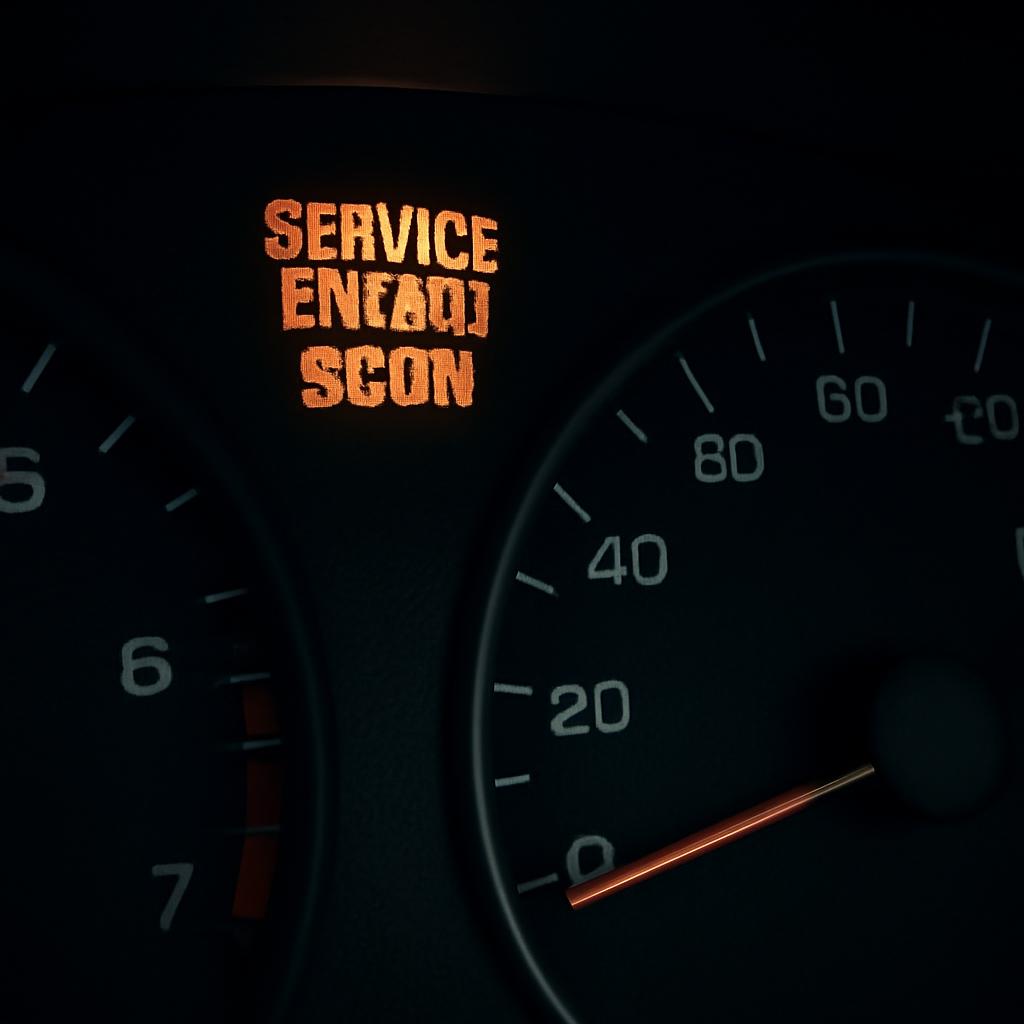
If you are asking what does service engine soon mean, the most useful short answer is: your vehicle is asking for attention soon, but the exact meaning depends on the make, model, year, and dashboard system. General guides often describe it as either a maintenance reminder or a lower-priority warning, while Nissan-specific guidance says that on many Nissans, “Service Engine Soon” is simply the same malfunction indicator lamp as “Check Engine.” wikiHow’s overview of the Service Engine Soon light Empire Nissan’s Nissan guide to Service Engine Soon vs. Check Engine Light
That difference matters. If your car uses the light as a routine service reminder, the next step may be to schedule maintenance. If your car uses it as an engine or emissions fault light, the next step is diagnosis, not just an oil change. BMW-focused guidance in this source set treats “Service Engine Soon” as a maintenance reminder distinct from the check engine light, while Nissan-focused guidance says the wording often refers to the same engine/emissions fault lamp. Auto Scandia’s BMW explanation of Check Engine vs. Service Engine Soon Empire Nissan’s Nissan-specific explanation of the SES/MIL light
So the practical goal is not to memorize one universal definition. It is to answer three questions about your car:
- Is this light a maintenance reminder or a fault warning?
- Is it steady or flashing?
- Is the car otherwise driving normally or showing symptoms?
Those three questions tell you what to do next far better than the words on the dash alone. A flashing light is widely treated as urgent, while a steady light on a normally running car is often less urgent but still worth diagnosing soon. Empire Nissan’s Nissan guide to steady vs. flashing SES behavior wikiHow’s explanation of steady versus flashing Service Engine Soon warnings
What what does service engine soon mean means
In practical terms, “Service Engine Soon” means your car wants service attention soon, but not necessarily for the same reason on every vehicle. That is the core point to keep in mind.
Across the sources, there are two main interpretations:
- Maintenance reminder: Some articles describe the light as a reminder for scheduled work such as oil service, air filter replacement, or fluid service. Tunerworks’ comparison of Service Engine Soon and Check Engine STS Quality Auto Care’s explanation of SES as a maintenance reminder Auto Scandia’s BMW-specific explanation
- Fault warning: Other sources describe it as an engine, drivetrain, or emissions-system alert that stores a fault code and needs diagnosis. Empire Nissan’s Nissan guide to SES vs. Check Engine Light JustAnswer’s Toyota Q&A on what triggers the light
Those views are not necessarily contradictory. They can both be true on different vehicles.
A good way to think about it is this:
- On some vehicles, Service Engine Soon is basically the car saying, “You are due for planned service.”
- On others, it is the car saying, “The engine computer detected something abnormal.”
- On still others, the wording may be old terminology for the same warning many people now call the check engine light. Empire Nissan’s Nissan-specific guide JustAnswer’s explanation that the computer stores diagnostic codes
That is why generic advice can mislead. If you read “SES is just an oil-change reminder” and your Nissan is actually using it as the malfunction indicator lamp, you may underreact. If you read “SES always means engine trouble” and your BMW is using it as a service reminder, you may overreact. Empire Nissan’s Nissan-specific guide Auto Scandia’s BMW-specific guide
There is also a separate urgency question. Even when the light points to a fault rather than maintenance, sources distinguish between steady and flashing behavior. A steady light on a car that still runs normally is often treated as something to diagnose soon rather than an immediate “stop now” emergency. A flashing light is treated much more seriously, especially because severe misfire can risk catalytic-converter damage. Empire Nissan’s Nissan guide to steady and blinking MIL behavior wikiHow’s explanation of flashing Service Engine Soon warnings
So, in plain language: “Service Engine Soon” usually means “do not ignore this,” but it does not automatically mean “pull over this second.” The exact meaning depends on your vehicle and the light’s behavior.
How what does service engine soon mean works
To understand what the light means, it helps to understand how it gets turned on.
Modern vehicles use computer systems to monitor engine-related behavior and, on some vehicles, service intervals. Tunerworks describes modern vehicles as watching many mechanical and electrical functions and turning on the relevant dashboard light when readings fall outside normal parameters. Tunerworks’ overview of vehicle computer monitoring
In the fault-based version of the system, the sequence is usually:
- A sensor or monitored system reports something outside expected range.
- The engine or transmission computer records a fault.
- The dashboard illuminates Service Engine Soon or the engine-shaped warning lamp.
- A technician or scan tool reads the stored codes.
- The root cause is repaired.
- The light goes out, or the code is cleared and the vehicle confirms normal operation afterward. JustAnswer’s explanation of scan tools and stored codes Empire Nissan’s Nissan-specific guide to SES as the MIL
In the maintenance-reminder version, the sequence is simpler:
- The car tracks mileage, service intervals, or maintenance logic.
- It determines that routine work is due.
- It displays a service-related message such as Service Engine Soon, Service Due, or a coded service interval.
- The needed maintenance is performed.
- The reminder is reset according to the vehicle’s service procedure. Tunerworks’ description of service reminders such as “Service Soon” and “Service Due” STS Quality Auto Care’s examples of oil change and mileage-based service triggers
That distinction explains why two drivers can use the same phrase and mean different things. The words on the dash do not tell you whether the system behind them is a maintenance monitor or an OBD-related fault monitor.
A few examples from the sources show how this plays out:
- Empire Nissan says that on most Nissan vehicles, the Service Engine Soon wording is the same warning circuit as the malfunction indicator lamp for engine and emissions faults, and that scheduled maintenance reminders appear separately. Empire Nissan’s Nissan guide to SES vs. Check Engine Light
- Auto Scandia’s BMW-focused article describes Service Engine Soon as a routine maintenance prompt, separate from the check engine light. Auto Scandia’s BMW-specific explanation
- JustAnswer’s Toyota-focused discussion says the light is not triggered by mileage alone and points instead to engine or drivetrain monitoring and stored diagnostic codes. JustAnswer’s Toyota Q&A on what the light means
Once the light is on, diagnosis usually depends on reading codes rather than guessing from the label. Several sources point to a scan tool or technician diagnosis as the reliable next step, especially for fault-based systems. JustAnswer’s explanation of scan-tool diagnosis Empire Nissan’s recommendation to diagnose the root cause before resetting
One more practical detail: clearing the light is not the same as fixing the problem. A Saturn-related JustAnswer thread says an intermittent fault may clear temporarily, but a hard fault will usually keep the light on or bring it back quickly. JustAnswer’s Q&A on resetting a Service Engine Soon light
The main approaches
When the Service Engine Soon light comes on, there are a few reasonable approaches. The right one depends on the vehicle, the behavior of the light, and whether the car is showing symptoms.
1. Treat it as a maintenance reminder
This approach makes sense when your vehicle’s documentation or brand-specific guidance clearly uses Service Engine Soon as a scheduled-service prompt. BMW-focused guidance in this source set fits that pattern. Auto Scandia’s BMW-specific explanation
Best when: - You know your vehicle uses SES for routine service - The car runs normally - You are near a known service interval
Upside: low drama, straightforward next step.
Tradeoff: if you assume “routine service” without confirming the vehicle-specific meaning, you can miss a real fault.
2. Do a quick check for simple causes, then arrange diagnosis
This is the middle-ground approach and often the most practical one. Several sources mention simple triggers such as a loose gas cap, minor sensor issues, or low fluids, while also warning that those are only possibilities until the system is diagnosed. Empire Nissan’s page on possible SES causes wikiHow’s list of common SES triggers
Best when: - The light is steady - The car still runs normally - You do not yet know whether it is a reminder or a fault lamp
Upside: you can rule out a couple of obvious issues without pretending you have solved the problem.
Tradeoff: simple checks are helpful, but they are not a substitute for reading codes if the light stays on.
3. Get the codes read promptly
This is usually the best approach when the vehicle may be using SES as a fault warning. A scan can distinguish between “tighten the gas cap” territory and more meaningful issues such as oxygen-sensor faults, EVAP leaks, or misfires. JustAnswer’s explanation that the system stores codes for scan-tool diagnosis Empire Nissan’s Nissan-specific guide to the MIL and common triggers
Best when: - The make/model uses SES as the malfunction indicator lamp - The light stays on after a simple check - You have inspection or smog testing coming up
Upside: evidence instead of guesswork.
Tradeoff: a code tells you where to start, not always the exact failed part. Diagnosis may still require testing.
4. Stop driving and treat it as urgent
This is the right approach when the light is flashing or the car is running badly. Nissan-focused guidance says a blinking MIL indicates a severe misfire that may damage the catalytic converter. wikiHow similarly warns that flashing on some vehicles means the issue requires immediate attention. Empire Nissan’s guide to steady versus blinking SES behavior wikiHow’s warning about flashing SES lights
Best when: - The light is flashing - The engine is rough, stalling, overheating, or lacking power
Upside: reduces the chance of making a bad problem worse.
Tradeoff: it is inconvenient, but that is usually cheaper than continuing to drive a car that is actively misfiring.
The common thread across all four approaches is that the wording alone is not enough. The key comparison is maintenance reminder vs. fault indicator, then steady vs. flashing, then normal driving behavior vs. obvious symptoms.
A practical process
If you want a usable next-step checklist, use this sequence.
1. Identify the vehicle-specific meaning first
Before you assume anything, confirm whether your car uses Service Engine Soon as a routine reminder or as a fault lamp. In the evidence here, Nissan-specific guidance says it is commonly the same as the engine/emissions malfunction indicator lamp, while BMW-focused guidance treats it as a maintenance reminder. Empire Nissan’s Nissan guide to SES vs. Check Engine Light Auto Scandia’s BMW-specific explanation
If you do not know, assume uncertainty and move to diagnosis instead of guessing.
2. Look at the light behavior: steady or flashing
This is the fastest urgency filter.
- Steady: often less urgent if the car runs normally, though still worth addressing soon. wikiHow’s explanation of steady SES behavior JustAnswer’s Toyota Q&A saying a solid light can be okay for short-term driving if the vehicle runs fine
- Flashing or blinking: treat as urgent and avoid continued driving until checked. Empire Nissan’s warning about blinking MIL and catalytic-converter risk wikiHow’s warning about flashing SES lights
3. Notice whether the car is actually driving differently
A steady light with no symptoms is different from a steady light with rough idle, hard starting, reduced power, or stalling. The sources consistently treat symptoms as an escalation factor even when the light itself is not flashing. wikiHow’s discussion of minor versus serious SES situations Empire Nissan’s Nissan-specific guide to light severity and drivability
If the car feels unsafe, do not talk yourself into “it’s probably just a reminder.”
4. Think about what happened right before the light appeared
A few questions can narrow the field quickly:
- Did it come on right after refueling? A loose or faulty gas cap is a common possibility. Empire Nissan’s page on common SES causes wikiHow’s list of simple triggers
- Are you overdue for routine service? Some vehicles really do use SES as a maintenance prompt. Tunerworks’ description of service reminders STS Quality Auto Care’s maintenance-reminder explanation
- Did recent maintenance happen just before the light appeared? That can matter, because disconnected sensors, vacuum leaks, or a loose cap after service are plausible fault triggers, even if the light text sounds routine. JustAnswer’s Toyota explanation of sensor and circuit anomalies
5. Do only the obvious checks you can do safely
Reasonable quick checks include:
- make sure the gas cap is present and tightened
- look for obvious fluid issues if you know how to check them safely
- do not keep driving if the engine is overheating, misfiring, or running badly
Those quick checks are supported by general guidance, but they are not a complete diagnosis. Empire Nissan’s page on gas cap and minor-issue causes wikiHow’s practical suggestions for gas cap and fluid checks
6. Read the codes instead of guessing
If the light stays on, get the codes read. That is the step that turns a vague dashboard message into a more concrete problem list. JustAnswer’s Toyota-focused explanation says the light is managed by the engine/transmission computer and diagnosis requires reading fault codes and live data with a scan tool. JustAnswer’s explanation of scan-tool diagnosis
Codes also help separate examples like these:
- a loose gas cap or EVAP-related issue
- an oxygen-sensor or mass-airflow-sensor issue
- a misfire
- a lean condition that may point toward a vacuum or intake leak
In one Saturn-related Q&A, codes P0171 and P0174 were discussed as signs that can point toward a vacuum or intake leak rather than a generic service reminder. That does not mean those codes always mean the same repair, but it is a good example of why the actual code matters more than the dashboard words. JustAnswer’s Q&A discussing P0171 and P0174 lean codes
7. Fix the cause before you worry about clearing the light
A lot of online advice jumps straight to reset procedures. That is tempting, but it is usually backward. Empire Nissan warns that resetting the light without fixing the cause can mask issues, and the Saturn-related JustAnswer thread notes that a hard fault usually will not stay cleared anyway. Empire Nissan’s warning against DIY resets that hide problems JustAnswer’s Q&A on intermittent versus hard faults
There is another practical reason not to clear codes casually: Nissan-focused guidance says an illuminated MIL can cause an automatic smog-check failure in California, and clearing codes can reset emissions-readiness monitors that may then require 50 to 100 miles of varied driving before they are ready again. Empire Nissan’s discussion of California smog failure and readiness after reset
So the smart process is:
confirm meaning → judge urgency → check simple causes → read codes → repair or perform service → then confirm the light stays off
That order avoids both panic and false reassurance.
Common mistakes and tradeoffs
The biggest mistake is assuming Service Engine Soon means the same thing on every vehicle.
That sounds obvious, but it is the root of most confusion. Nissan-focused guidance in this evidence says SES is usually the same lamp as check engine, while BMW-focused guidance says SES is a maintenance reminder distinct from check engine. General articles also split between those explanations. Empire Nissan’s Nissan-specific guide Auto Scandia’s BMW-specific guide STS Quality Auto Care’s general explanation
Here are the most common practical mistakes.
Mistake 1: Assuming it is “just an oil change” without checking
This is safe only if you already know your vehicle uses SES as a maintenance reminder. On many Nissans, that assumption is specifically wrong according to Nissan-focused guidance, which says maintenance reminders are separate from the SES/MIL warning. Empire Nissan’s Nissan guide to SES vs. Check Engine Light
Tradeoff: assuming “routine” reduces stress, but it can delay diagnosis of an emissions or engine-control issue.
Mistake 2: Assuming it is always a major emergency
That can be just as unhelpful. Several sources say a steady light on a car that is running normally is often safe for short-term driving while you arrange diagnosis. wikiHow’s explanation of short-term driving with a steady SES light JustAnswer’s Toyota Q&A on a solid light being less urgent if the car runs okay
Tradeoff: treating every steady light as a crisis may lead to unnecessary panic and bad decisions. The better test is not fear; it is symptoms plus vehicle-specific meaning.
Mistake 3: Ignoring a flashing light
This is the opposite error, and it is the riskier one. A blinking or flashing engine warning can indicate severe misfire and possible catalytic-converter damage. Empire Nissan’s warning about blinking MIL behavior wikiHow’s warning about flashing SES lights
Tradeoff: stopping driving is inconvenient. Continuing to drive a misfiring car can be far more inconvenient.
Mistake 4: Resetting the light before diagnosis
Reset procedures exist, and some drivers use them because they want the light gone. The problem is that clearing the light can erase useful context, and if the underlying issue remains, the light may come back anyway. Empire Nissan’s caution about resetting without fixing the cause JustAnswer’s Q&A explaining that a hard fault will not truly stay reset
Tradeoff: a reset can be convenient if the cause is truly resolved and you are confirming the repair. It is a poor substitute for diagnosis.
Mistake 5: Confusing the SES light with other service messages
Some vehicles use a wrench icon, oil-life message, or service-interval display separate from the malfunction indicator lamp. Nissan-focused guidance explicitly says maintenance reminders are separate from the SES/MIL warning on many Nissans. Empire Nissan’s Nissan-specific guide to separate maintenance reminders
Tradeoff: if you lump every amber service-related icon together, you may use the wrong response.
Mistake 6: Using generic internet advice without narrowing by make, model, and year
A BMW article may be correct for BMW. A Nissan article may be correct for Nissan. A general article may describe common patterns but still not match your dashboard exactly. Auto Scandia’s BMW-specific guide Empire Nissan’s Nissan-specific guide wikiHow’s general overview
Tradeoff: general advice is fast, but vehicle-specific advice is safer.
How to choose the next step
If you want one practical decision framework, use this.
Choose routine service if all three are true
- Your make/model uses Service Engine Soon as a service reminder
- The light is steady, not flashing
- The car runs normally
That is the lane where booking scheduled maintenance is a sensible next step. BMW-focused guidance in this source set fits that pattern. Auto Scandia’s BMW-specific explanation of SES as a maintenance reminder
Choose prompt code-reading if any of these are true
- You drive a brand or model where SES may be the malfunction indicator lamp
- You are not sure what the light means on your vehicle
- The light stays on after checking the gas cap
- You have inspection or smog testing coming up
This is the most balanced default for many drivers because it replaces ambiguity with evidence. Empire Nissan’s Nissan guide to SES as the MIL JustAnswer’s explanation that codes and live data are needed for diagnosis
Choose urgent repair or towing if either is true
- the light is flashing
- the car is misfiring, stalling, overheating, or clearly unsafe to drive
That is the high-risk branch. Do not let the word “service” make it sound gentler than it is. Empire Nissan’s warning about flashing MIL behavior wikiHow’s warning that flashing can require immediate attention
Choose “simple check first” only as a first check, not a final answer
If the light came on after fueling, tightening the gas cap is reasonable. If your vehicle is near a known service interval, checking maintenance history is reasonable. If the light stays on, though, move on to diagnosis. Empire Nissan’s list of possible simple causes such as a loose gas cap Tunerworks’ examples of service items that can trigger reminders
The concrete next step
For most readers, the best next move is simple:
Look up how your specific vehicle uses the SES light, check whether the light is steady or flashing, and get the codes read if there is any doubt.
That approach is practical because it handles both major possibilities:
- If your car uses SES as a maintenance reminder, you will schedule the right service.
- If your car uses SES as a fault light, you will diagnose the actual problem instead of guessing.
- If the light is flashing or the car is running badly, you will treat it as urgent rather than hoping it goes away. Empire Nissan’s Nissan-specific guide Auto Scandia’s BMW-specific guide JustAnswer’s explanation of scan-tool diagnosis
What should a beginner know about what does service engine soon mean?
A beginner should know three things.
First, the phrase is not standardized across all vehicles. In this evidence set, Nissan-focused guidance treats it as the same engine/emissions fault lamp as the check engine light on many vehicles, while BMW-focused guidance treats it as a maintenance reminder. Empire Nissan’s Nissan guide to SES vs. Check Engine Light Auto Scandia’s BMW-specific guide
Second, steady and flashing do not mean the same thing. A steady light is often less urgent if the car runs normally; a flashing light deserves immediate attention. wikiHow’s explanation of steady versus flashing SES behavior Empire Nissan’s warning about blinking MIL behavior
Third, do not start with reset instructions. Start by figuring out whether the light is a reminder or a fault indicator, then get codes read if needed. Empire Nissan’s warning against resetting before diagnosis JustAnswer’s explanation that a hard fault will return after reset
What are the main risks of what does service engine soon mean?
The main risk is misreading the light and choosing the wrong response.
If you assume it is only maintenance when it is actually an engine or emissions fault, you may keep driving with a problem that needs diagnosis. If the light is flashing and the engine is misfiring, continued driving can increase the chance of catalytic-converter damage. Empire Nissan’s guide to blinking MIL urgency wikiHow’s warning about flashing SES lights
Another risk is clearing the light without fixing the cause. That can hide useful information and, on some vehicles, reset emissions-readiness monitors. Nissan-focused guidance also notes that an illuminated MIL can cause automatic smog-test failure in California. JustAnswer’s Q&A on hard faults returning after reset Empire Nissan’s discussion of California smog failure and readiness monitors
There is also a smaller but common risk: overreacting to a steady light on a car that otherwise runs normally. That is why the best response is evidence-based diagnosis, not panic. JustAnswer’s Toyota Q&A on a solid light being less urgent if the vehicle runs fine wikiHow’s explanation of short-term driving with a steady SES light
How do you evaluate what does service engine soon mean options?
Evaluate your options in this order:
- Vehicle-specific meaning: is SES a maintenance reminder on your car, or a fault warning? Empire Nissan’s Nissan-specific guide Auto Scandia’s BMW-specific guide
- Urgency of the light behavior: steady or flashing? wikiHow’s explanation of steady versus flashing SES behavior
- Symptoms: normal driving, or rough running, stalling, overheating, or power loss? Empire Nissan’s guide to drivability and urgency
- Simple context clues: just refueled, overdue for service, or recently had work done? Empire Nissan’s page on common SES causes Tunerworks’ examples of maintenance-related triggers
- Actual codes: what did the scan tool say? JustAnswer’s explanation of code-based diagnosis
If you evaluate in that order, the best option usually becomes obvious: service it, diagnose it, or stop driving it.
Sources
- Third Party · “Service Engine Soon” VS “Check Engine” Light - Make it Priority #1
- Third Party · What Does Nissan “Service Engine Soon” Mean? | Empire Nissan
- Third Party · What Does Service Engine Soon Light Mean in Cars?
- Third Party · Service Engine Soon Light: Meaning, Fixes & More
- Third Party · Resetting the Service Engine Soon Light: Expert Q&A Guide
- Third Party · Check Engine Light vs. Service Engine Soon: What’s the Difference? - STS Quality Auto Care
- Third Party · Service Engine Soon vs Check Engine Light | Empire Nissan
- Third Party · Check Engine Light Vs. Service Engine Soon Light: Herndon BMW Pros Explain The Difference