
Plan a Better Bay Area Day, From City Landmarks to Redwoods and Coastal Stops
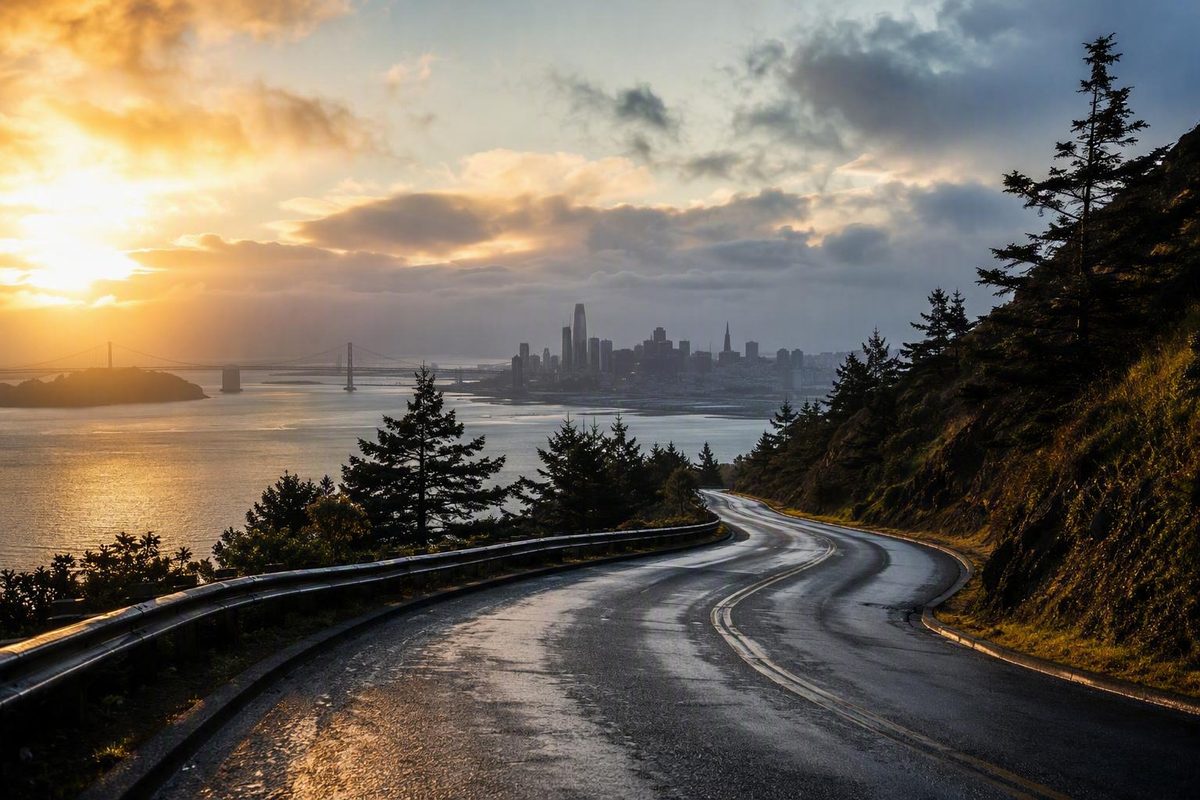
Searching for fun things to do in the San Francisco Bay Area can produce a deceptively simple bucket list. In practice, the region stretches from dense San Francisco neighborhoods to East Bay waterfronts, Marin redwoods, Peninsula beaches, South Bay markets, and Wine Country.
A better plan starts with geography. Choose one region, identify one primary experience, and add only nearby stops. That leaves room for hills, fog, meals, queues, traffic, transit delays, and reservation requirements. Attractions that appear repeatedly across travel guides are generally popular, but repetition does not make any one choice objectively superior.
The 35 ideas below cover San Francisco and the wider Bay Area. Use them as building blocks for a half-day, full day, or weekend rather than as a checklist for one trip.
Evidence reviewed August 30, 2026. Hours, access, reservations, transit, events, and admission conditions can change; confirm operational details with the relevant official venue, park, or transportation provider.
Start Here: Choose the Right Part of the Bay Area
San Francisco works well for recognizable landmarks, neighborhood food, museums, parks, and several experiences within a relatively compact area. The East Bay offers markets, food districts, museums, waterfront history, and hill trails. The North Bay is better suited to redwoods, mountain scenery, Point Reyes, waterfront towns, and wine-oriented outings.
South of San Francisco, the Peninsula combines gardens, aviation and local-history museums, marine reserves, beaches, and Half Moon Bay. The South Bay is more dispersed, with San Jose markets, gardens, active outings, and technology-oriented destinations. California’s regional overview similarly distinguishes San Francisco, Marin, the East Bay, Wine Country, the Peninsula, and San Jose or Silicon Valley as separate travel areas rather than treating the entire Bay Area as another name for San Francisco (Visit California’s Bay Area overview).
| Region | Representative activities | Transit or driving? | Honest scope |
|---|---|---|---|
| San Francisco | Bridge views, waterfront, Alcatraz, neighborhoods, museums, parks | Walking and transit are often practical; a car can create parking complications | One compact cluster can occupy much of a half-day; two nearby anchors can shape a full day |
| East Bay | Oakland food and markets, museums, Alameda ferry outing, Richmond history, Berkeley trails | BART and ferries help with selected destinations; driving may simplify dispersed outdoor plans | Choose one neighborhood for a shorter outing or one city and a nearby companion stop for a longer day |
| North Bay | Muir Woods, Mount Tamalpais, Point Reyes, Sausalito, Tiburon, wineries | A car is generally more useful outside ferry-served waterfront towns | A waterfront town can suit a shorter visit; redwoods, Point Reyes, and Wine Country need more time |
| Peninsula | Filoli, aviation and history museums, gardens, marine reserves, coast | Rail can help with some bayside cities; coastal and garden combinations are often easier by car | Choose one substantial museum or garden, or devote a longer outing to the coast |
| South Bay | San Jose market, gardens, technology-oriented stops, padel or pickleball | Transit serves some urban centers, but attractions are spread out | Build around one central cluster or two genuinely nearby activities |
The central planning rule is simple: select one geographic cluster per day. Crossing the bay can be part of the experience when the day is intentionally organized around a ferry or rail journey. Otherwise, switching regions can consume time that looked available on a map.
Yosemite and Lake Tahoe do not belong in this core list. They require separate excursion planning rather than functioning as routine additions to a Bay Area sightseeing day.
Classic San Francisco: Bridge, Presidio, Alcatraz, and the Waterfront
First-time visitors often face a choice between two major clusters: the Golden Gate and Presidio area, or the northeastern waterfront and Alcatraz. Covering both thoroughly in one day can result in more transfers and queues than sightseeing.
The Golden Gate and Presidio cluster
1. Choose a Golden Gate Bridge viewpoint. Battery Spencer, Baker Beach, Battery East, Fort Point, Hawk Hill, and Presidio Tunnel Tops provide different settings and angles. Fog can obscure the bridge, while Battery Spencer may involve a steep approach and limited parking. Treat any specific view as weather-dependent rather than guaranteed.
Do not try to collect every viewpoint. Choose one that fits the rest of the route:
- Fort Point or Battery East for Crissy Field and the Presidio
- Baker Beach for a western San Francisco continuation
- Battery Spencer or Hawk Hill when the route already enters Marin
- Tunnel Tops for park space and a transition into the Presidio
2. Walk or bike part of the Golden Gate Bridge. The crossing can be an experience in its own right, but it does not have to be an all-or-nothing undertaking. Walk until you have the perspective you want and turn back, or incorporate the bridge into an intentional cycling route. Check the bridge’s current path access, bicycle rules, closures, and operating conditions before leaving.
3. Combine Fort Point, Crissy Field, and Presidio Tunnel Tops. Think of these as nearby choices, not mandatory stops in a rigid sequence. Fort Point adds a historic setting beneath the bridge, Crissy Field provides an open waterfront route, and Tunnel Tops offers park space before further Presidio exploration. The appropriate combination depends on weather, walking distance, mobility needs, and how long you spend at the viewpoint.
The Embarcadero and Alcatraz cluster
4. Walk a section of the waterfront. Begin around the Ferry Building and follow the Embarcadero north toward Pier 33 and Pier 39. The route can include food, bay views, public spaces, and museums, but it is not necessary to walk the entire waterfront. Pier 33 is associated with Alcatraz departures, while Pier 39 offers a possible sea-lion stop when the animals are present.
5. Make Alcatraz the main event. Do not add it casually to an already crowded landmark schedule. An Atlas Obscura listing gives a duration of approximately three to five and a half hours for one Alcatraz ticket-and-ferry experience, illustrating how much of the day the island can consume (Atlas Obscura’s San Francisco guide).
A separate San Francisco planning guide recommends allowing at least half a day for Alcatraz. Ferry procedures, ticket type, touring pace, and waiting time can all affect the total commitment (Inked with Wanderlust’s one-day planning guide).
If tickets are unavailable, retain the waterfront route and substitute a museum, bay cruise, longer meal, or nearby neighborhood. Avoid choosing an unrelated package simply because it includes the island; confirm what the ticket covers and where it departs.
6. Ride a cable car for the experience. Cable cars can provide transportation, but their appeal also lies in the ride itself. They may not be the quickest way to reach the next stop when queues are long. Check current routes, fares, service notices, and payment requirements with the operator.
Use this decision rule:
- Choose Golden Gate plus Presidio for scenery, parks, and a bridge-focused outing.
- Choose waterfront plus Alcatraz for maritime history and ferry travel.
- Split the clusters across separate days when both are priorities.
Neighborhood Days: Chinatown, North Beach, the Mission, Castro, and Golden Gate Park
San Francisco rewards neighborhood planning because food, shops, parks, and cultural stops can be combined without repeated cross-city journeys. It is walkable in sections, not uniformly effortless. Hills, wind, fog, distance, and individual mobility needs can make a route more demanding than the street grid suggests.
Chinatown and North Beach
7. Walk Chinatown from Dragon’s Gate or Grant Avenue. Use the neighborhood as a flexible food-and-shopping route rather than a single attraction. Possible stops include dim sum, a bakery, and the Golden Gate Fortune Cookie Company. Select several possibilities instead of making the day depend on one business being open.
8. Continue into North Beach. City Lights Books, Washington Square Park, neighborhood cafes, and Italian food stops form a natural extension. Chinatown and North Beach are close enough to combine on foot, although surrounding hills still affect the effort required. Coveteur’s neighborhood guide groups Grant Avenue, dim sum, City Lights, Washington Square, cafes, restaurants, and bars into the same cultural and food outing (Coveteur’s San Francisco neighborhood guide).
A relaxed version might include one browsing stop, one food stop, and time in Washington Square. Add Coit Tower or the waterfront only if conditions, energy, and daylight support the extension.
The Mission and Castro
9. Build a Mission Dolores Park and Valencia Street outing. Start with the park if the weather is inviting, then use Valencia Street for independent shopping, restaurants, and cafes. This works better as an unhurried neighborhood plan than as a quick photo stop between distant landmarks.
10. Continue toward the Castro for film, food, or nightlife. The Castro Theatre can anchor the outing when its current programming aligns with your visit. Restaurants and cocktail bars can extend the route into the evening. Confirm the performance schedule, ticketing, age requirements, and venue access rather than assuming a screening or event is running.
Western San Francisco
11. Let Golden Gate Park anchor the day. The park can support gardens, museums, open spaces, and long walks without requiring another major city crossing. Choose one paid or time-intensive attraction, then leave room to explore outside.
12. Add the 16th Avenue tiled steps. The staircase is a distinctive artistic stop for a western neighborhood route. Because it involves steps, it will not fit every visitor’s mobility needs. It pairs more logically with Golden Gate Park than with the Embarcadero or North Beach.
13. Continue to Ocean Beach, Sutro Baths, or Lands End. These coastal extensions are exposed to changing weather. Ocean Beach suits a shoreline pause, Sutro Baths adds atmospheric ruins, and Lands End offers a longer outdoor component. Select one or two based on daylight and current conditions rather than trying to include all three.
Haight-Ashbury
14. Browse Haight-Ashbury’s vintage and record shops. The neighborhood’s music-history associations, shops, cafes, and unusual stops appeal most to travelers interested in counterculture, fashion, or records. Other visitors may prefer to spend that time in the Mission or North Beach. Haight-Ashbury is a matter of preference, not an essential requirement.
It can be paired with the eastern side of Golden Gate Park. Leave enough flexibility to browse without building the day around exact business hours.
Unusual and Less-Standard San Francisco Stops
San Francisco’s less-standard attractions range from public viewpoints and stairways to small businesses and ticketed venues. Public spaces may face temporary restrictions, while businesses are more likely to change hours, admission policies, or operating status.
15. Listen to the Wave Organ. This Marina-area sculpture uses moving water to produce sound. Like Where You’re Going reports that its effect is stronger around high tide, although visitors should expect something subtle rather than theatrical (Like Where You’re Going’s first-time visitor guide). Pair it with the Marina, Crissy Field, or the Presidio instead of making a separate cross-city journey.
16. Visit a tiled stairway. The 16th Avenue steps are the most geographically convenient choice for a Golden Gate Park day. Treat the climb, surrounding residential streets, and return route as part of the stop.
17. Check access to the Seward Street Slides. Atlas Obscura advises visitors to bring cardboard for the concrete slides, but that recommendation is not a substitute for current rules. Confirm whether the slides are open and what is presently permitted before making a detour.
18. Look through Peephole Cinema. This tiny alley cinema, described as showing short silent films through a peephole, fits more naturally as a quick curiosity within a neighborhood outing than as the day’s main destination. Verify its current status before traveling specifically for it.
19. Choose a hilltop alternative. Tank Hill, Corona Heights, and Bernal Heights offer different neighborhood perspectives. Terrain, wind, conditions, and access vary, so select the hill that fits your existing route rather than assuming one is universally preferable.
20. Explore the Sutro Baths ruins with Lands End. The ruins make geographic sense as part of a western coastal outing. Allow additional time if you plan to continue onto nearby trails, and check current closures and weather before departure.
For any viewpoint-heavy itinerary, keep a different type of activity nearby. If fog removes the view, switch to a bookstore, museum, theater, food crawl, or shop-lined neighborhood instead of traveling from overlook to overlook in search of clear skies.
East Bay: Oakland, Alameda, Berkeley, and Richmond
The East Bay deserves more than a token add-on after San Francisco. Ferries, museums, markets, waterfront history, food districts, and parks can support several independent outings.
Alameda by ferry
21. Make the ferry part of an Alameda day. An Alameda outing can combine bay travel, the waterfront, downtown food, the USS Hornet, an arcade, and ice cream. Sidewalk Safari’s 2026 regional guide groups the ferry, downtown Alameda, waterfront, USS Hornet, High Scores Arcade, and an ice-cream stop into one itinerary idea (Sidewalk Safari’s Bay Area activity guide).
The USS Hornet can be the primary attraction, with food or downtown browsing as the secondary stop. Alternatively, skip the museum and make the day about the ferry and town. Check ferry service, the final return departure, museum admission, and current business hours before leaving.
Oakland food, culture, and markets
22. Explore the Grand Lake area. Build a self-guided outing around the neighborhood market when operating, the Grand Lake Theatre, specialty food shops, and restaurants. This cluster can support a food-and-shopping visit or an evening organized around a meal and film.
Grand Lake is also suitable for improvisation. If a market, screening, or shop does not fit the day, substitute another nearby option instead of crossing Oakland for a replacement.
23. Attend Friday Nights at OMCA when scheduled. A dated 2026 listing described the outdoor activities and entertainment as free while stating that gallery admission was separate. That distinction is important: a “free event” does not necessarily include unrestricted museum entry. Confirm the current program, admission boundaries, ticket requirements, and weather policy with the Oakland Museum of California (Funcheap’s dated Bay Area listings).
24. Visit Fruitvale Public Market. The 2026 Sidewalk Safari guide describes it as a food, arts, crafts, and small-business stop adjacent to Fruitvale BART. Vendor mix, operating status, and rail service can change, so use that description to shape the outing rather than as a guarantee of what will be available.
Richmond’s waterfront history
25. Pair the Rosie the Riveter Memorial with the S.S. Red Oak Victory. Together, they create a focused history outing rather than two disconnected stops. Sidewalk Safari reported that the National Park Service offered a free informational tour at the memorial on Saturday afternoons, but that schedule and cost condition are dated and require confirmation with the site.
Because a historic ship may operate within limited windows, check the S.S. Red Oak Victory first. Shape the rest of the day around the access that is actually available.
Berkeley outdoors
26. Use Tilden Regional Park as an outdoor alternative. Tilden is an option for visitors who want East Bay hills and open space instead of another urban neighborhood. Choose a current trail or facility using the park operator’s information, then review parking, closures, terrain, and accessibility for that specific plan. Do not assume every trail or activity fits every visitor.
North Bay: Redwoods, Mountain Views, Point Reyes, and Waterfront Towns
North Bay outings are generally more sensitive to driving, weather, reservations, and return logistics than central San Francisco plans. Choose one primary destination and resist adding a full city itinerary on the same day.
27. Plan a Muir Woods redwood outing. Muir Woods is a major redwood option north of San Francisco. A firsthand travel account reports that advance parking reservations were required for its visit; use the National Park Service—not the travel account—for current parking, shuttle, fee, operating, and alert information (Melsquare’s Muir Woods travel video).
Transportation, entry procedures, and walking can make Muir Woods a substantial outing. Choose the route according to current conditions and your group’s needs rather than relying on a generic description such as “easy.”
28. Add a short Mount Tamalpais viewpoint only when practical. Muir Woods and Mount Tam can form a coherent nature day, but the combination depends on reservation timing, weather, route choice, parking, and daylight. Treat the mountain as an optional extension that can be removed without spoiling the day.
29. Give Point Reyes its own day. Point Reyes is a broad outdoor destination, not a single roadside attraction. The Cypress Tree Tunnel can be one stop, but it should not displace the larger purpose of the trip, whether that is a coastal walk, scenic driving, or wildlife-oriented sightseeing.
Before departure, review current park access, road and trail closures, weather, wildfire information, and the return route. Avoid relying on a fixed drive-time estimate because traffic and the exact destination within Point Reyes both matter.
30. Choose Sausalito or Tiburon for a slower waterfront day. These towns suit visitors who prefer strolling, food, and bay views over hiking. A town-focused day also offers more flexibility than a reservation-dependent redwood plan.
31. Treat Napa or Sonoma as a separate wine-oriented outing. Wine Country is part of the wider North Bay travel landscape, but it is not a quick extension to a full San Francisco sightseeing day. Choose a limited number of destinations, check whether reservations are needed, decide how the group will travel, and account for the return journey.
Peninsula and South Bay: Gardens, Aviation, Coast, Markets, and Active Outings
Pair no more than two nearby anchors unless current routing shows that a larger plan is reasonable.
Peninsula museums, gardens, and architecture
32. Choose one Peninsula cultural anchor. Options include:
- Filoli for a house-and-garden visit
- Hiller Aviation Museum for aviation exhibits
- San Mateo County History Museum for local history
- The Japanese Tea Garden in San Mateo’s Central Park for a smaller garden stop
- Pulgas Water Temple for architecture and a shorter outdoor visit
The Peninsula tourism guide includes Filoli, Hiller Aviation Museum, San Mateo County History Museum, Fitzgerald Marine Reserve, and San Mateo’s Japanese Tea Garden among the region’s attractions (San Francisco Peninsula activity guide).
Filoli or a museum can serve as the day’s primary attraction. Pulgas Water Temple or the San Mateo garden may work better as secondary stops when they are open and geographically sensible. Check each venue’s official information for hours, admission, parking, reservations, and event closures.
Half Moon Bay and the coast
33. Build a coast day around one or two conditions-dependent activities. Possibilities include a beach, coastal walk, Fitzgerald Marine Reserve, lighthouse visit, surfing-related sightseeing, or whale-watching trip. Weather, ocean conditions, tides, seasonal operations, and access rules can substantially change the experience.
Mavericks is known as a big-wave surf location, but large waves or an organized event will not necessarily coincide with a visit. Follow current access restrictions and official viewing guidance. Pigeon Point Lighthouse can be considered as a coastal extension when its operating status and location fit the route.
Avoid combining a distant Peninsula museum, an extended coast drive, and a South Bay evening simply because all three appear south of San Francisco. They are not necessarily close to one another in practical travel terms.
Gardens and southern extensions
34. Consider Hakone Estate and Gardens or Roaring Camp Railroads. Hakone in Saratoga offers a garden-centered South Bay outing. The same distinction applies to Capitola.
Confirm garden hours, train schedules, ticketing, and geographic fit before departure. These options make more sense as primary attractions than as spontaneous additions to an already full day.
San Jose and active South Bay options
35. Combine San Pedro Square Market with an active outing. San Pedro Square Market provides a food-centered San Jose anchor. A regional comparison names San Pedro Square Market and Bay Padel Sunnyvale while characterizing the South Bay as more spread out than San Francisco (Tribe Chat’s regional comparison).
Technology-oriented museums and exhibits can provide another South Bay category, but the available evidence here does not establish a specific current exhibition or operating venue. Research that category for the exact date rather than assuming a particular destination is open.
Choose by Budget, Weather, Time, and Transportation
The right activity is not simply the one that sounds most exciting. It must also fit the available time, weather, transportation, mobility needs, and appetite for advance planning.
| Region or cluster | Typical time block | Cost character | Setting | Car usefulness | Weather sensitivity | Advance planning |
|---|---|---|---|---|---|---|
| SF neighborhood | Shorter outing to most of a day | Varies with food, shopping, and ticketed stops | Mixed | Usually low | Low to moderate | Usually limited |
| Golden Gate and Presidio | Substantial part of a day | Public spaces plus possible transport, rental, or parking costs | Mostly outdoor | Mixed | High | Access and transport checks are useful |
| Waterfront and Alcatraz | Substantial part of a day or longer | Waterfront costs vary; Alcatraz is ticketed | Mixed | Usually low | Moderate | High for Alcatraz |
| East Bay market or museum | Shorter outing to most of a day | Free-admission conditions or paid entry may apply | Mixed | Mixed | Low to moderate | Check events and museum access |
| Muir Woods or Point Reyes | Longer regional outing | Fees, reservations, transit, or parking may apply | Outdoor | Often useful | High | High |
| Peninsula museum or garden | Shorter outing to most of a day | Admission varies by venue | Mixed | Often useful | Low to moderate | Often useful |
| Half Moon Bay coast | Shorter outing to a full coast day | Outdoor access and transport costs vary | Outdoor | Often useful | Very high | Conditions and access checks are important |
| Wine Country | Longer regional outing | Commonly involves paid experiences | Mixed | Useful, depending on the transportation plan | Moderate | Reservations may be needed |
What “free” really means
Parks, viewpoints, neighborhood walks, public art, sea-lion viewing, markets, concerts, and volunteering may have no admission charge. Transportation, parking, booking requirements, purchases, residency rules, or admission to associated galleries and exhibitions can still apply.
Dated 2026 listings illustrate the distinction. Funcheap listed restricted free periods and resident admission conditions for San Francisco’s Japanese Tea Garden, while its Friday Nights at OMCA listing separated free outdoor programming from gallery admission. Neither listing should be treated as a permanent policy; confirm the current terms with the relevant venue (Funcheap’s event and admission listings).
Indoor backups for fog or rain
Keep one indoor alternative near the original cluster:
- Embarcadero: Exploratorium or a longer Ferry Building food stop
- Downtown or SoMa: SFMOMA
- Golden Gate Park: de Young or another current museum or garden program
- Western San Francisco: Legion of Honor
- Neighborhood day: bookstore, cafe, food crawl, theater, or comedy
- East Bay: OMCA or another museum with verified hours
Do not build the backup around an old ticket price or past exhibition. Confirm what is open and whether timed admission is required.
Events are not evergreen attractions
Concerts, comedy, theater, night markets, outdoor movies, museum programs, and volunteering opportunities can add local character to a trip. They are also date-sensitive. Event-discovery calendars can provide ideas across San Francisco, the East Bay, North Bay, and South Bay, but listings may have separate age, RSVP, admission, or purchase conditions. DoTheBay, for example, divides listings by Bay Area subregion and activity type; verify any selected event with its organizer (DoTheBay event calendar).
Three realistic itinerary templates
Half-day neighborhood cluster
- Choose Chinatown and North Beach, the Mission and Castro, or western San Francisco.
- Select one park, cultural stop, or shopping street.
- Add one meal or bakery stop.
- Leave part of the schedule open for hills, queues, or an unexpected discovery.
Full San Francisco day
- Choose two nearby anchors, such as the Golden Gate Bridge and Presidio.
- Add a meal in the same general area.
- Include one optional stop that can be removed without undermining the day.
- Keep Alcatraz separate unless it is one of the primary anchors.
Regional day trip
- Choose one primary attraction: Muir Woods, Point Reyes, Filoli, USS Hornet, or a Half Moon Bay coast outing.
- Add one nearby secondary possibility, such as a Mount Tam viewpoint, Sausalito, a Peninsula garden, Alameda food stop, or coastal town.
- Check the return journey before leaving.
- Drop the secondary stop if weather, traffic, access, or reservation timing changes.
Walking, Muni, BART, Caltrain, and ferries can reduce parking needs for selected urban trips. A car may be more practical for redwoods, Point Reyes, coast roads, dispersed gardens, and Wine Country. Neither choice is universally superior. Compare the exact route, group size, mobility needs, final return service, parking restrictions, and conditions.
Before departure, verify:
- Official opening hours and last entry
- Timed tickets and reservation requirements
- Event dates, age limits, and organizer rules
- Transit schedules, service alerts, and final return departures
- Parking restrictions and road closures
- Trail, park, wildfire, and coastal access conditions
- Weather, fog, tides, surf, and wind where relevant
- Step-free routes, seating, restrooms, and other accessibility needs
- A nearby backup if the main attraction is closed, obscured by fog, or sold out
Frequently Asked Questions
What are the best free things to do in the San Francisco Bay Area?
There is no universal “best,” but strong no-admission possibilities include neighborhood walks, public parks, viewpoints, public stairways, markets, and selected waterfront stops. Pier 39 offers sea-lion viewing without a separate viewing admission, although transportation, parking, food, and other attractions can still cost money (Road Unraveled’s San Francisco guide).
Event calendars may also list concerts, outdoor programs, volunteering, or limited free-admission periods. Read the conditions carefully: an outdoor program may be free while an associated museum gallery remains ticketed, and residency or restricted-hour rules may apply elsewhere.
Can I explore San Francisco and the Bay Area without a car?
Much of San Francisco can be explored by combining walking with public transportation.
A car becomes more useful for Mount Tamalpais, Point Reyes, dispersed coastal stops, gardens not conveniently connected to rail, and Wine Country. Muir Woods requires a specific transportation and reservation plan. For a car-free regional day, build around one transit corridor and confirm the final return service rather than assuming frequent late connections.
How many days do I need for San Francisco and the wider Bay Area?
The answer depends more on selected clusters than on a universal minimum. A short visit can cover one or two San Francisco areas. Additional days create room for neighborhoods, museums, the waterfront, and a separate regional outing without compressing them into one schedule.
Alcatraz occupies a substantial block of time, while Muir Woods, Point Reyes, the Peninsula coast, and Wine Country work better as separate outings. Travelers with limited time should choose depth within one or two clusters rather than attempting broad regional coverage.
Which Bay Area attractions should I reserve in advance?
Prioritize advance checks for Alcatraz, Muir Woods transportation or parking arrangements, ticketed tours, timed museum entry, performances, train experiences, wine tastings, court sessions, and limited-capacity events.
A reservation is only one part of the plan. Also confirm the departure point, arrival deadline, cancellation terms, parking or transit connection, age restrictions, and any weather-related procedure.
What can I do if fog or rain disrupts an outdoor plan?
Stay within the same geographic cluster and change the activity type. Near the waterfront, consider the Exploratorium or a food-focused stop. Near Golden Gate Park, choose a museum. Downtown, consider SFMOMA, theater, or a cafe-and-bookstore route. In the East Bay, substitute a museum, market, cinema, or restaurant cluster.
If fog hides a bridge or hilltop view, avoid spending the day chasing clearer overlooks across the region. Save the viewpoint for another opportunity and use the time for neighborhoods, culture, food, or an indoor attraction.
The Bay Area becomes easier to enjoy when maximum coverage is not the goal. Choose one region and one primary experience, then add nearby stops only. A bridge-and-Presidio outing, East Bay market-and-museum day, North Bay redwood trip, or Peninsula coast plan will usually feel more coherent than a race between distant highlights. Shortly before leaving, confirm official hours, reservations, transportation, access conditions, and weather—and keep one nearby backup ready.