
Check Buds and Bark Before Deciding Tree Is Dead
One bare canopy, dead branch or brown scratch test does not prove the entire tree is dead. Check the whole-tree pattern safely before deciding.
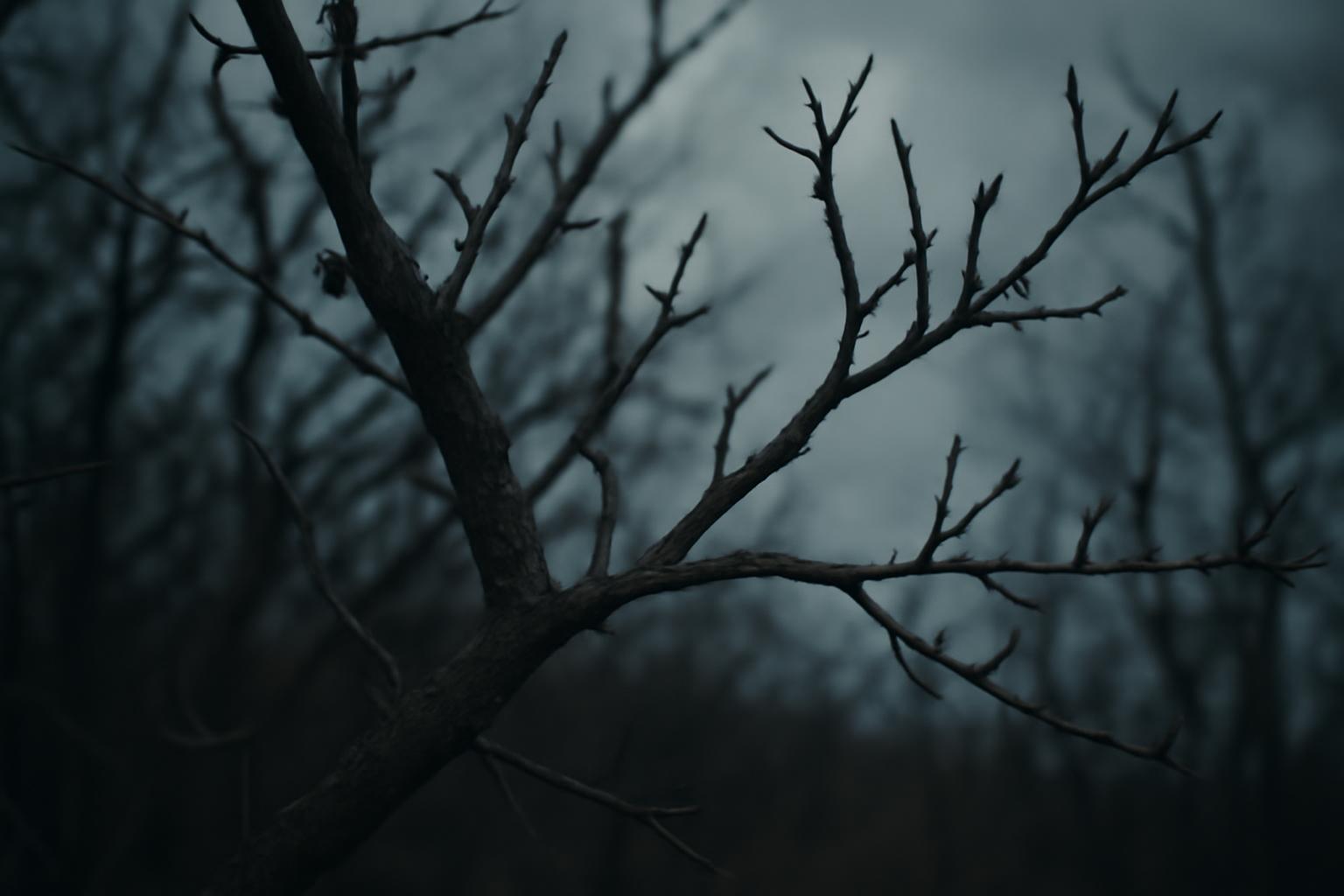
A tree is probably dead only when several signs agree across the whole tree: it produces no buds or new growth during its normal growing season, accessible small twigs are dry and brittle, and small bark checks in more than one area reveal dry brown tissue rather than moist living tissue. One bare canopy, one dead branch, or one brown scratch test does not prove the entire tree is dead.
Start with a ground-level visual check and the season. If the tree is leaning suddenly, partly uprooted, split, dropping limbs, touching utility lines, or threatening a road, building, vehicle, or person, stop the inspection. Keep people away and contact a qualified arborist, utility, emergency service, or road authority as appropriate.
Dead, dormant, and declining are different
Leaflessness can be normal. Deciduous trees shed their leaves and may look lifeless in winter; some species also leaf out later than nearby trees. The Royal Horticultural Society recommends allowing a plant that still has green tissue time to improve, sometimes until spring, rather than declaring it dead immediately.
Use this distinction:
| Condition | What you may see | What it means |
|---|---|---|
| Dormant | No leaves in the expected off-season, but buds are present; small twigs remain flexible; tissue beneath a tiny bark check is moist and green | The tree is conserving energy and is still alive |
| Declining or stressed | Sparse or undersized leaves, delayed growth, dead tips or branches, premature color, bark damage, or green tissue in only some areas | The tree is alive, but its health or structure needs attention |
| Likely dead | No growth when the species should be active; widespread brittle twigs; dry brown tissue in repeated checks; no green remaining in the crown | The evidence points to whole-tree death, but a professional should confirm before risky work |
The distinction matters because a living tree can have dead branches, and a dead-looking tree can still have living tissue lower down. The University of California Master Gardeners notes that a partly living inner bark can indicate either a recoverable injury or a tree in the process of dying. In other words, “not fully dead” does not automatically mean “healthy” or “safe.”
A safe, non-destructive five-step check
1. Check the calendar and compare like with like
Ask whether this species should have leaves or active buds now. Compare it with healthy trees of the same species in the same area, not with a different kind of tree. Weather, elevation, shade, drought, transplant stress, and late freezes can shift the timing.
If it is winter or early spring and there are no urgent hazards, waiting is often more informative than cutting. During the growing season, a tree that remains completely bare while comparable trees are fully active deserves closer attention.
2. Look at the entire crown from stable ground
Walk around the tree only where footing is safe. Look for:
- live buds, leaves, flowers, or fresh shoots anywhere in the crown;
- whether bare areas are limited to one branch or spread throughout the canopy;
- recently broken or hanging branches;
- major bark loss, open splits, cavities, or visible decay;
- a new lean, exposed roots, lifted soil, or cracks in the ground near the root plate.
Do not stand beneath suspect limbs, shake branches, strike the trunk, climb the tree, or use a ladder for a closer look. A visual inspection cannot reveal every internal defect.
3. Test only a small, reachable twig
Choose a thin twig you can reach from the ground without pulling on the tree. Bend it gently. Living twigs often flex; dead twigs tend to feel dry and snap cleanly. This is only a branch-level clue. One snapped twig may mean that branch is dead while the rest of the tree remains alive.
Check a few accessible twigs from different sides. Do not break large branches or cut into the trunk to “see what is inside.”
4. Make a tiny scratch check
On a small, accessible twig, gently remove only a tiny patch of the thin outer surface with a fingernail. Moist green tissue beneath indicates that section is alive; dry brown tissue suggests that section is dead. LSU AgCenter describes the scratch and gentle bend checks as useful together and cautions that lower tissue may remain viable even when top growth is not.
Repeat the tiny check on another reachable twig if the first is brown. Avoid knives when a fingernail will do, do not make a large wound, and do not scrape around the trunk. Removing bark around the circumference can seriously injure a living tree. If the only useful test point is high, large, storm-damaged, or beside traffic, leave it to a professional.
5. Combine the evidence
Treat the result as a pattern, not a single pass/fail test:
- Green tissue anywhere: that part is alive. The tree may be dormant, stressed, or partly dead rather than wholly dead.
- Brown tissue on one twig: test another safe, accessible area and inspect the crown.
- Brown, dry tissue in multiple areas plus no seasonal growth: the tree is likely dead.
- Mixed signs or structural defects: arrange an arborist assessment instead of guessing.
If the tree is small, newly planted, structurally stable, and still shows living tissue, monitor it through the appropriate growth period. Avoid improvised fertilizer or heavy pruning until the cause of stress is understood; extra intervention can compound root, water, or planting problems.
Signs that make the situation urgent
Whether a tree is biologically dead and whether it is likely to fail are related but separate questions. A living tree can be structurally unsafe, and a standing dead tree may remain in place for a time. Risk depends on the defect, the likelihood of failure, and what could be struck.
Keep clear and seek prompt professional help when you see:
- a new or rapidly increasing lean;
- roots lifting, soil mounding, or ground cracking on one side;
- a split trunk or a large, freshly broken or hanging limb;
- major dead branches over a home, parking area, path, playground, or road;
- extensive decay at the trunk base or a cavity combined with cracking or movement;
- recent storm damage, especially where branches or the trunk are under tension;
- any contact with or close proximity to utility lines.
The International Society of Arboriculture’s tree-risk guidance recommends moving movable targets, such as cars or outdoor furniture, away from a potential fall zone and having pruning, support, or removal decisions made by a qualified arborist. Do not attempt risky cutting, climbing, cabling, or storm cleanup yourself.
What to do about a suspect roadside tree
Do not inspect a roadside tree from a live lane or shoulder with poor visibility. Never park beneath it, walk into traffic, or approach hanging limbs to take photos. Continue to a safe stopping place before reporting the hazard.
Give the road authority or emergency dispatcher the road name, travel direction, nearest intersection or mile marker, and a concise description such as “large branch hanging over the right lane.” Use emergency services when a tree or limb is falling, blocking traffic, or creating an immediate danger; otherwise report it to the agency responsible for that road.
This is not merely a landscaping issue. The Federal Highway Administration explains that roadway agencies manage clear roadside areas so drivers who leave the traveled way have a better chance to recover safely, and it identifies trees as a central roadside-safety consideration. Let the responsible agency control traffic and decide how the tree should be assessed or removed.
When to call an arborist
Call a qualified arborist when the tree is large, the signs are mixed, decline affects much of the canopy, roots or trunk appear damaged, or anything valuable lies within falling distance. An arborist can distinguish health problems from structural risk and determine whether monitoring, pruning, treatment, or removal is appropriate.
For a tree with no target nearby and no structural warning signs, there may be time to confirm the diagnosis. For a tree over a house, road, vehicle, utility, or frequently used area, the consequence of being wrong is much greater. In that setting, a cautious professional assessment is the useful next step—not a more aggressive do-it-yourself test.
The short version: check the season, look for live buds and green tissue, test more than one small reachable twig, and judge the whole pattern. If gravity, traffic, height, cutting, or electricity enters the picture, stop testing and hand the problem to the appropriate professional or authority.