
How to Spend Less Without Making the Trip Harder
Compare complete trip scenarios for the same dates, not headline rates: a cheap vehicle may lose to a more expensive campervan if it requires costly lodging.
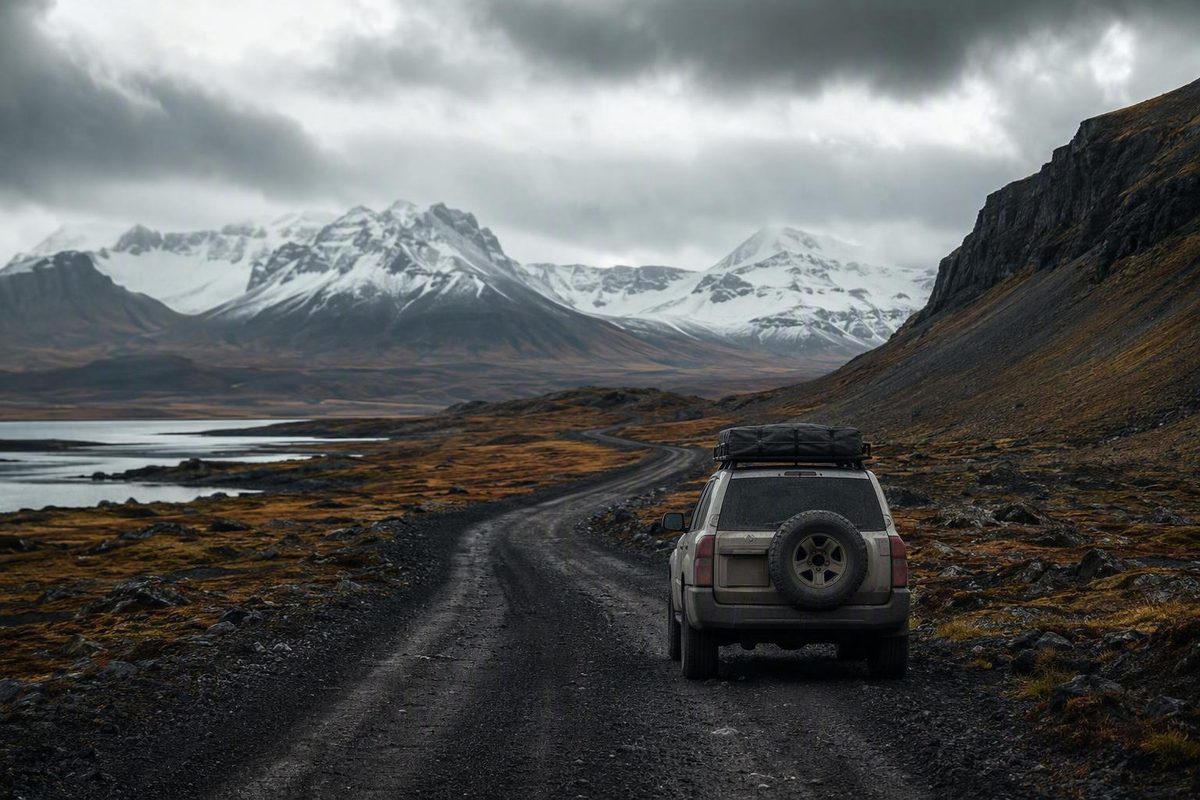
Visiting Iceland on a budget is less about finding one miraculous bargain than controlling the decisions that shape almost every other expense. Your dates affect lodging and vehicle rates. Your route determines fuel, parking, driving time, and overnight stops. Your party size determines whether fixed costs are divided or carried alone.
The most reliable approach is route-led and all-inclusive: choose a realistic itinerary, price every required component for the same dates, and compare complete trip scenarios rather than isolated headline rates. A cheap vehicle that requires costly lodging may lose to a more expensive campervan. A discounted winter room may offer poor value if limited daylight forces you to add days. A waterfall with no admission charge is not cost-free if reaching it requires an unnecessary cross-country detour.
This guide is designed for first-time visitors planning roughly five to ten days, especially solo travelers and couples. It favors compact routes, adequate food, suitable vehicles, designated overnight arrangements, and professional guidance where specialist access or safety demands it. Those are not luxuries to remove from a tight budget; they are part of a workable trip.
Reporting note: This is a desk-researched planning guide, not firsthand or local Iceland reporting. Published prices are included only as attributed examples, not market averages. Vehicle restrictions, road access, weather, campsite operation, fees, and rental terms can change, so confirm them with the relevant operator or official Icelandic service before relying on them.
Last reviewed: August 10, 2026.
Start With a Realistic Definition of a Budget Trip
There is no useful universal answer to “How much does Iceland cost per day?” The total changes materially with your origin, season, booking date, party size, route, vehicle, accommodation standard, food habits, and appetite for guided activities.
Even two trips of the same length can have little in common. A couple camping near Reykjavík and cooking groceries is not buying the same trip as a solo traveler renting an automatic car, staying in private rooms, and driving to southeast Iceland. Before comparing published totals, establish what each one includes.
Three planning levels help clarify the tradeoffs:
- Shoestring: Tent camping or very basic lodging, extensive self-catering, a compact route, and few paid activities.
- Frugal: Simple guesthouses or a carefully priced campervan, regular grocery meals, and one or two selected paid experiences.
- Comfortable: Private lodging, more restaurant meals, greater comfort and flexibility, and additional paid activities.
These are descriptions, not fixed price bands. They become useful only when attached to exact dates, routes, and assumptions.
Travel writer Dan Flying Solo estimated approximately $400, $675, and $880 per person for shoestring, frugal, and comfortable five-day May scenarios. The estimates assumed two people sharing, booking at least eight months ahead, and following specific itineraries; travel to Iceland was excluded or treated separately. They are illustrative scenarios, not guaranteed current prices or universal targets (review the assumptions behind the estimates).
All Things Iceland gives a much broader author estimate of roughly $1,300 to more than $4,000 for five days, depending on season and choices. The difference does not prove either estimate wrong. It shows why a total is meaningless until you know whether it covers flights, private lodging, a vehicle, insurance, fuel, food, parking, activities, and contingency money (review the broader five-day framework).
Personal trip reports require the same scrutiny. Kendyl Travels reported spending $3,984.76 for two people on a ten-day trip, including flights. The travelers used hotel points for their final two Reykjavík nights and said the redemptions saved more than $600, so the cash total understates the economic value of all the lodging consumed (read the itemized personal cost report).
For a fair comparison, maintain two totals:
- Cash-equivalent trip cost: The value of everything used, including rooms covered by points, promotional benefits, discounts, and complimentary experiences.
- Expected out-of-pocket cost: What you personally expect to pay after applying those benefits.
Then divide the budget into four groups:
- Paid before arrival: Flights, baggage, insurance, vehicle deposits, prepaid lodging, and reserved activities.
- Paid in Iceland: Fuel, groceries, parking, campsites, meals, and admission.
- Optional spending: Alcohol, premium spas, extra tours, upgrades, and souvenirs.
- Savings or subsidies: Points, credits, shared expenses, discounts, or complimentary bookings.
Keep the working budget in Icelandic króna, or ISK. Add a dated conversion into your home currency for planning, but do not treat an old dollar, pound, euro, or Canadian-dollar conversion as current. Retaining the ISK amount makes later comparisons clearer when exchange rates or quoted prices move.
Choose the Season by Total Value, Not the Cheapest Room
Summer is the high-demand choice. It generally provides long daylight, broad access, more campsite options, and greater itinerary flexibility, but accommodation and vehicle rates may also be higher. There is no credible universal percentage premium because the difference varies by dates, property, vehicle class, demand, and booking conditions.
For many budget-conscious first-time visitors, May or September can offer a useful compromise. Demand may be lower than at the summer peak, while daylight and access can be more practical than in deep winter. That does not make either month automatically cheap. Campsites may be closed, facilities reduced, tours unavailable, and opening hours shorter.
Several supplied travel sources recommend May or September as possible value periods rather than declaring a guaranteed cheapest month. One guide also reports that many registered campsites operate mainly from approximately mid-May to mid-September, reinforcing the need to check individual sites for exact dates (compare the reported seasonal tradeoffs).
Deep winter can produce lower advertised rates for airfare, rooms, or vehicles. Yet the lowest headline price is not necessarily the lowest total cost. Short daylight reduces sightseeing time, while difficult conditions, closures, delays, or changed reservations can create additional transport or lodging expenses.
The Dan Flying Solo example is instructive: the author’s December experience involved only around four to five hours of daylight and led to the conclusion that a longer trip might be necessary, offsetting much of the apparent accommodation saving. That is one traveler’s experience, but it illustrates why daylight belongs in the financial calculation.
Use this decision framework:
- Choose summer when maximum daylight, campsite choice, and broad route access matter more than obtaining the lowest advertised rate.
- Consider May or September when you can adapt the route, verify seasonal services individually, and accept less predictable conditions in exchange for potentially lower demand.
- Choose winter only when the route is genuinely winter-sized, the driver and vehicle suit the expected conditions, and the budget can absorb delays or replacement lodging.
Do not plan a winter itinerary by taking a summer route and compressing it into fewer daylight hours. Start with the usable day, build conservative driving legs, and leave room to stop early.
Campsite availability requires individual checking. Travel guides describe many sites as operating primarily from May or June through mid-September, but that is not a promise that a particular location will be open. Confirm the intended site, booking or arrival process, toilets, showers, electricity, cooking facilities, and any off-season restrictions for the exact night required.
The best-value season is ultimately the one in which the complete plan works. That includes daylight, lodging supply, road access, operating hours, clothing, vehicle suitability, and contingency—not merely the cheapest room returned by a search engine.
Build the Budget From Every Cost You Will Actually Pay
Start with a worksheet rather than an assumed daily allowance. Enter values in ISK where possible, record when each quote was obtained, and note whether it is refundable.
| Category | Items to price | Your estimate |
|---|---|---|
| International travel | Base fare, baggage, seats, insurance, departure-airport costs | ISK ___ |
| Airport transfer | Coach, public bus, rental pickup, taxi, or private transfer | ISK ___ |
| Lodging | Rooms, hostel beds, campsites, taxes, breakfast, points-funded stays | ISK ___ |
| Ground transportation | Rental, insurance, extra driver, fuel, fees, parking, tolls, ferries | ISK ___ |
| Food | Groceries, restaurants, coffee, alcohol, road-day purchases | ISK ___ |
| Activities | Free stops, pools, museums, guided experiences, equipment | ISK ___ |
| Route fees | Parking, distance charges, tunnels, ferries, other route-specific costs | ISK ___ |
| Contingency | Weather changes, revised lodging, vehicle problems, missed reservations | ISK ___ |
| Discretionary | Souvenirs, upgrades, premium dining, unplanned treats | ISK ___ |
| Total | ISK ___ |
International travel
Record the fare that actually allows you to travel, not the first price displayed in search results. Include:
- Base airfare
- Cabin and checked baggage
- Seat selection
- Travel insurance
- Transport to and from your home airport
- Keflavík Airport transfer
- Food during connections
- Any overnight stop created by the schedule
A historical personal budget listed a flight at 460 CAD before checked baggage and insurance raised the reported total to 654 CAD. Those figures are not current prices, but they show how a low base fare can misrepresent the final amount paid (see the historical airfare breakdown).
Vehicle expenses
For a rental car or campervan, include:
- Rental rate and taxes
- Insurance, deductibles, and exclusions
- Extra-driver fees
- Automatic-transmission premium, if applicable
- Fuel
- Parking
- Tolls or ferries on the route
- Cleaning charges
- Airport or location surcharges
- Mileage limits
- Any distance-based charge
- Deposit and payment-card requirements
A May 2026 commercial travel guide reports that Iceland introduced a kilometer-based vehicle charge in 2026 and says rental companies may pass it on in different ways. The supplied evidence does not include government documentation establishing a universal rate or billing method. Treat the charge as an item to verify, not a settled amount: ask the rental company for the current calculation, tax treatment, billing method, and estimated route-specific cost before booking (review the attributed discussion of the charge).
Camping and campervan expenses
The vehicle rate is only the starting point. Add:
- Campsite admission
- Applicable accommodation or tourist taxes
- Showers
- Electricity
- Bedding or sleeping-bag rental
- Cooking equipment
- Cooking gas
- Cleaning
- Towels
- Seasonal facility availability
Use designated campsites as the planning assumption for campervan nights. Do not build the budget around sleeping at attraction parking areas, trailheads, beaches, or roadside pullouts. Confirm current overnight rules with the campsite, land manager, municipality, and rental company as applicable.
If a site is unattended, determine how payment works. If its kitchen or shower block is unavailable outside the main season, calculate what substitute you will need instead of assuming summer facilities remain open.
Accommodation
Enter the full amount, including taxes and mandatory charges. Record whether breakfast, linens, parking, and kitchen access are included.
If points or credits cover a room, enter its cash-equivalent value in the full trip total and subtract the redemption in a separate “benefits applied” line. This prevents a points-supported case study from appearing directly comparable with an all-cash trip.
Food
Separate food into:
- Groceries
- Restaurant meals
- Coffee and snacks
- Alcohol
- Food bought during long driving days
This reveals where convenience spending enters the budget. Grocery shopping can reduce dependence on restaurants, but an overpacked driving day may still lead to several unplanned food stops.
Activities
Create three columns:
- Free sightseeing
- Lower-cost pools, museums, or community attractions
- Guided experiences requiring equipment, expertise, or controlled access
This protects the experience you care about most while making indiscriminate tour booking visible.
Finally, add contingency for changed lodging, road disruption, vehicle problems, missed reservations, and replacement transport. One author recommends retaining a few hundred dollars for unexpected problems, but that is a personal rule of thumb rather than a guaranteed adequate reserve. Your amount should reflect the season, route remoteness, cancellation terms, available credit, and likely cost of an extra room or altered journey.
Compare Transport Options on the Same Dates and Route
Party size is the first variable in any transport comparison. A solo traveler carries the full cost of a vehicle, insurance, fuel, and often a private room. Two people can divide those expenses. A larger group may divide them further, although it may also require a larger vehicle or multiple rooms.
Small rental car
A compact car can be economical for two or more people following a road-based itinerary. It also permits the use of kitchen-equipped guesthouses and offers a more conventional night’s sleep than a basic campervan.
The correct comparison is not simply “car rate versus campervan rate.” For a car, calculate:
Rental + insurance + extra drivers + fuel + vehicle fees + parking + lodging + airport transfers
A compact car may use less fuel than a larger campervan, but lodging reservations reduce flexibility and private rooms can be expensive on high-demand dates. Price the entire route before choosing.
Scheduled buses
Buses can work between some towns, particularly for travelers with simple point-to-point plans. They become harder to use when the intended attractions are dispersed along highways without convenient last-mile connections.
Before committing to a no-car trip, check:
- Exact seasonal timetables
- Required transfers
- Weekend and holiday service
- Luggage restrictions
- Distance from the stop to the accommodation
- Access from the route to each attraction
- The consequence of a missed connection
A bus fare may be lower than a rental rate, but it offers poor value if it cannot reach the places that define the itinerary.
Organized tours
For a solo traveler on a short Reykjavík-based visit, organized day tours can be a rational no-car solution. They remove the need to rent, insure, park, and fuel a vehicle, and they handle the day’s route.
Several tours can nevertheless exceed the cost of one shared rental car. Compare the combined price of every tour needed to reproduce the desired itinerary, not merely the first excursion. Check pickup location, meals, admission, cancellation rules, and whether the tour replaces or supplements airport transportation.
Campervan
A campervan is most likely to provide value when:
- Two travelers share it
- The season offers suitable campsite availability
- The route changes overnight location frequently
- The travelers cook regularly
- The trip is long enough for flexibility to matter
- Both travelers accept limited space and shared campsite facilities
Use this complete formula:
Campervan + insurance + extra drivers + fuel + vehicle fees + parking + campsites + taxes + bedding + showers + electricity + cooking gas + cleaning
A campervan does not automatically beat a car and guesthouses. A rental-company comparison itself lists campsite fees, fuel, insurance, showers, electricity, bedding, gas, cleaning, and extra drivers among the expenses that can reduce the apparent saving (review the commercial car-versus-camper checklist).
Consider the nonfinancial tradeoffs. A low-cost model may be manual, basic, uninsulated, unheated overnight, or prohibited from the intended roads. Sleeping, changing clothes, drying wet gear, and cooking all occur in a confined space. Toilets and showers may be in shared campsite buildings. Larger vehicles may also be more affected by crosswinds than small cars, according to the cited rental guide.
Collect current refundable quotes for identical dates, driver ages, transmission requirements, pickup locations, and insurance levels. Then compare totals—not marketing examples.
Airport transport
Airport transport belongs in every scenario. Compare current coach, taxi, private-transfer, and rental-pickup prices for the actual arrival time and party size.
A coach may make sense for one or two people, while a larger group may reach a different result. Also check whether a late arrival creates an overnight airport stay, after-hours vehicle fee, or private-transfer requirement.
Match the Vehicle to the Route Instead of Paying for Unneeded Capability
The least expensive suitable vehicle is usually better value than automatically upgrading to a 4WD. The important word is suitable.
Several supplied guides consider a small, fuel-efficient 2WD adequate for many paved first-trip routes in appropriate conditions, including common Golden Circle and South Coast itineraries. That guidance is always conditional on:
- Season
- Current weather
- Current road status
- Rental-contract restrictions
- Tire and vehicle specification
- Driver experience
- Exact roads used
A vehicle category does not guarantee that a journey is appropriate in current conditions. Check the route again on the day rather than relying on what another traveler drove at another time.
The supplied vehicle guides consistently describe F-roads as requiring a suitable or approved 4WD. A 4x4 badge alone does not establish permission: the rental agreement, road-specific restrictions, and current access conditions still control whether the vehicle may be used. Standard campervans may be prohibited, and even a 4x4 camper may not be approved for every F-road.
Use the following official services shortly before and during the trip:
- Check current road conditions and closures through Iceland’s road information service.
- Check forecasts and weather warnings through the Icelandic Meteorological Office.
- Review travel alerts and submit or consult safety information through SafeTravel Iceland.
These services provide current information, but they do not override the rental contract or establish that a particular driver, vehicle, or itinerary is suitable. Verify restrictions directly with the rental company.
Route length affects more than fuel. Additional kilometers can increase:
- Distance-based vehicle charges
- Parking exposure
- Overnight requirements
- Food bought on the road
- Driver fatigue
- Exposure to changing conditions
- The chance that a delay affects later reservations
All Things Iceland describes Reykjavík to Jökulsárlón as approximately five hours each way. That makes the lagoon a poor candidate for a casual bargain day trip from the capital: avoiding a southeastern overnight stay must be weighed against a very long return drive, daylight, weather, meals, and the time available at the destination.
The same principle applies to the Ring Road. A commercial vehicle guide describes the loop as roughly 1,330 kilometers and recommends at least 8–10 days, preferably 10–14, rather than compressing it into a rushed schedule. That is commercial guidance, not a universal minimum, but it illustrates the false economy of removing lodging nights while adding exhausting driving days (review the Ring Road guidance and vehicle restrictions).
A compact trip around Reykjavík, the Golden Circle, and the South Coast may therefore cost less—and provide more usable sightseeing time—than a hurried island loop. Choose the route first, identify the roads it genuinely requires, and then rent the least expensive vehicle that is permitted and appropriate for those roads and expected conditions.
If the affordable plan depends on a prohibited road, unsuitable vehicle, or implausibly long driving day, it is not affordable in practice.
Lower Lodging and Food Costs Without Relying on Wishful Pricing
Lodging and food offer substantial room for savings, but only when compared on a total-cost basis.
Compare sleeping options honestly
Tent camping can be a low-cost summer option for travelers who already own appropriate equipment and are comfortable using it in Icelandic conditions. Include airline baggage, equipment rental or purchase, campsite charges, taxes, showers, electricity, and seasonal opening dates. A cheap campsite does not help if the sleeping system requires costly last-minute upgrades.
Campervans combine a bed, transport, and basic cooking facilities. They can work well for a shared multi-night route but still require campsites and may involve compromises in warmth, space, drying gear, toilets, and showers.
Hostel beds can make sense for solo travelers, although two dorm beds do not necessarily cost less than a private room.
Guesthouses and private rooms may compete with hostels when shared by two people, particularly when booked early. Selected properties and personal trip reports are not market averages, so search across room categories rather than assuming the hostel filter must win.
Kitchen-equipped rooms may have a higher nightly price but a lower total trip cost if they replace several restaurant meals. An included breakfast can have the same effect, especially before a long driving day.
Search a short drive beyond major attractions, but add the extra fuel and time before assuming the room is cheaper overall. Limited daylight may also make an outlying property less practical. Rural lodging is not automatically cheaper, particularly near popular South Coast destinations.
Shop around an actual meal plan
Bónus, Krónan, and Nettó are repeatedly identified by supplied travel sources as lower-cost grocery options, but no chain is guaranteed to be cheapest for every product or location.
Buy core groceries in Reykjavík or another larger town before beginning a rural route, where selection may be more limited. Check the exact branch’s hours: one traveler reported reaching a Bónus location at 9 a.m. and discovering it did not open until 11 a.m., disrupting the planned shopping stop (read the grocery-planning account).
A practical road-trip meal pattern is:
- Simple breakfast at the accommodation or campsite
- Packed lunch
- Snacks and drinks already in the vehicle
- One planned hot meal
- A backup meal for delays or late arrival
Price a real basket for the dates, diet, party size, and cooking facilities. Include cooking oil, condiments, coffee, and storage bags if the accommodation does not provide them. A grocery plan based on ingredients you will not actually cook is not a saving.
Use potable tap water and carry a reusable bottle instead of routinely buying bottled water. This does not mean untreated water from rivers, streams, waterfalls, or other natural sources should be assumed safe.
Treat alcohol as discretionary. Buying at airport duty-free or abstaining may reduce spending, but check current allowances, prices, and import rules rather than relying on historical anecdotes.
The central rule is simple: choose lodging and food together. A slightly more expensive room with breakfast, a refrigerator, and a usable kitchen can cost less overall than the cheapest bed paired with three purchased meals.
Use Free Landscapes to Anchor a Compact, Affordable Route
A first Iceland trip does not need the full Ring Road to feel substantial. Reykjavík, the Golden Circle, and the South Coast create a compact corridor with numerous major landscapes and relatively little backtracking.
Many natural sights do not require an admission ticket, although parking and transportation can still cost money. “Free attraction” should therefore mean no admission—not zero trip cost.
A flexible seven-day outline
Day 1: Arrival and Reykjavík
Collect groceries, settle into the accommodation, and keep the first day light enough to absorb flight or baggage delays. Walk central Reykjavík or choose one modest city activity. A public geothermal pool or selected museum can substitute for a premium lagoon when the goal is relaxation or local culture rather than a branded experience.
Day 2: Golden Circle
Build the day around:
- Þingvellir National Park
- The Geysir geothermal area
- Gullfoss
Add other stops only if they fit the available daylight and do not turn the day into a race. Staying outside Reykjavík may reduce backtracking, but compare that room with the cost and inconvenience of changing accommodation.
Day 3: South Coast to Vík
Potential stops include:
- Seljalandsfoss
- Gljúfrabúi
- Skógafoss
- A designated public approach or viewpoint near Sólheimajökull
- Dyrhólaey
- Reynisfjara
These Golden Circle and South Coast stops appear in a published budget-oriented summer itinerary. The same guide explicitly warns that Icelandic glaciers are dangerous and unpredictable and should not be explored without professional guidance. Independent visitors should remain on designated public approaches or viewpoints and must not step onto the glacier as a cost-saving shortcut (review the itinerary and glacier warning).
Do not assume every stop is accessible in every condition. Parking, paths, closures, daylight, wind, and local restrictions must shape the day.
Day 4: Farther southeast—or a shorter local day
Continue east only if daylight, lodging, weather, and driving time support it. A southeastern destination should not be added merely because it appears close on a national map.
If conditions or budget argue against going farther, use the day for Vík-area sightseeing, shorter walks, or a selected guided activity.
Day 5: Return west with unhurried stops
Use the return leg for places skipped earlier rather than repeating an overpacked schedule. This reduces pressure to stop everywhere on the outbound day and creates flexibility when weather obscures a site.
Day 6: Weather buffer or selected activity
A buffer day is not wasted money. It protects the trip from depending on perfect conditions and can prevent one disruption from affecting every later reservation.
If the route has operated smoothly, use this day for one experience that provides meaningful access, specialist equipment, or safety value. Glacier hikes, ice caves, Silfra snorkeling, and similar activities belong in the guided category rather than being treated as opportunities to save through independent access.
Day 7: Departure
Return the vehicle with enough time for refueling, inspection, and airport transport. A rushed return can produce avoidable fuel, cleaning, transfer, or rebooking costs.
This outline is intentionally flexible and is not suitable unchanged for every season. Determine the eastern limit from daylight, current road conditions, forecast, lodging availability, and the driver’s realistic tolerance—not from a desire to collect the greatest number of map pins.
Run a Final Budget and Risk Check Before Booking
Once the route exists, calculate the trip in this order:
- Choose exact dates.
- Define the route and overnight locations.
- Estimate total distance and realistic daily driving time.
- Collect comparable transport quotes.
- Collect lodging or campsite quotes for the same route.
- Price the intended grocery and meal pattern.
- Add selected paid activities.
- Add parking, road, and vehicle fees.
- Add contingency.
- Calculate total and per-person cost.
For every quote, record:
- Taxes and mandatory charges
- Payment currency
- Cancellation deadline
- Refund conditions
- Insurance included and excluded
- Transmission
- Driver-age and license requirements
- Extra-driver charge
- Mileage allowance
- Distance-based fees
- Deposit and payment-card conditions
Calculate the total trip cost before dividing it. This keeps shared expenses visible. A couple may pay the same vehicle total as a solo traveler but half as much per person. Conversely, two hostel beds may eliminate the apparent advantage of dorm accommodation over a private room.
Create both a cash-equivalent total and an expected out-of-pocket total. If points cover a room, include the room’s value in the first figure and the actual cash paid in the second. Apply the same method to travel credits, promotional fares, and complimentary activities.
Then decide how much refundability is worth. A lower nonrefundable rate can increase financial exposure if weather or transport changes disrupt the itinerary. The decision is not simply “cheap versus expensive”; it is “lower price with more risk versus higher price with more flexibility.”
Run an avoidable-expense check:
- Are baggage fees included?
- Is the airport transfer priced?
- Are you paying for an unnecessary 4WD upgrade?
- Have you allowed enough time to drive within posted limits?
- Do you already own suitable waterproof layers?
- Can you refill a bottle from potable taps?
- Are lunches and road snacks planned?
- Have you capped alcohol and souvenirs?
- Is parking included?
- Are late pickup or cleaning charges possible?
- Does the vehicle quote explain its current distance-charge method?
Cards and contactless payments are reported as widely accepted, but do not assume universal acceptance. A historical traveler account reported using cards almost everywhere while noting that some remote or off-season campsites could require cash. A modest backup payment option can therefore be useful, especially where facilities are unattended.
Shortly before departure, recheck:
- Road access and closures
- Weather and warnings
- Campsite opening and facilities
- Parking charges
- Activity prices and meeting points
- Rental restrictions
- Applicable vehicle and distance fees
- Grocery opening hours
- Refund and change deadlines
The final go/no-go test is straightforward: if the trip works only by omitting insurance, contingency, designated overnight accommodation, adequate food, or realistic driving time, it is not yet a viable budget.
Frequently Asked Questions
How much should I budget for five days in Iceland?
There is no dependable universal five-day figure. Published examples vary sharply because they use different seasons, routes, lodging standards, transport assumptions, and inclusions.
Build your own total in ISK for exact dates. Separate international travel from in-country spending, include contingency, and calculate both the full trip cost and the per-person amount. Solo travelers should expect fixed vehicle and private-room costs to weigh more heavily per person.
Is May or September the cheapest time to visit Iceland?
Not necessarily. Both months may offer better total value than peak summer because demand can be lower while daylight and services remain more useful than in deep winter. Neither month is guaranteed to produce the lowest price for your dates.
Compare identical itineraries across several date windows. Include vehicle and room prices, daylight, campsite operation, activity schedules, road suitability, and cancellation terms—not merely airfare or the first lodging result.
Is a campervan cheaper than a rental car and guesthouses?
Sometimes. It is most likely to compete when two travelers share it, cook regularly, use campsites, and follow a multi-night route during a suitable season.
Compare all-in totals: car, insurance, fuel, fees, parking, and lodging against campervan, insurance, fuel, fees, campsites, bedding, showers, electricity, gas, and cleaning. Comfort, transmission, heating, campsite availability, and road restrictions also matter.
Do I need a 4WD for the Golden Circle, South Coast, or Ring Road?
Not automatically. A small 2WD may suit many paved Golden Circle, South Coast, and Ring Road itineraries in appropriate conditions, but the answer depends on season, weather, road status, rental terms, tires, and driver experience.
The supplied guides describe F-roads as requiring an approved or suitable 4WD. A 4x4 badge alone does not establish permission, and ordinary campervans may be barred. Check current conditions and obtain route-specific approval from the rental company.
Do I need to carry cash in Iceland?
Many travelers report relying mainly on cards and contactless payments, but universal acceptance should not be assumed. One personal account notes that remote or off-season campsites may sometimes require cash (see the traveler’s payment experience).
Carry more than one payment card when practical, confirm that the primary card meets the rental company’s deposit requirements, and keep a modest backup payment option for unattended or remote facilities.
The cheapest workable Iceland trip is not the one with the lowest advertised room or vehicle rate. It is the plan that keeps the route compact, prices transportation and lodging all-in, uses groceries and admission-free scenery strategically, preserves professional guidance where safety requires it, and leaves enough time and contingency money for changing conditions.
Compare current quotes for your exact dates. Before departure, recheck official road and weather information, SafeTravel guidance, campsite operation, rental terms, overnight arrangements, and all applicable vehicle and route fees.